Mahjong rewards deliberate practice: efficiency drills, reviewing your games, studying strong players and playing regularly with people slightly better than you.
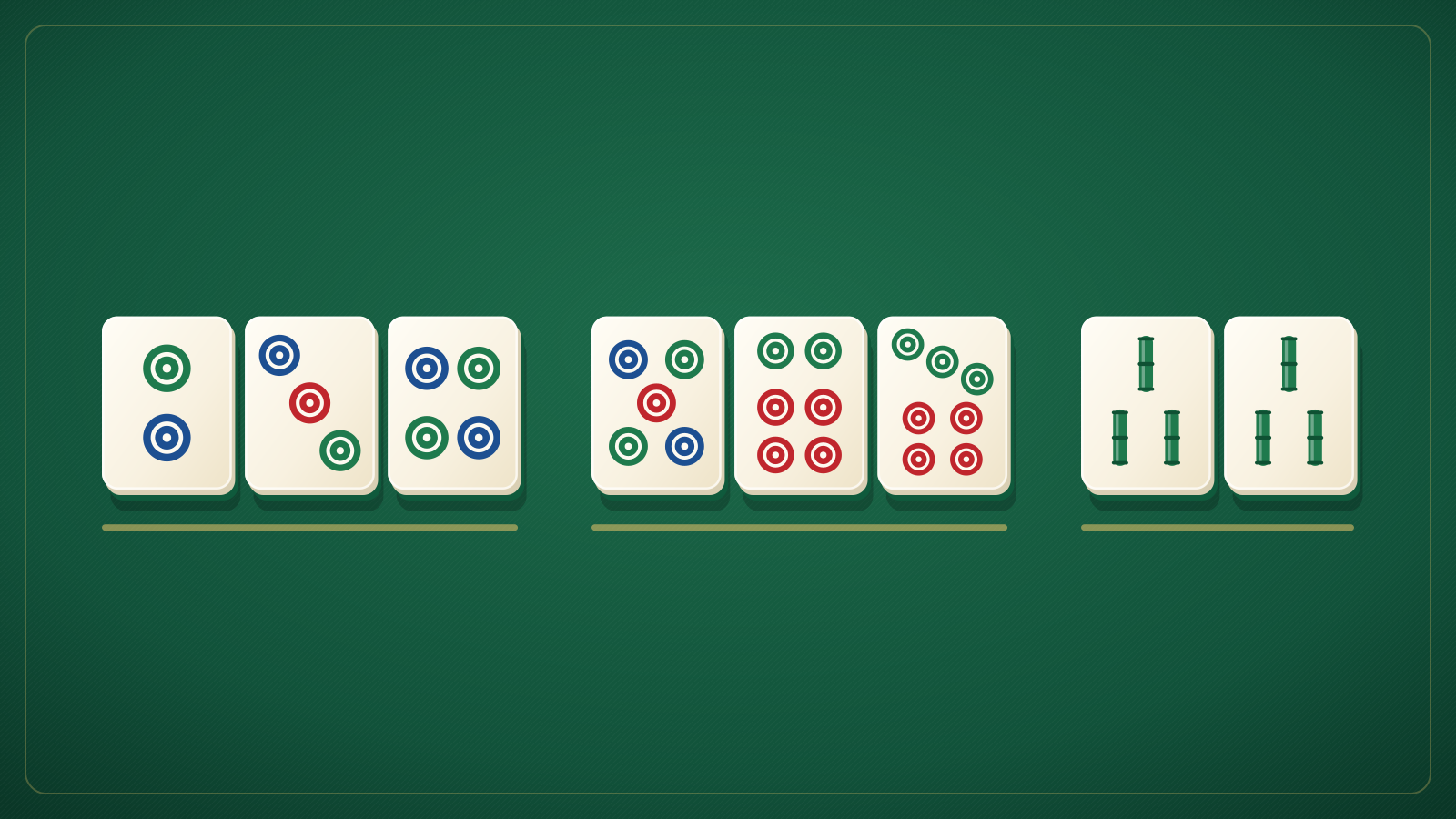
A heavenly hand is a dealer's opening fourteen tiles already forming a win; an earthly hand is a non-dealer winning on their very first draw or the dealer's first discard. Both are pure luck — and limit hands.
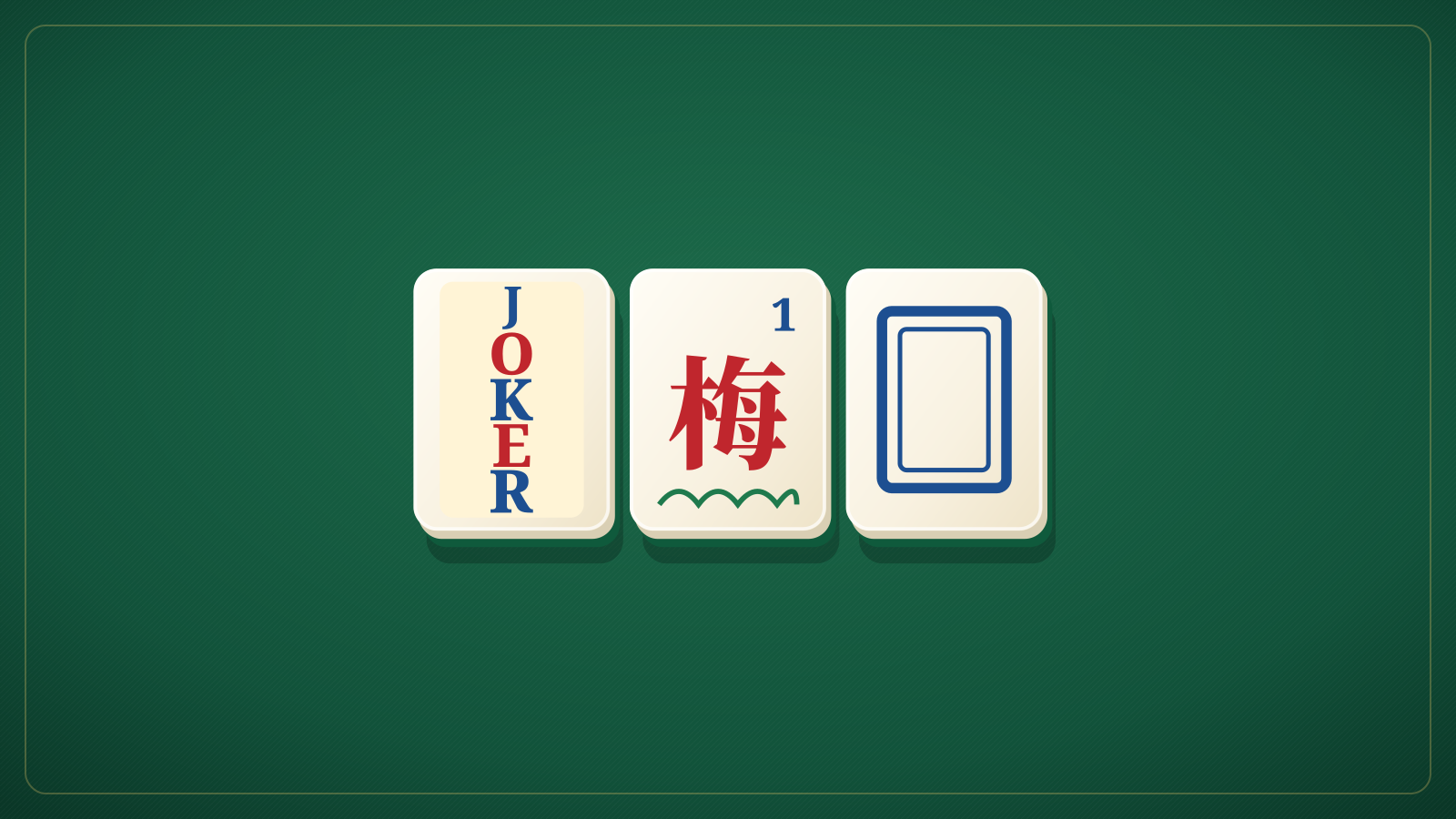
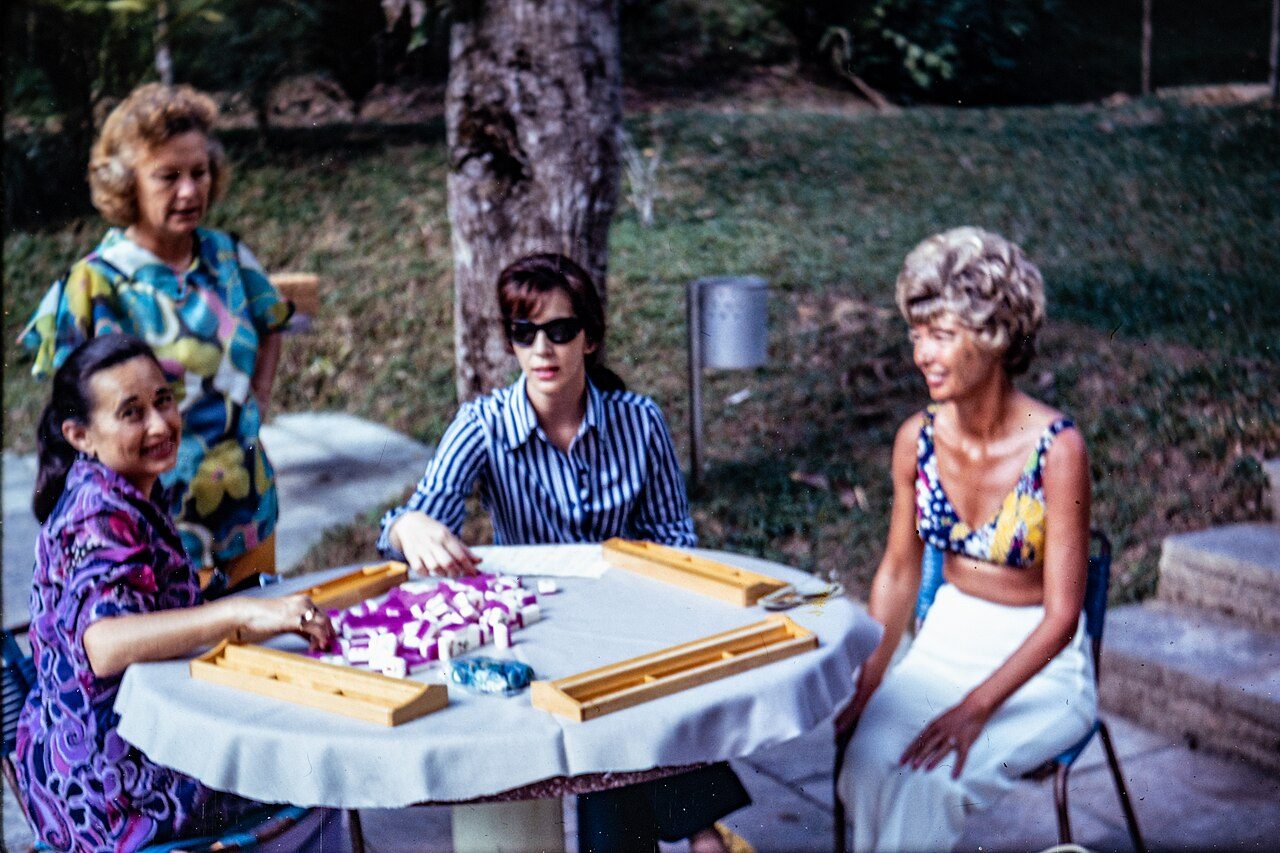
For generations of American Jewish women, the weekly mahjong game was a social anchor. The story of the National Mah Jongg League, card hands and "the girls" is a significant part of the game's history.
Good manners keep a mahjong table friendly and fair. From naming discards to not touching other players' tiles, here are the unwritten rules every new player should know.
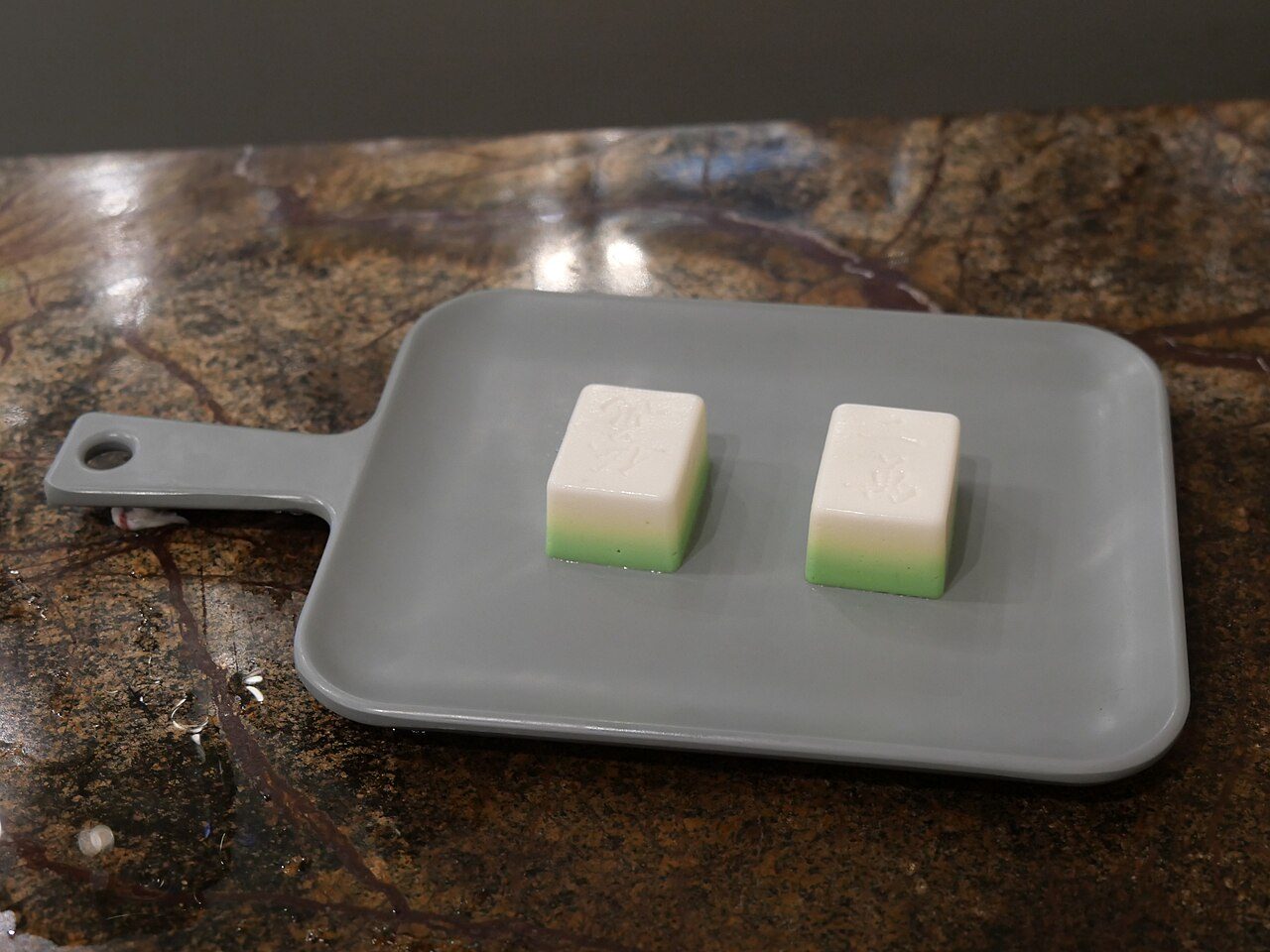
Long games need food. From Hong Kong mahjong dim sum to snacks that will not stain tiles, eating and mahjong have their own customs and practical rules.
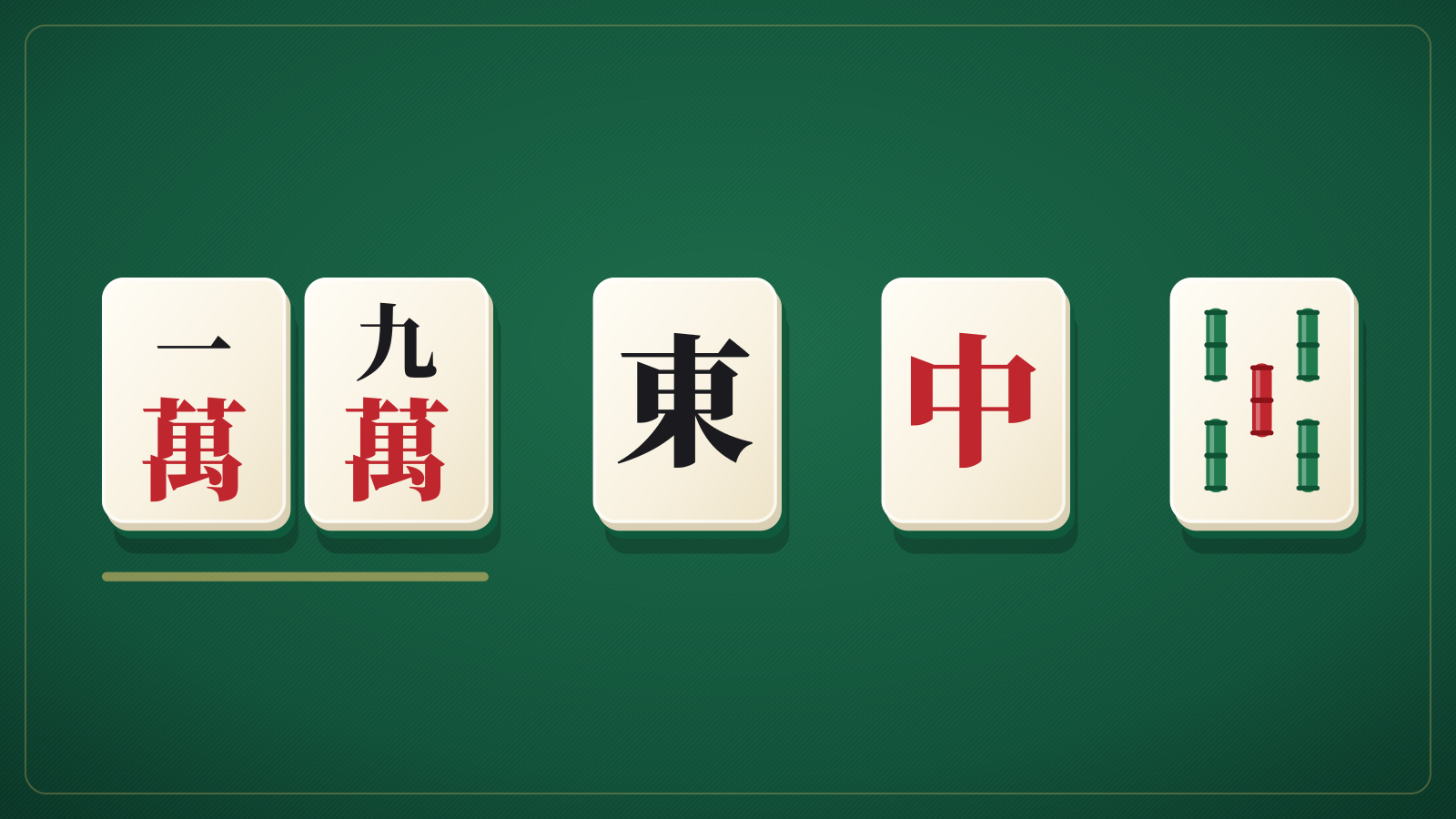
Most beginner errors fall into a few patterns: forgetting the pair, keeping isolated honours, calling too much, ignoring opponents, and miscounting tiles. Avoid these and you will improve quickly.
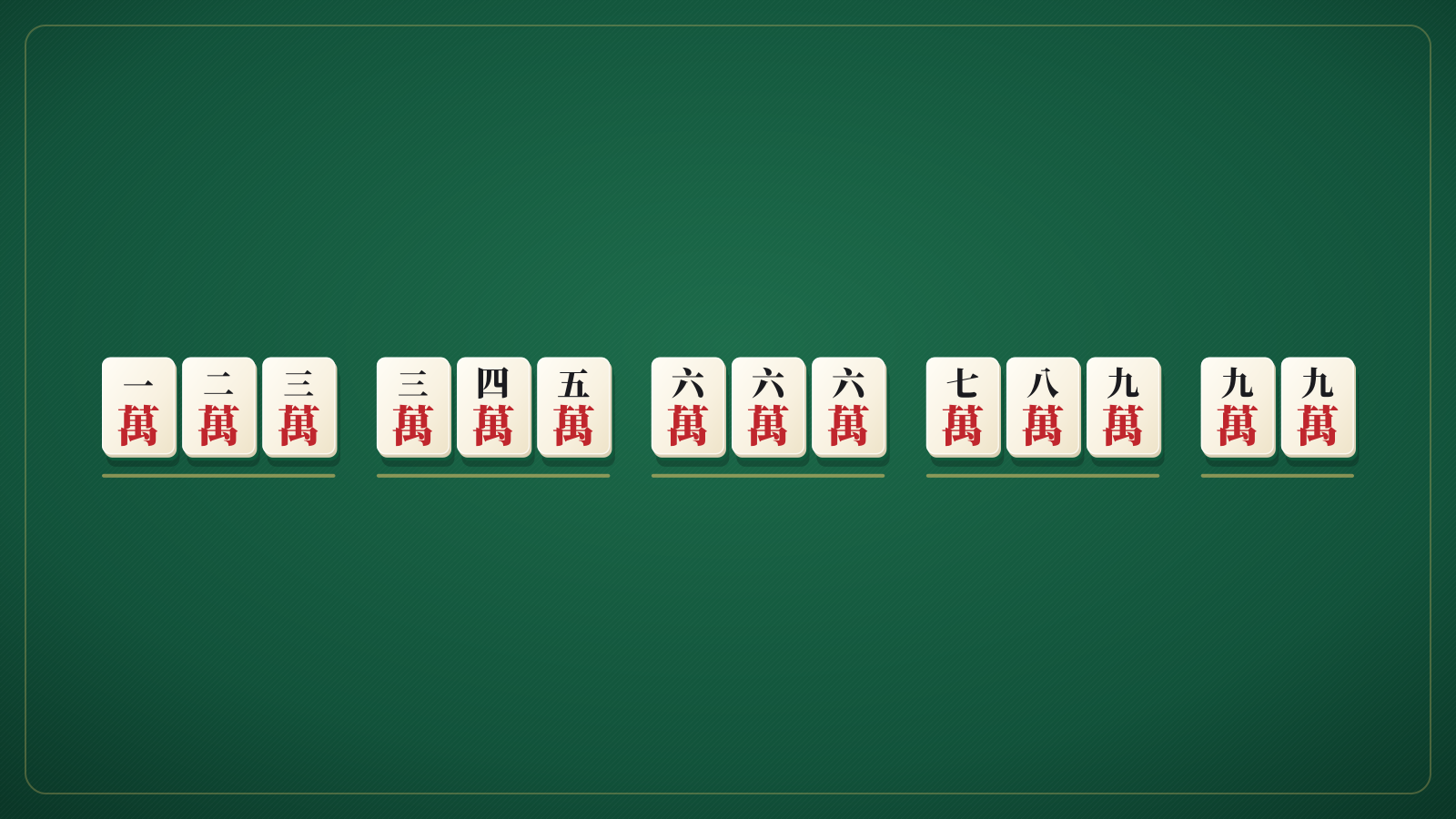
Flush hands — all tiles in one suit (pure) or one suit plus honours (mixed) — are among the most valuable common hands in every Chinese and Japanese style.
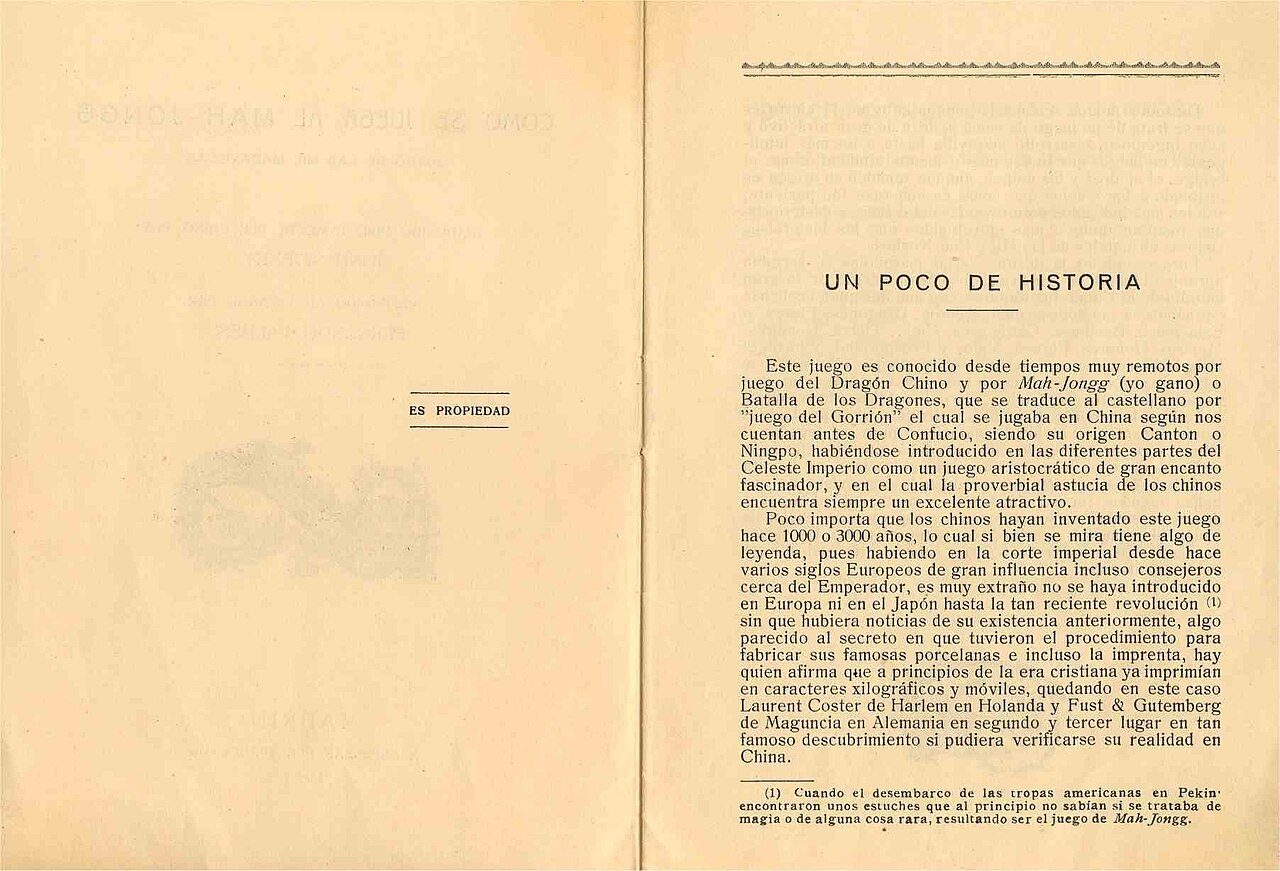
Western rule books from the 1920s onward created "classical" mahjong for English speakers, with doubles-based scoring. Variants such as British rules and the American Wright-Patterson rules preserve that tradition.
Japan has professional mahjong organisations with entrance exams, title matches and televised games. Since 2018 the M.League has run a team competition with corporate sponsors and large online audiences.
You cannot win every game, but you can avoid paying double. Defensive American play means reading exposures, recognising hot tiles and knowing when to give up on your own hand.
Chinese communities carried mahjong across Southeast Asia, where it developed local forms: Singaporean and Malaysian mahjong with animal tiles, Filipino sixteen-tile games and Vietnamese sets with many jokers.
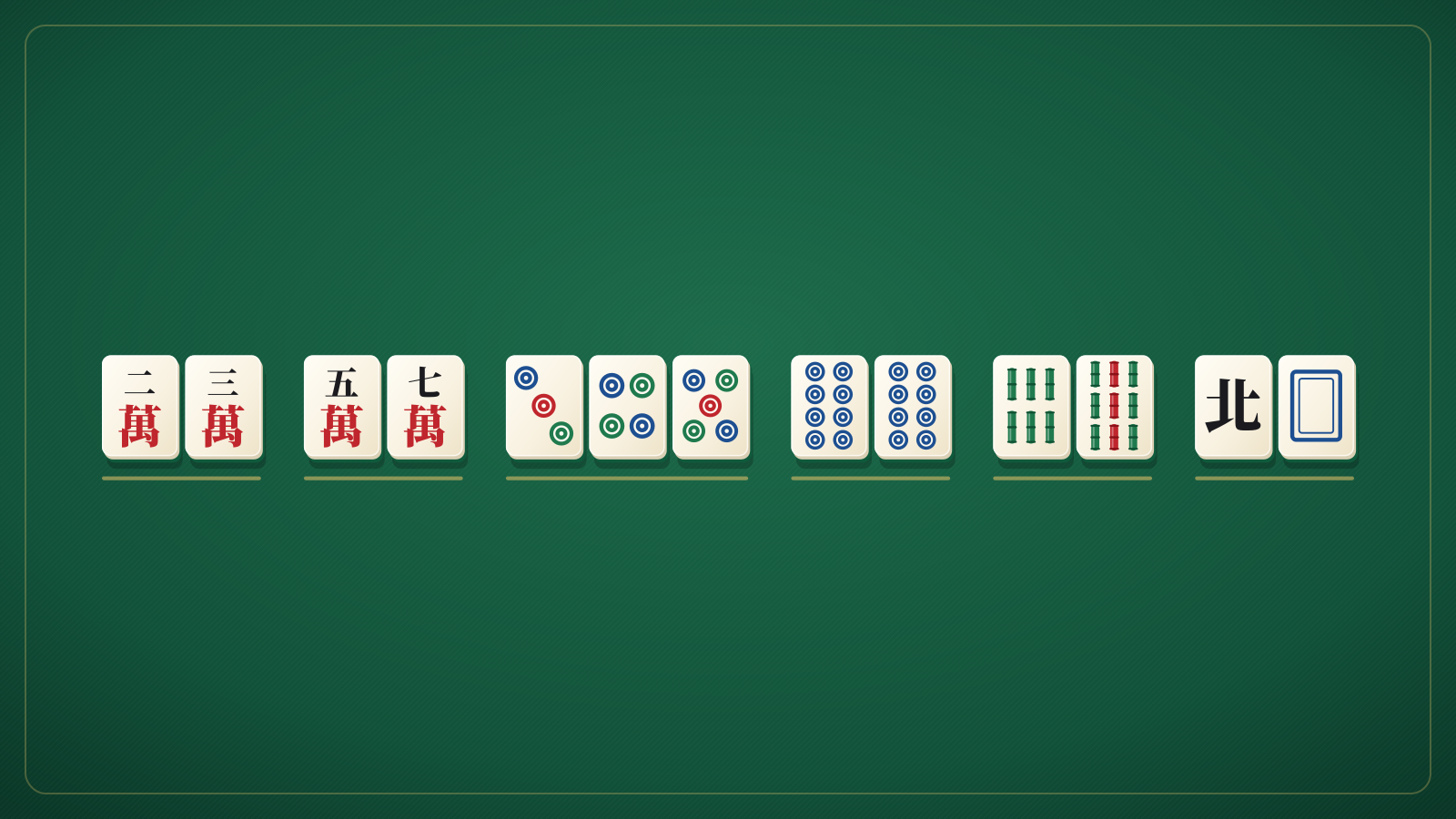
Follow a beginner-friendly Hong Kong-style hand from deal to win: which tiles to keep, when to call, and how the final tile completes the hand. Reading a worked example is the fastest way to learn.