Glossary A–Z
The 40 words a lip-blushing artist actually uses — from aquarelle and vermilion border to Fitzpatrick, iron oxide and bloodborne pathogens. Each links to the entry that treats it in most depth.
A
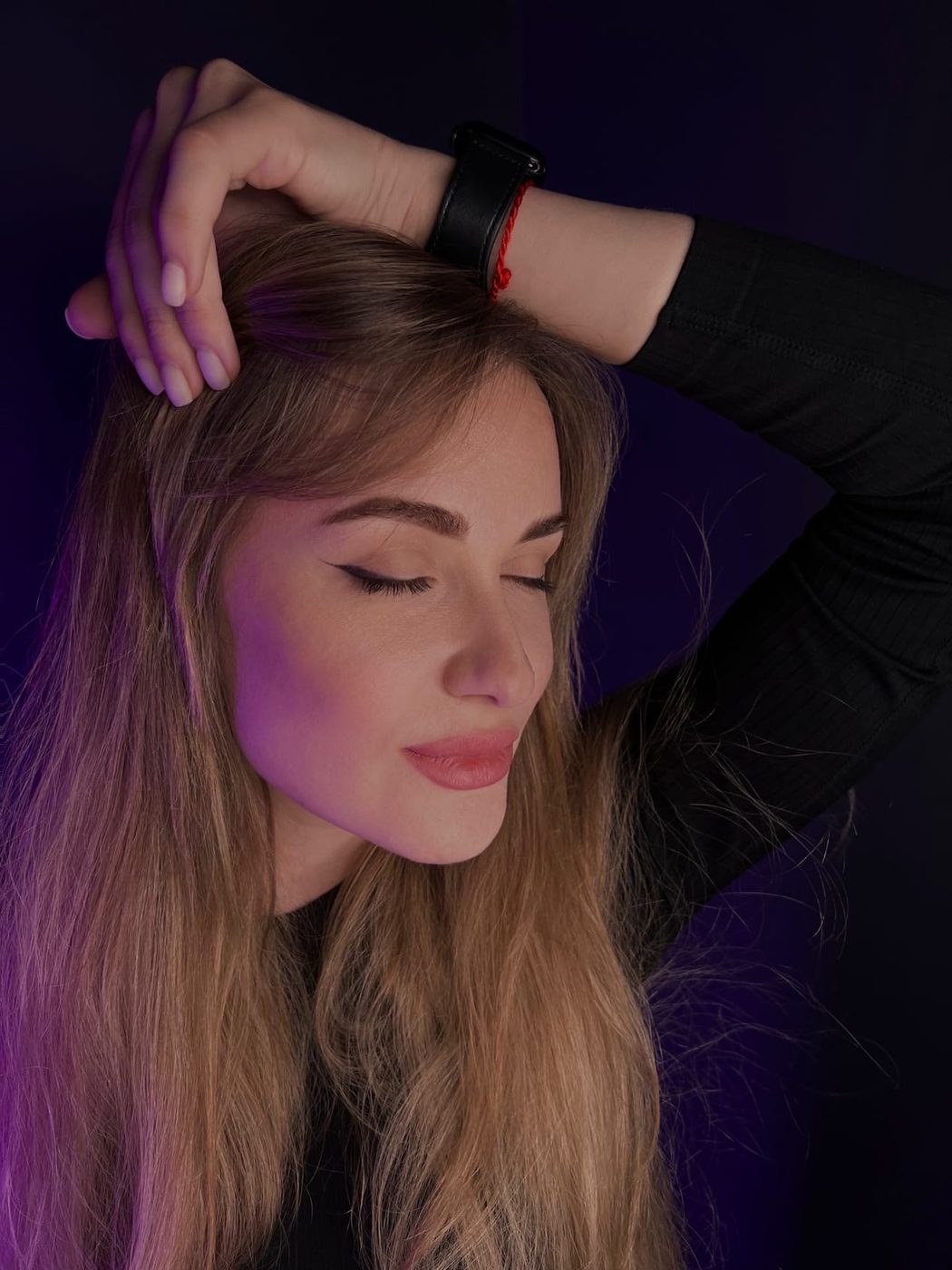 Aquarelle lipsah-kwah-RELTechnique · The sheerest, borderless 'watercolour' style of lip blushing.
Colour concentrated centrally and washed out to nothing before the edge, using the brightest, most translucent pigments and extra feathering.
B
 Safety · A disease-causing microbe carried in blood — chiefly hepatitis B, hepatitis C and HIV.
The reason for universal precautions, single-use sharps and mandatory BBP certification.
 Safety · Pigment spreading into deeper tissue during the session, giving a blurred, dark halo.
Caused by needling too deep, over-working or heavy pressure; often needs lightening before re-work.
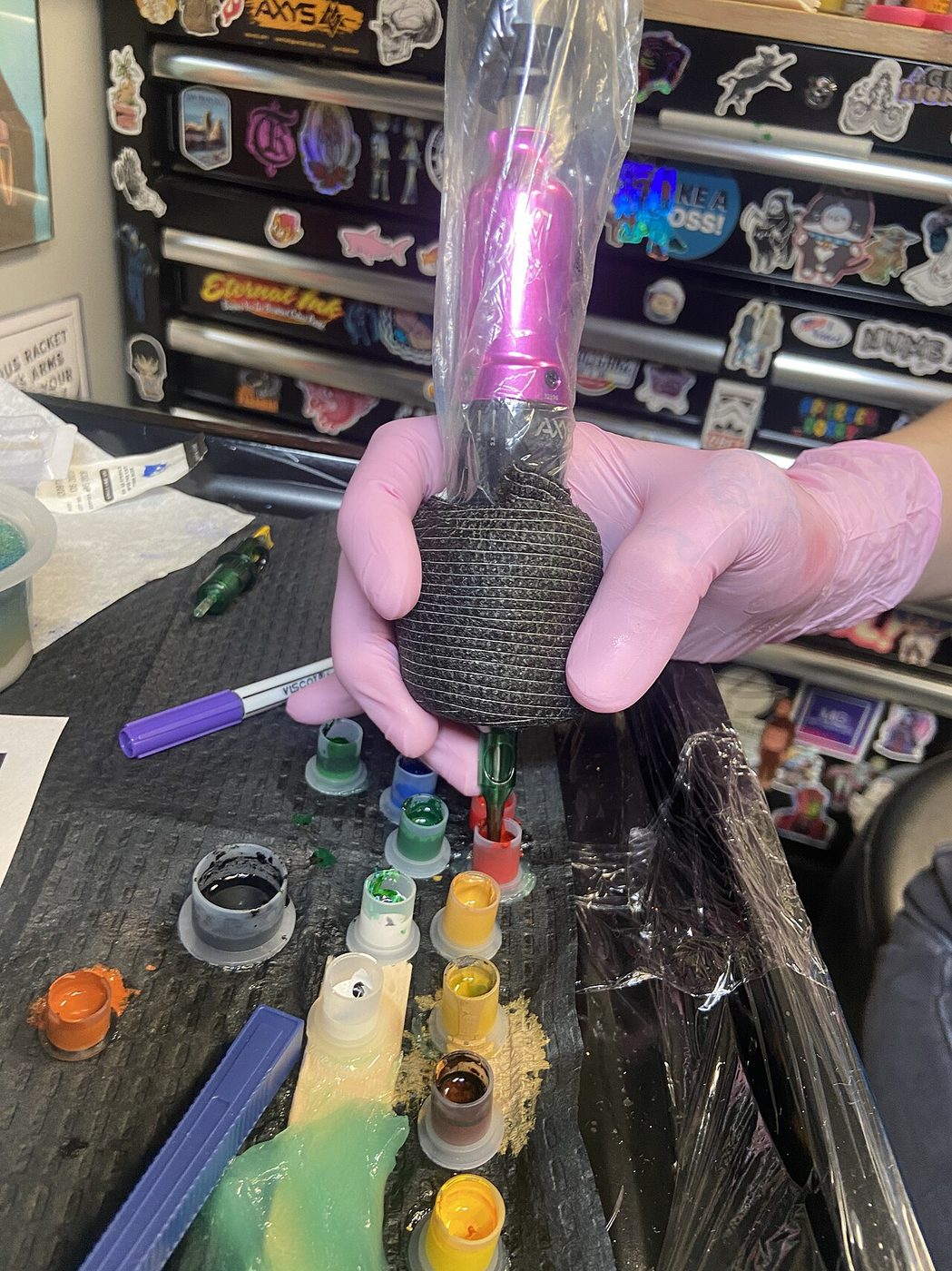 Technique · A lip blush with no visible border, density fading gradually into the skin.
Achieved with a light feathering pass and bright sheer colour; the most forgiving style as it ages.
C
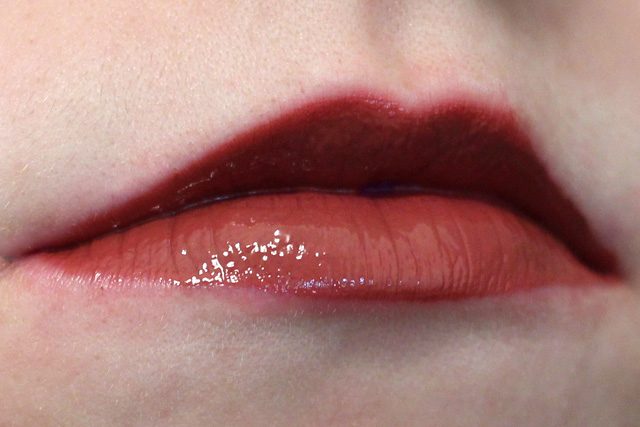 Pigment · The liquid that suspends and delivers pigment particles — water, glycerin, alcohol, witch hazel.
Sets flow, drying speed and how the pigment implants; adjusted with approved mixing solution.
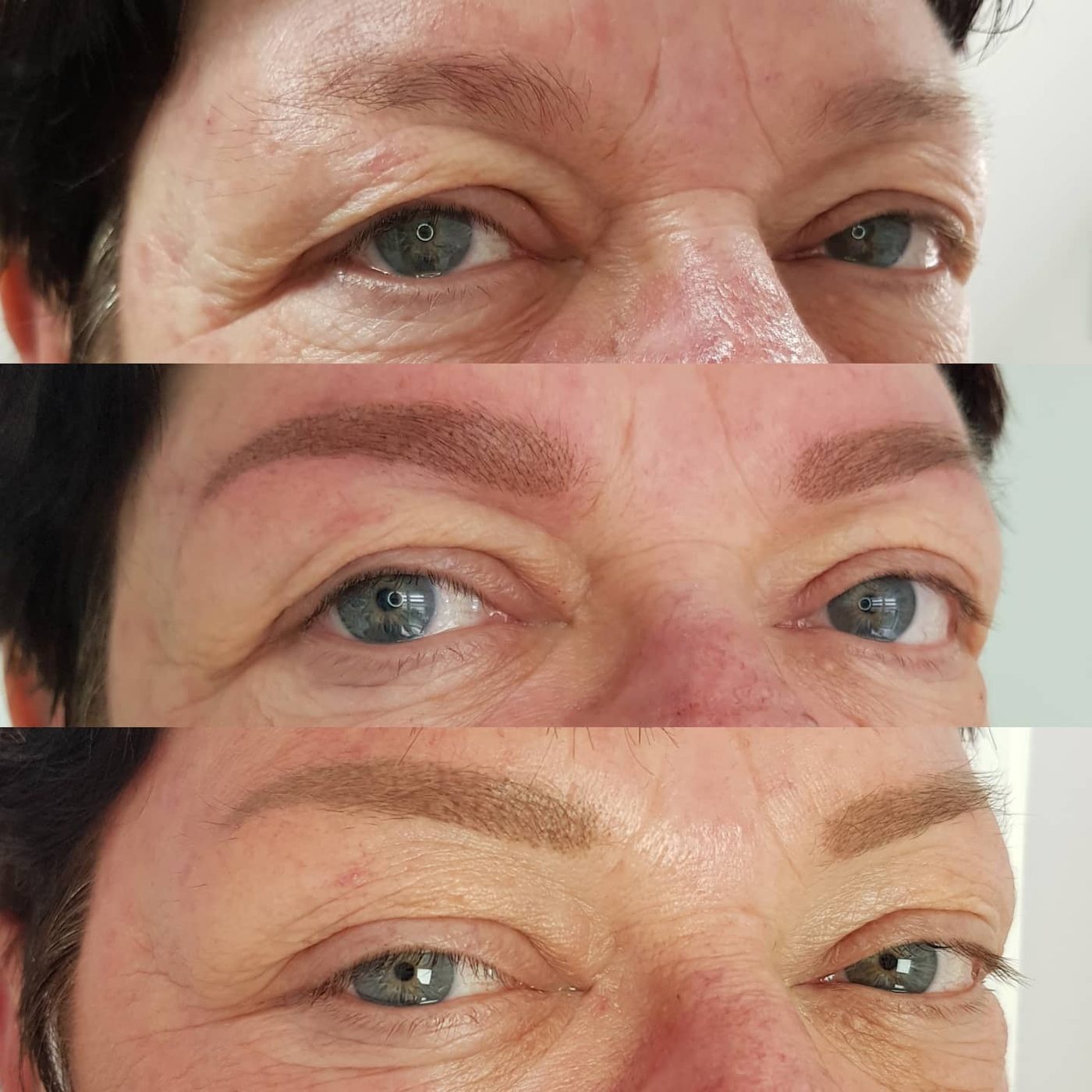 Technique · A quick, lighter re-pigmentation every 12–24 months to refresh a faded blush.
Cheaper and faster than the first appointment; keeps hue true before it gets thin.
 Pigment · Using warm complementary pigment to neutralise unwanted blue, grey or brown tones.
An advanced, multi-session skill for naturally dark or previously tattooed lips.
 Safety · A condition that makes lip blushing inadvisable, either absolutely or until managed.
Screened at consultation; some end the appointment, some just add a step.
 Anatomy · The double curve of the upper lip at the midline.
A key mapping landmark; flattens with age and can be visually restored with shading.
D
 Healing · An aftercare method that keeps the lips almost bare rather than using ointment.
Aims to avoid trapping bacteria or floating pigment out; can feel tight and chapped.
F
 Fitzpatrick scaleFITS-pat-rikSkin Science · A I–VI classification of skin by how it burns and tans.
Predicts post-inflammatory hyperpigmentation risk and informs pigment choice and intervals.
G
 GranulomaGRAN-yoo-loh-maSafety · A lumpy inflammatory reaction to pigment, sometimes years later.
A form of delayed pigment allergy; hard to treat because the allergen is in the skin.
H
 Safety · Excess melanin producing a darker patch where skin was traumatised (PIH).
More likely in higher Fitzpatrick types, with over-working, sun exposure or infection during healing.
I
 Pigment · Mineral pigment (CI 77491/77492/77499) that is the backbone of lip colour.
Stable, well tolerated and fades honestly; can drift cool as the red fraction clears.
L
 Technique · Drawing the agreed shape on the lips and checking symmetry before any needle.
Uses midline, cupid's bow, commissures and callipers; needs explicit client sign-off.
 LymphlimfSkin Science · Clear fluid that seeps from micro-wounds during and after the procedure.
Reading lymph vs blood tells the artist the needle depth is right.
M
-
MacrophageMAK-roh-fayjSkin Science · An immune cell that engulfs pigment particles and holds many of them in the dermis.
Why a tattoo lasts; slow lymphatic clearance of these cells is the fade.
-
Equipment · A needle cartridge with pins in one or two staggered rows, used for soft shading.
Small curved magnums give gentle blends on larger lips.
 History · 1980s term for purpose-built cosmetic tattooing, distancing it from tattoo parlours.
Came with face-specific machines and cosmetic pigment ranges.
N
-
Pigment · Cancelling an unwanted lip tone with its complementary colour before adding blush colour.
Blue/purple countered with orange; brown with warm peach; grey with warm gold plus brightener.
O
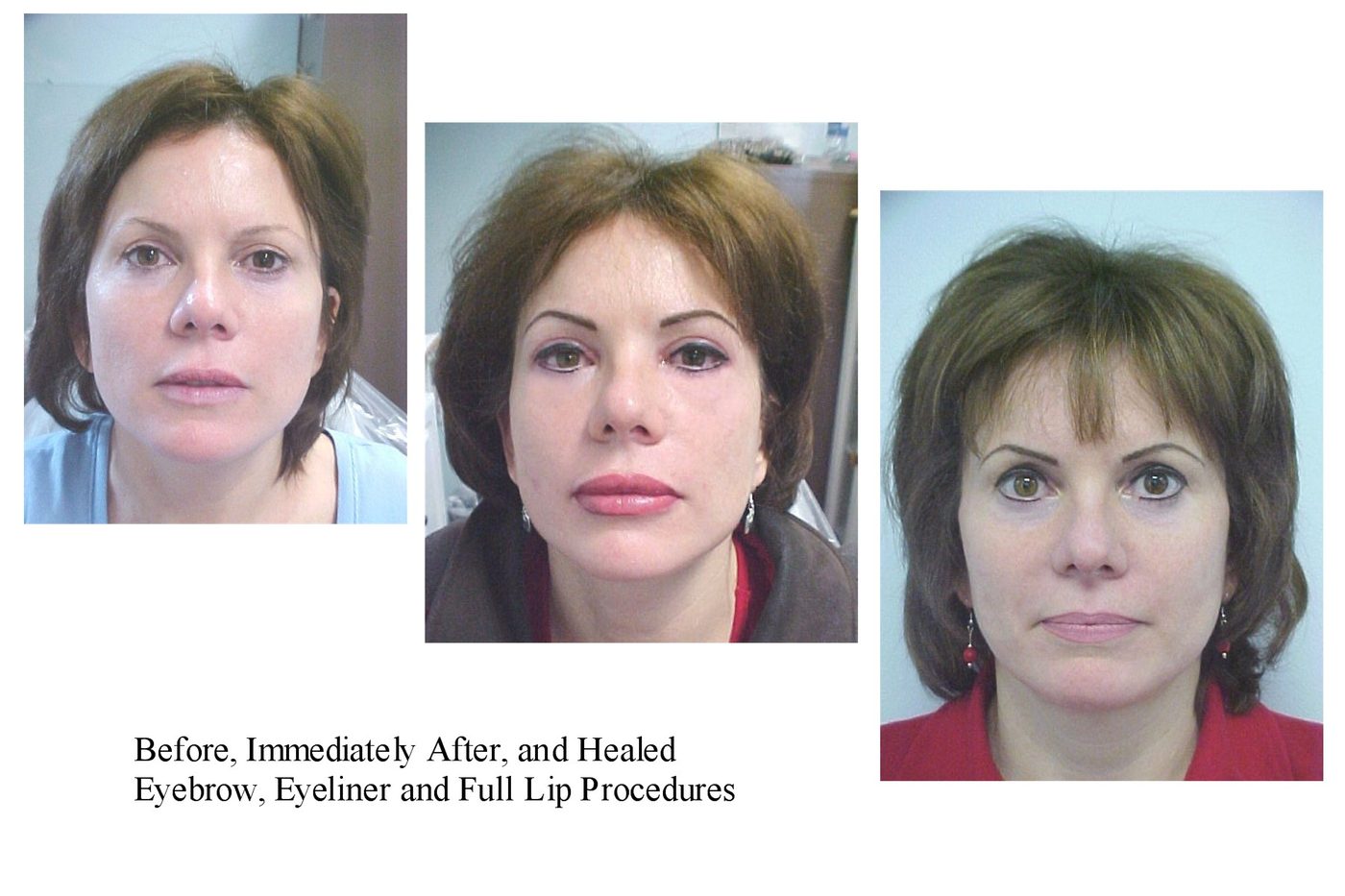 Ombré lipsOM-brayTechnique · A deliberate value gradient, deeper at the border and lighter toward the centre.
Creates an illusion of fullness; the most structured tasteful style.
-
Orbicularis orisor-bik-yoo-LAH-ris OR-isAnatomy · The sphincter muscle encircling the mouth.
Its constant movement is a reason lip pigment breaks down faster than on still skin.
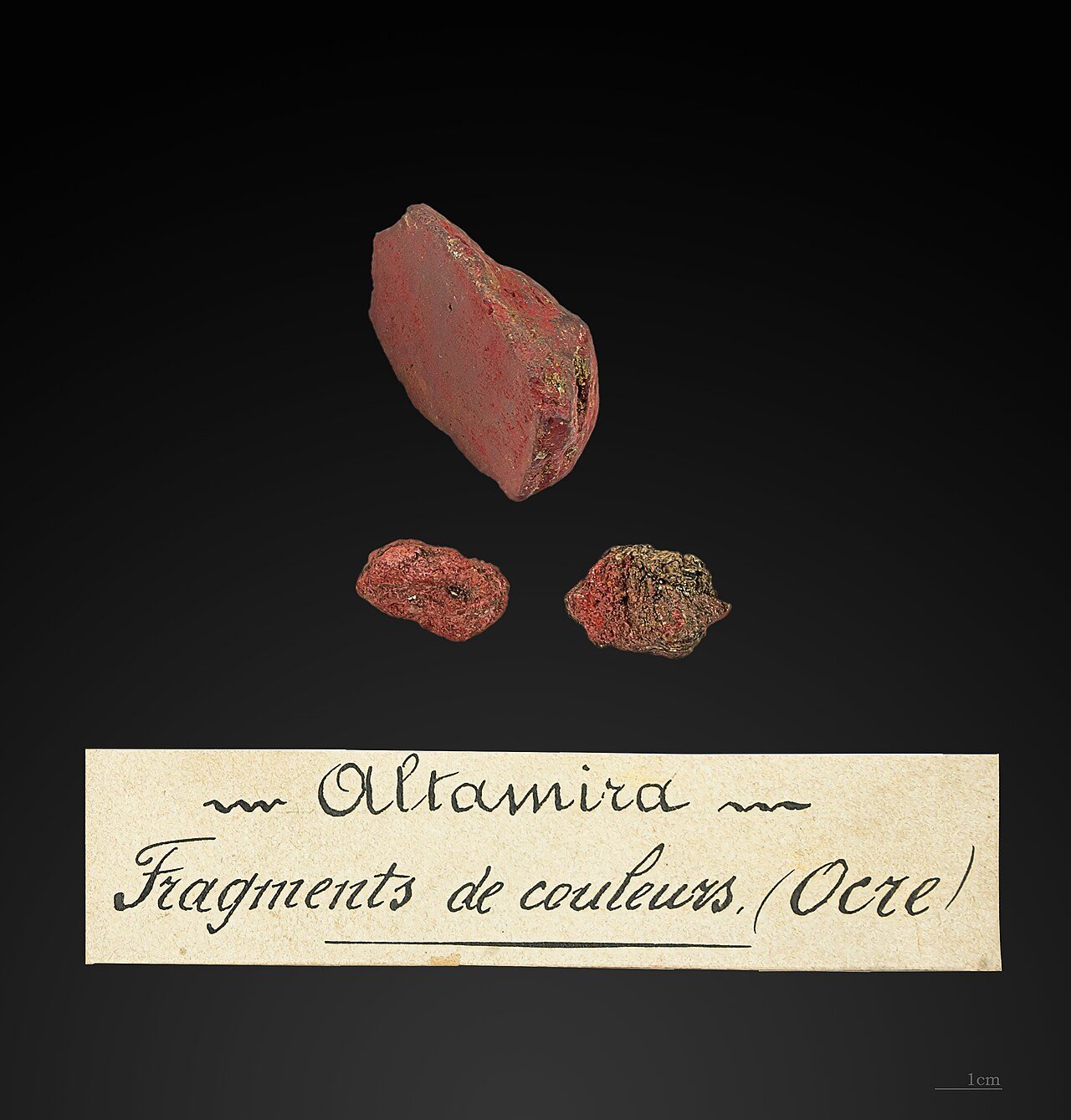 Pigment · Carbon-based synthetic colourant — bright, translucent, strong, but fades unpredictably.
Blended in small amounts with iron oxide to brighten lip formulas.
P
-
Safety · Implanting a small amount of the intended pigment in a hidden spot to check for reaction.
Lowers but does not eliminate allergy risk; most useful for reactive or multi-allergic clients.
-
History · The dense, opaque, hard-lined lip tattoo popular from the 1980s to the 2000s.
Its 'ring' fade and migration are what modern soft technique reacts against.
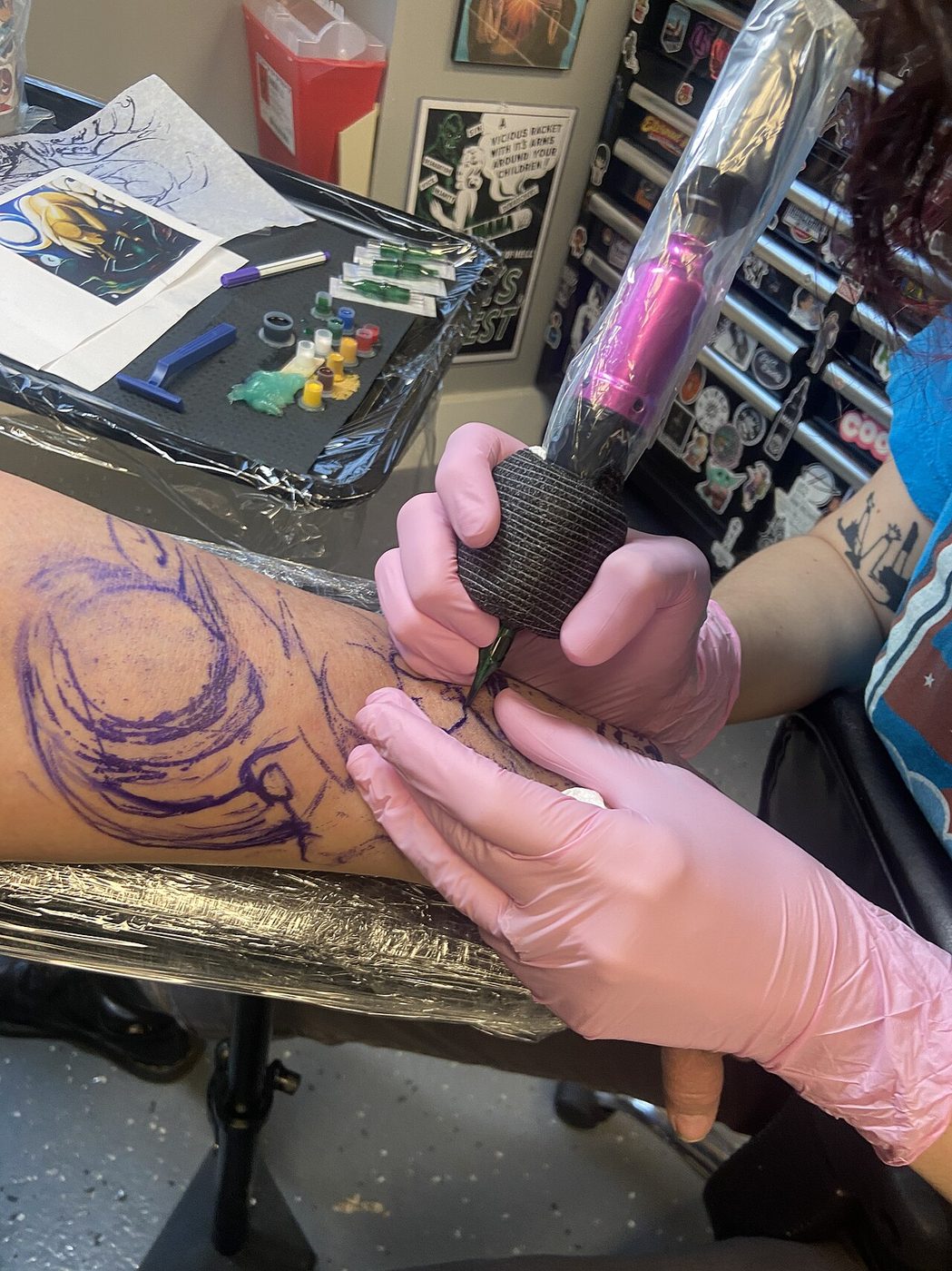 Technique · Depositing colour as many tiny separated dots built up in light layers.
Heals more evenly than solid packing and lets the artist stop at the right saturation.
-
Safety · A darker patch left after the inflammation of the procedure settles (PIH).
Usually fades over months; reduced by gentle technique and strict sun avoidance.
 Prophylaxisproh-fih-LAK-sisHealing · Preventive antiviral medication taken around the procedure to stop a cold-sore flare.
Standard for anyone with any history of herpes simplex on the lips.
R
-
REACH restrictionreechRegulation · The 2022 EU rule restricting substances in tattoo and PMU inks.
Banned Pigment Blue 15:3 and Green 7 from 2023 and forced many brands to reformulate.
-
Equipment · A cartridge with pins soldered in a tight circle (e.g. 1RL, 3RL) for definition and shading.
Long-taper round liners are the mainstay of soft lip work.
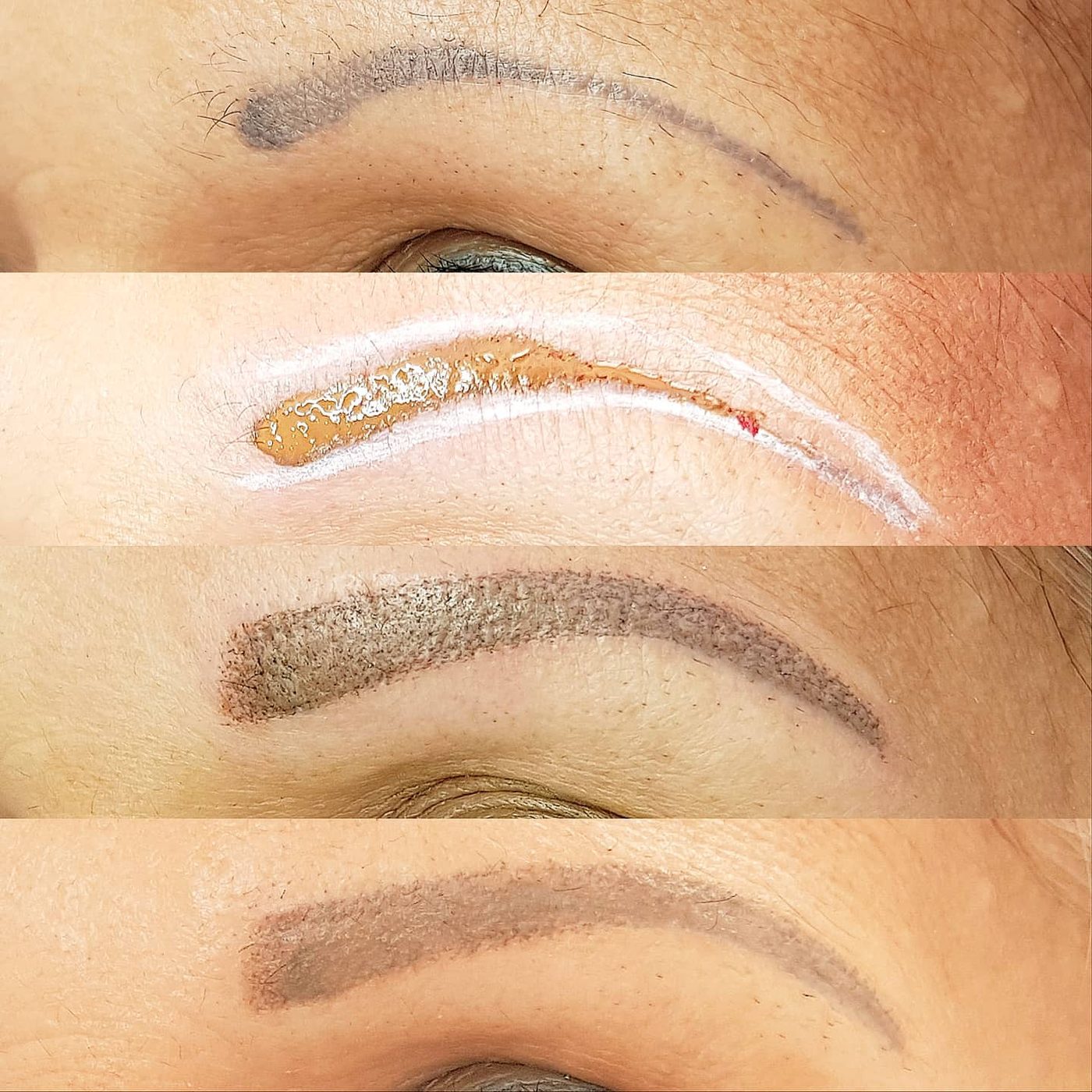 Styles · A filler injection technique for lifted, heart-shaped lip volume — not a tattoo.
Often confused with lip blushing; addresses size, not colour.
S
-
Safety · A removal method that draws pigment out through a fresh micro-wound using a saline solution.
Used with laser to correct migration, over-saturation or bad colour before re-work.
T
-
Equipment · Lidocaine-based gel or cream that numbs the lips before and during the procedure.
A stronger primary on intact skin, then a lidocaine-plus-epinephrine secondary once broken.
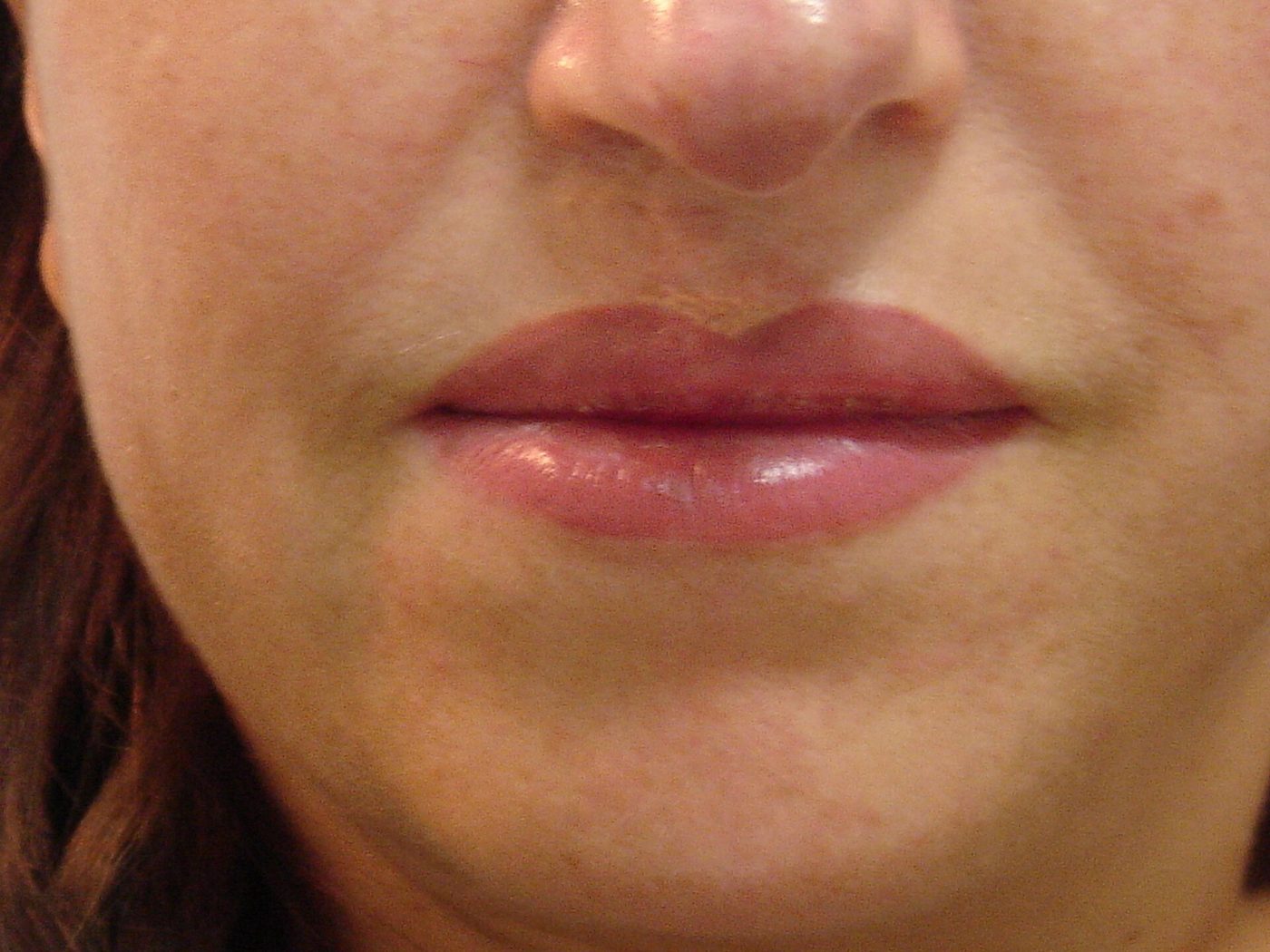 Technique · The perfecting session 6–10 weeks later that rebuilds wherever pigment dropped out.
Part of the procedure, not an upsell; most people need exactly one.
U
-
Pigment · The warm or cool bias of skin and natural lip colour that filters the healed result.
Read before choosing pigment; a warm colour over a cool lip heals muddy.
-
Safety · Treating every client's blood and fluid as potentially infectious.
Gloves, hand hygiene, single-use sharps, barriers and surface disinfection, every time.
V
 Vermilion borderver-MIL-yunAnatomy · The crisp line where red lip meets facial skin, with a pale 'white roll' just outside.
Never tattooed as a hard line in modern technique; defined by shading density instead.
-
Vermilion zonever-MIL-yunAnatomy · The red part of the lip, with thin translucent keratin and no hair or glands.
Its colour comes from blood beneath; this is the tissue lip blushing works on.
W
-
Technique · A flicking machine motion that lays graduated pixelated colour.
One of the core motions for building sheer, even density.
-
Anatomy · The subtly raised, lighter rim just outside the vermilion border.
Catches light to sharpen the mouth; flattens with age and can be faintly faked with pigment.