Glossary A–Z
The 73 words you'll meet most often in neuroscience — from action potential and amygdala to synapse and working memory — each in one line, then a little more, with a link to the entry that explains it properly.
A
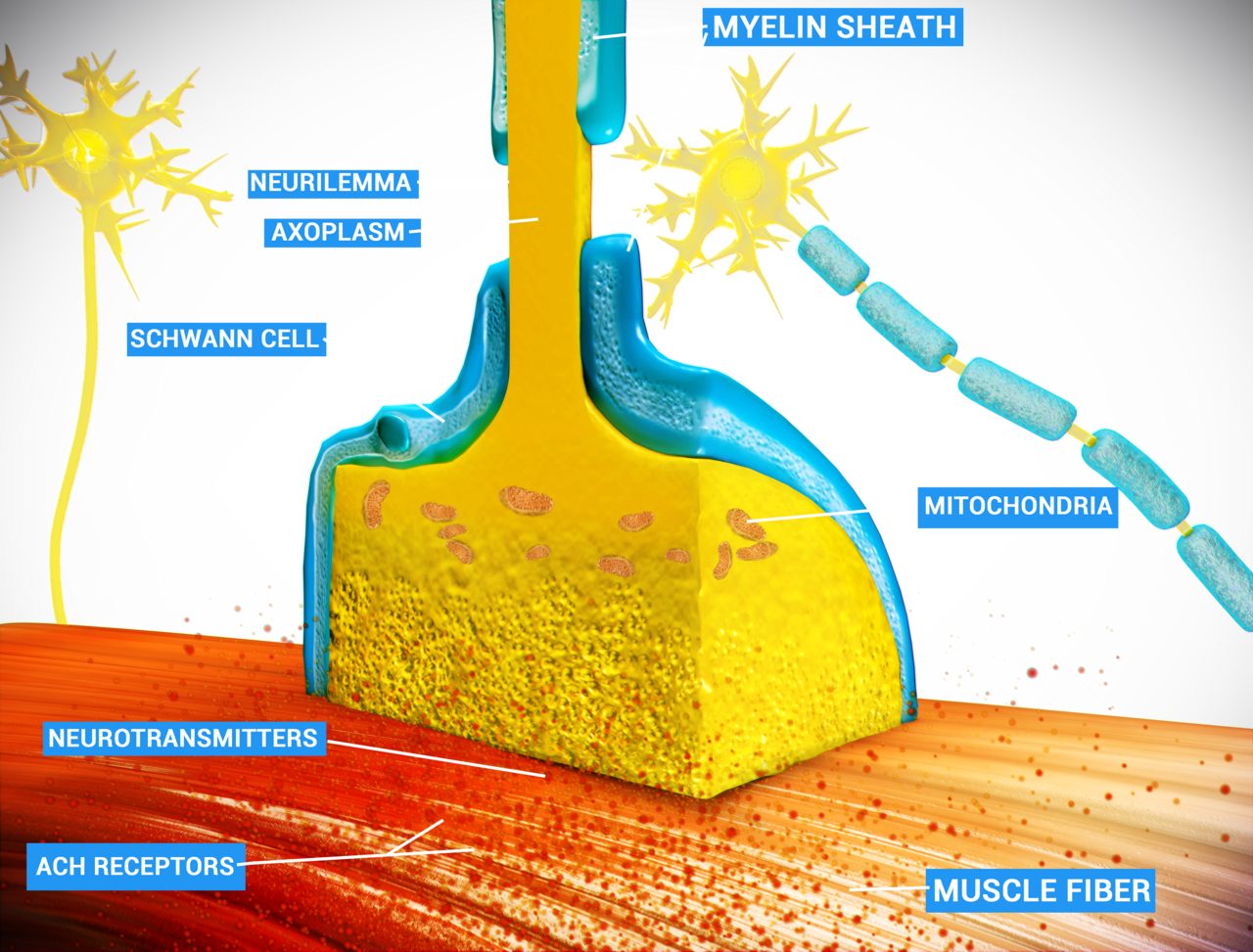 Acetylcholine/a-SEE-tul-KOH-leen/Chemistry · The transmitter that moves muscles and aids attention.
The first neurotransmitter discovered; it triggers skeletal muscle contraction, runs the parasympathetic system and supports attention and memory in the brain.
 Signaling · The brief electrical spike a neuron fires.
An all-or-nothing reversal of the membrane voltage lasting about a millisecond, driven by sodium rushing in and potassium rushing out, that travels along the axon.
 Amygdala/uh-MIG-duh-luh/Anatomy · Almond-shaped hub for threat and emotional significance.
A cluster of nuclei deep in each temporal lobe that detects emotionally important events, drives fear responses and strengthens emotional memories.
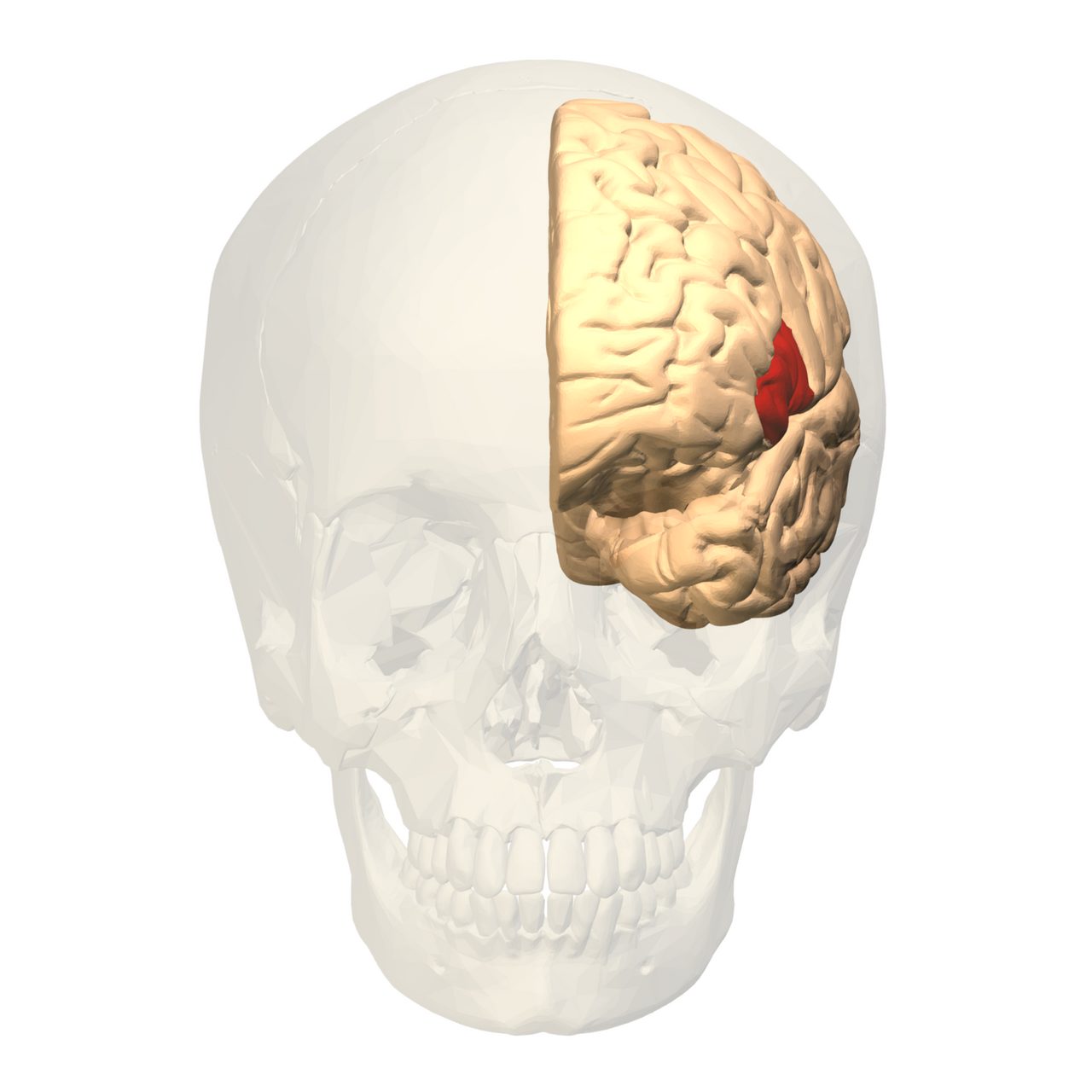 Aphasia/uh-FAY-zhuh/Clinical · Loss of language ability after brain damage.
A disorder of producing or understanding language, most often after a left-hemisphere stroke; Broca's and Wernicke's aphasias are classic types.
 Astrocyte/AS-troh-site/Cells · Star-shaped glial cell that supports neurons.
A glial cell that clears neurotransmitter and potassium, supplies energy, links neurons to blood vessels and helps form the blood-brain barrier.
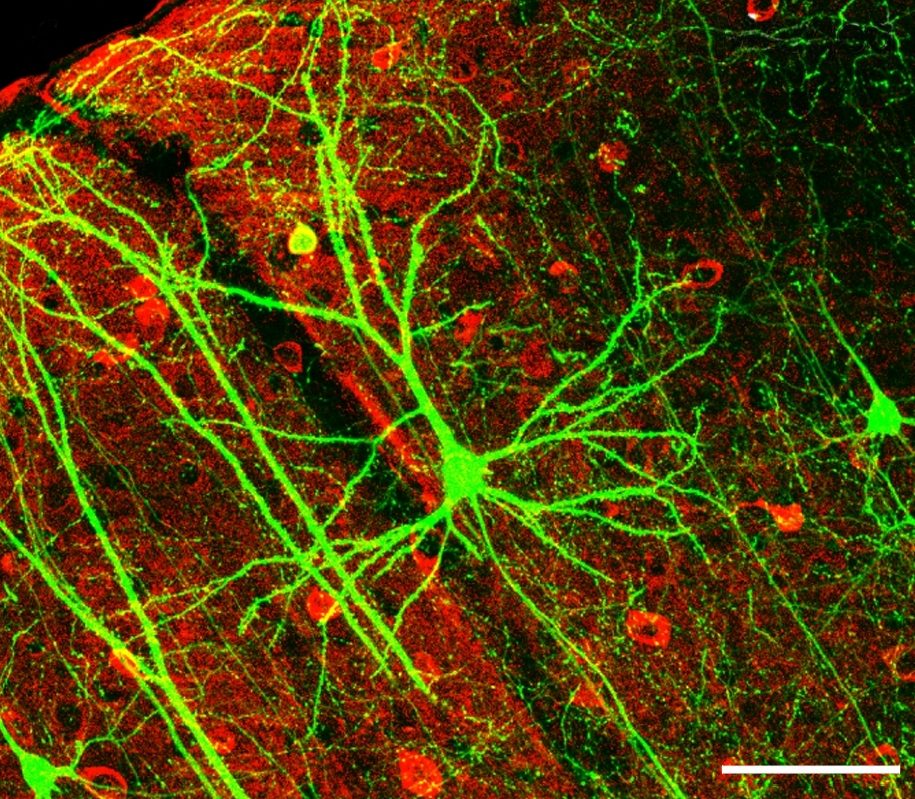 Axon/AK-son/Cells · A neuron's output cable.
The single long fibre that carries action potentials away from the cell body to the axon terminals, often insulated with myelin.
B
 Anatomy · Deep nuclei that select actions and form habits.
Interconnected structures including the striatum, globus pallidus, subthalamic nucleus and substantia nigra that gate movement and learn from reward.
 Chemistry · A growth factor that supports plasticity.
Brain-derived neurotrophic factor, a neurotrophin that helps neurons survive and synapses change; levels rise with exercise.
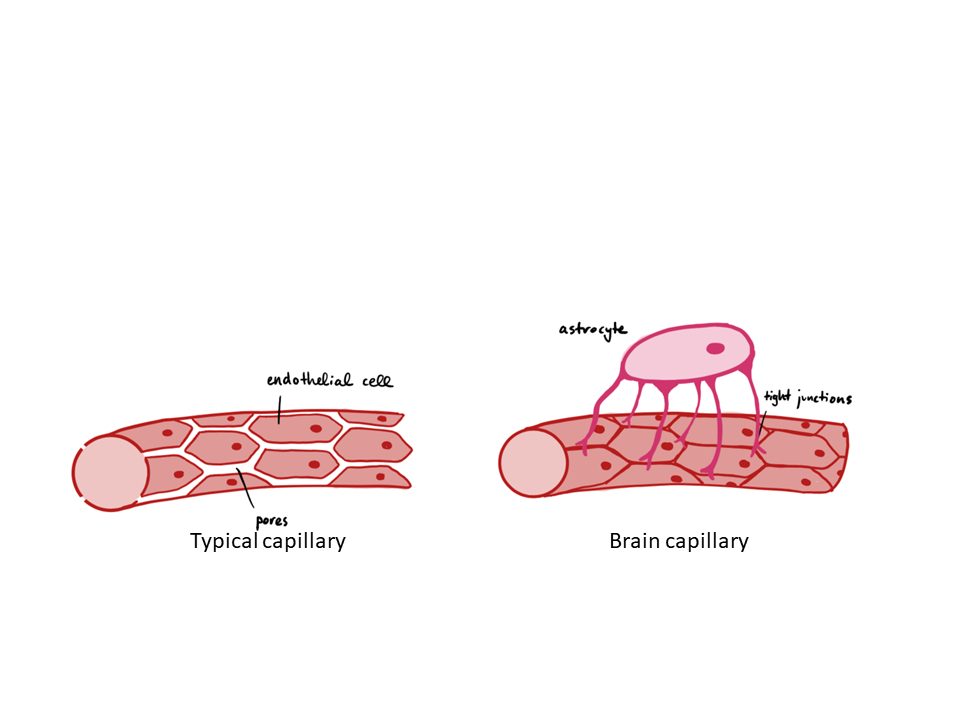 Cells · The seal between blood and brain tissue.
Tight junctions between the cells lining brain capillaries that keep most large molecules, germs and many drugs out of the brain.
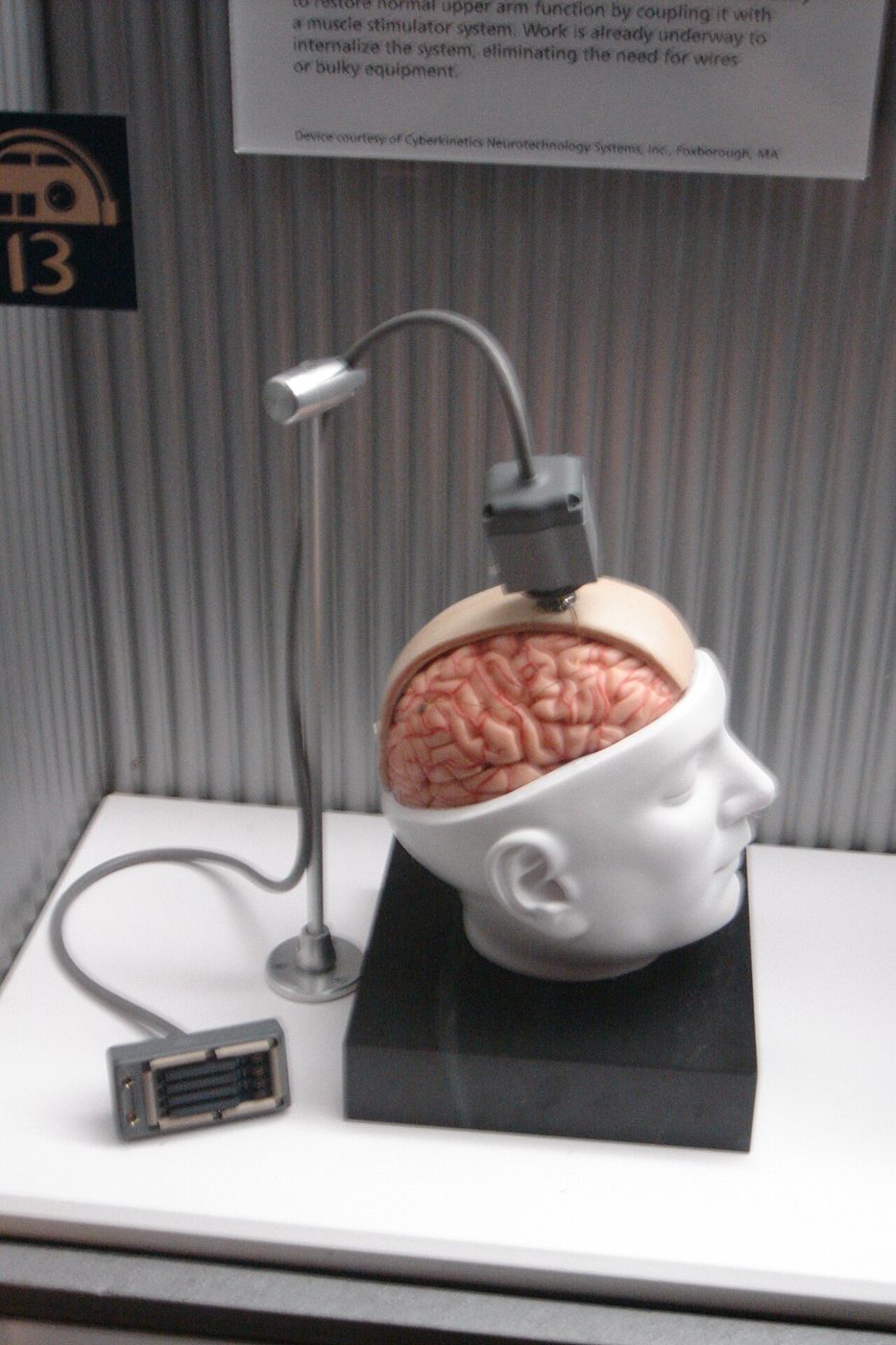 Technology · A device that turns brain signals into commands.
A system that records and decodes brain activity to control a computer, robotic arm or synthetic voice — used experimentally by people with paralysis.
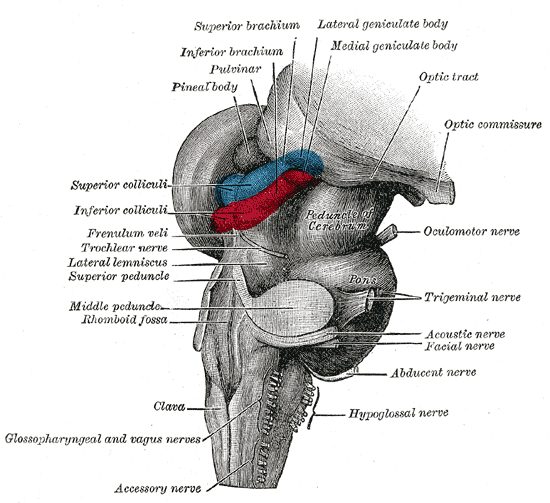 Anatomy · The stalk that runs life support.
The medulla, pons and midbrain, which control breathing, heart rate and arousal and carry all signals between brain and body.
-
Broca's area/BROH-kuhz/Anatomy · Left frontal region for speech production.
Part of the left inferior frontal gyrus important for producing speech and grammar, named after Paul Broca, who described it in 1861.
C
 Cerebellum/ser-uh-BEL-um/Anatomy · The 'little brain' that coordinates movement.
The structure at the back of the brain that times and fine-tunes movement and balance and drives motor learning; it holds about 80% of the brain's neurons.
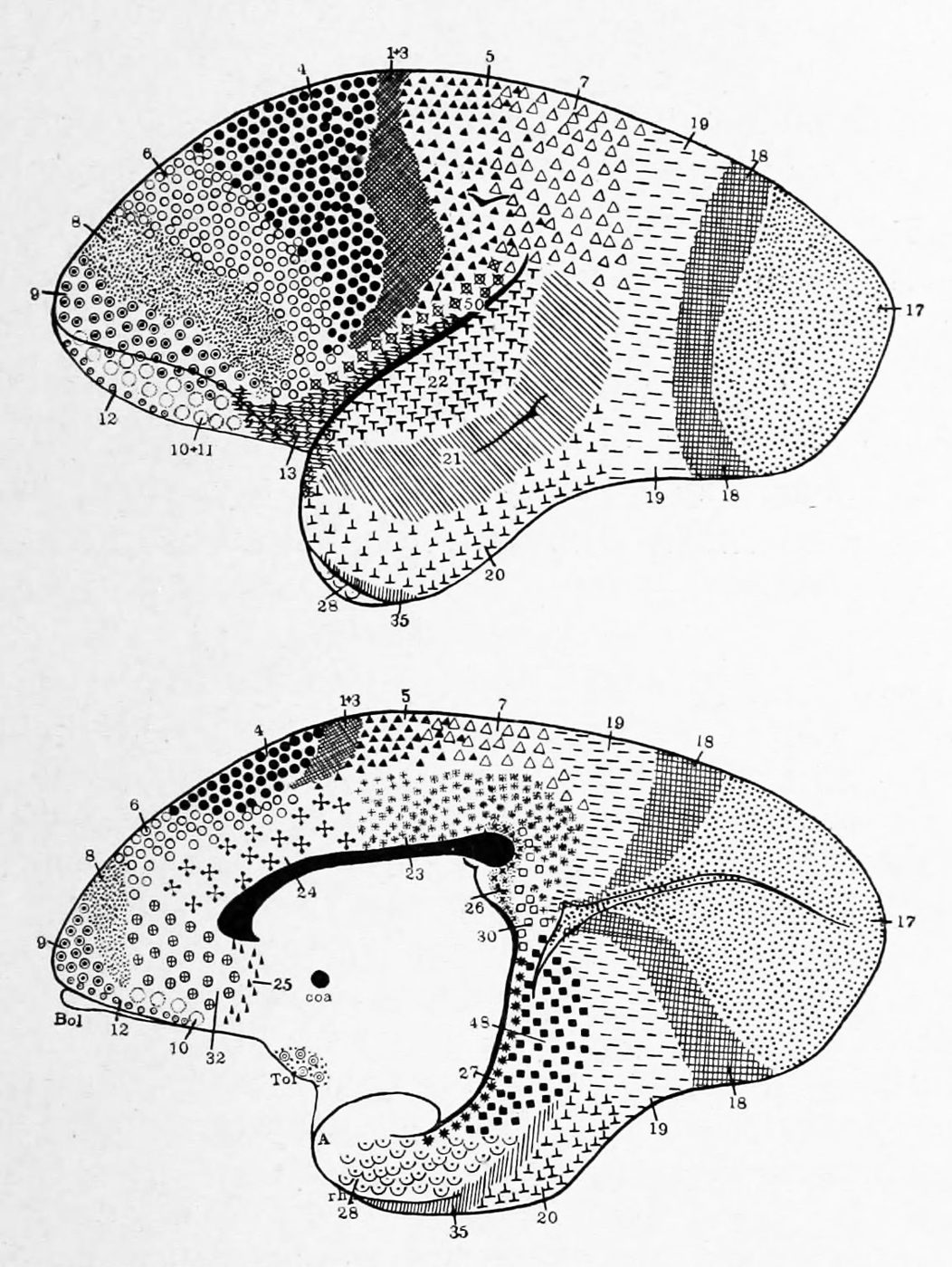 Anatomy · The brain's folded outer sheet.
A 2–4 mm thick layer of grey matter, mostly six-layered, divided into lobes and areas for senses, movement, language and thought.
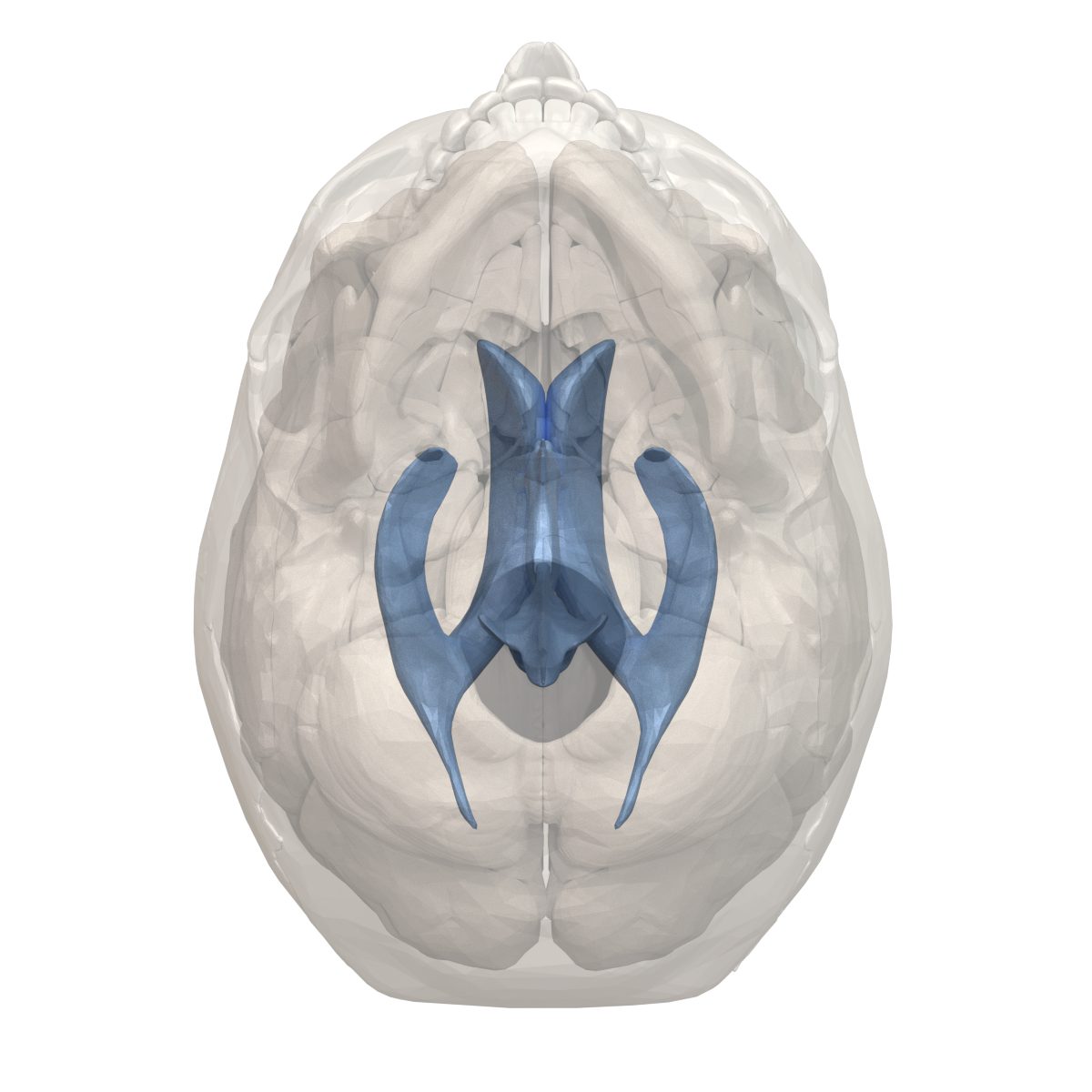 Anatomy · The fluid that cushions the brain.
Clear fluid made by the choroid plexus that fills the ventricles and surrounds the brain and spinal cord, providing buoyancy and clearing waste.
 Circadian rhythm/sur-KAY-dee-un/Sleep · The body's roughly 24-hour clock.
Daily cycles of sleep, alertness, temperature and hormones set by the suprachiasmatic nucleus and reset by light.
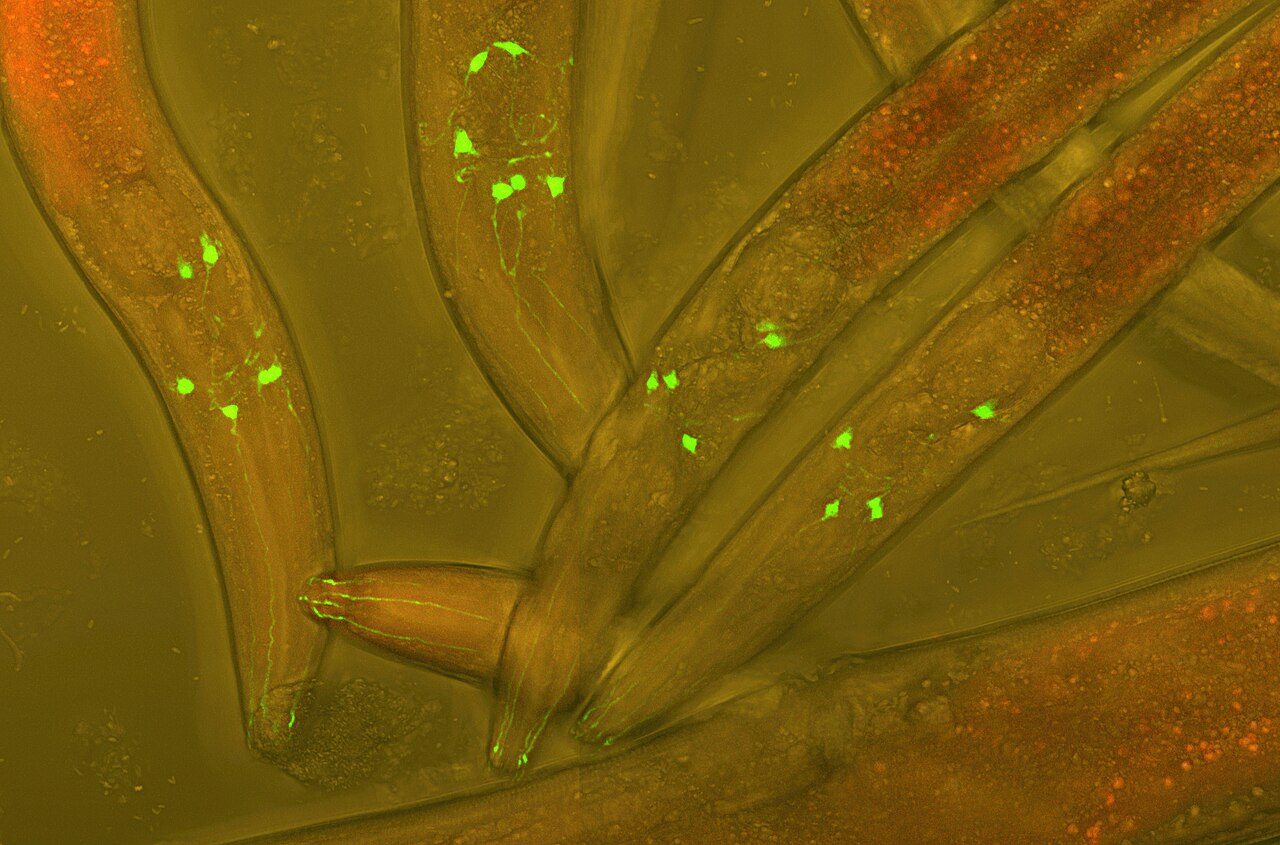 Methods · A complete map of neural connections.
A wiring diagram of a nervous system, from region-to-region pathways to every synapse between every neuron.
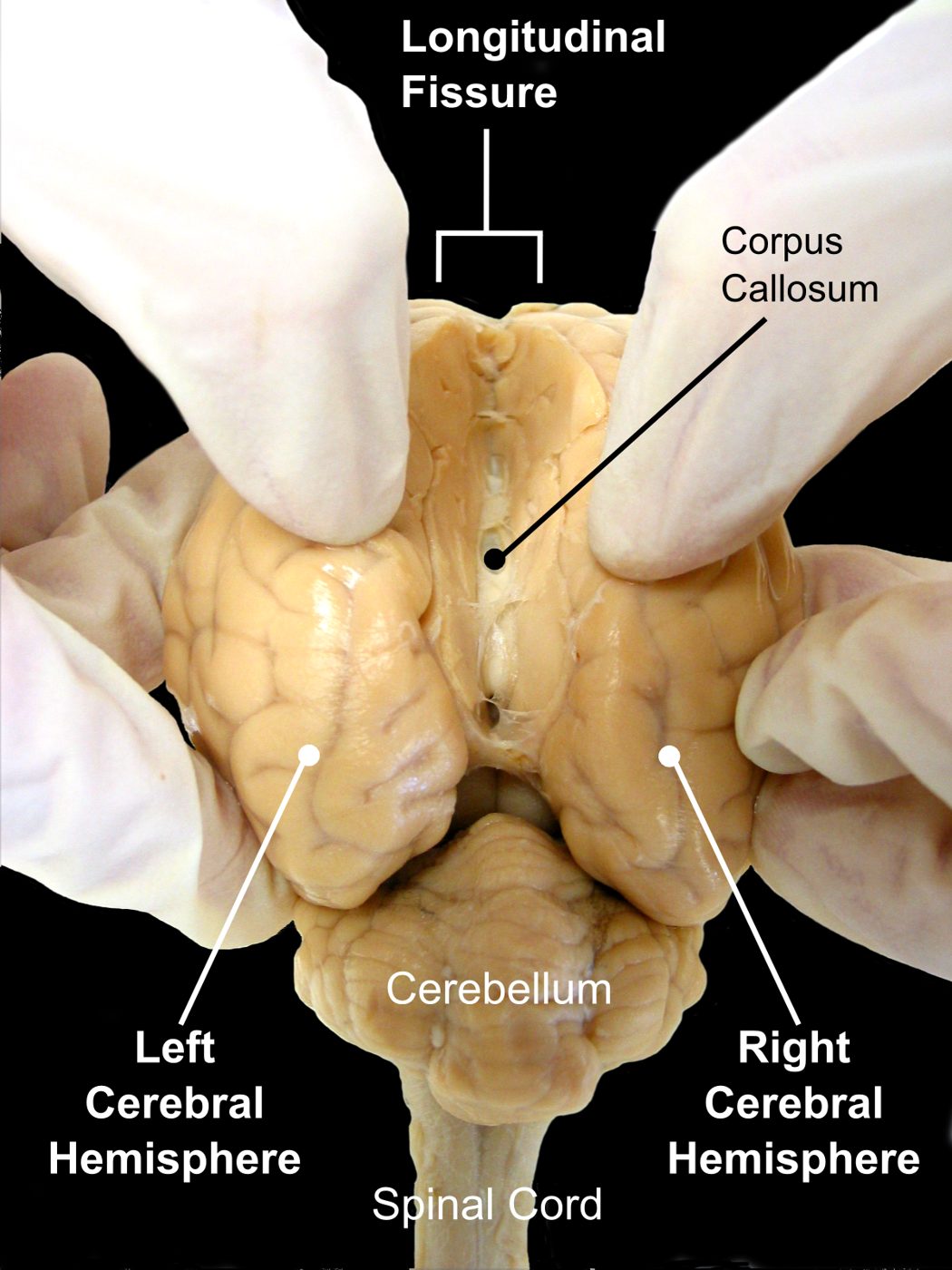 Anatomy · The bridge between the two hemispheres.
A thick band of about 200 million axons connecting the left and right cerebral hemispheres; cutting it produces the split-brain condition.
 Development · A window when experience shapes a circuit most.
A developmental stage when a brain system is especially sensitive to specific input, as for binocular vision and language.
D
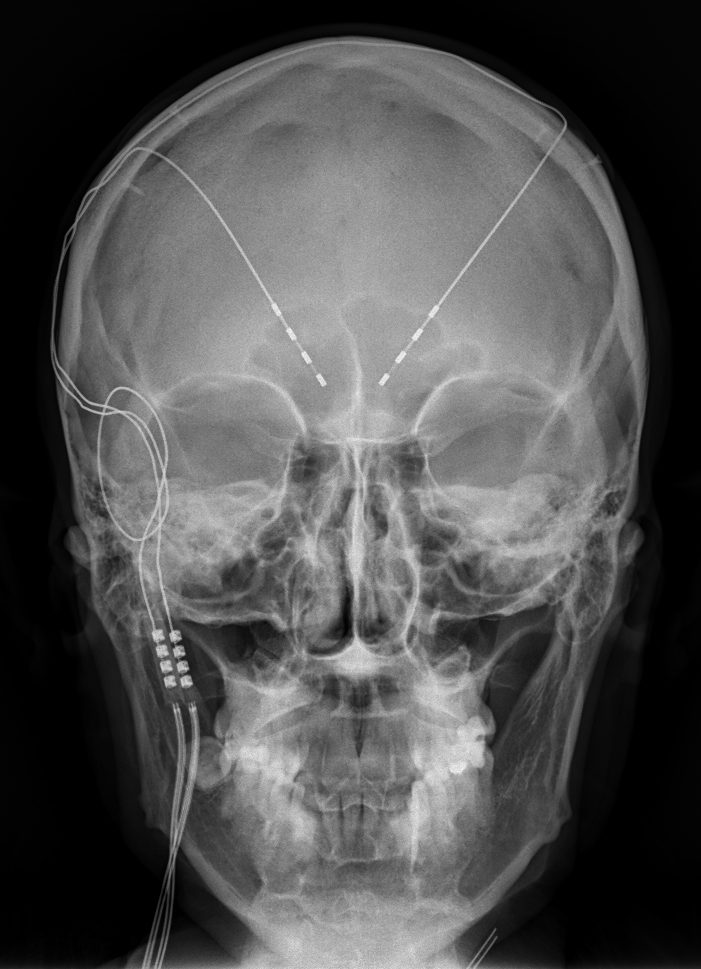 Treatment · An implanted 'pacemaker' for the brain.
Electrodes placed in deep brain targets deliver electrical pulses to treat Parkinson's disease, tremor, dystonia, epilepsy and OCD.
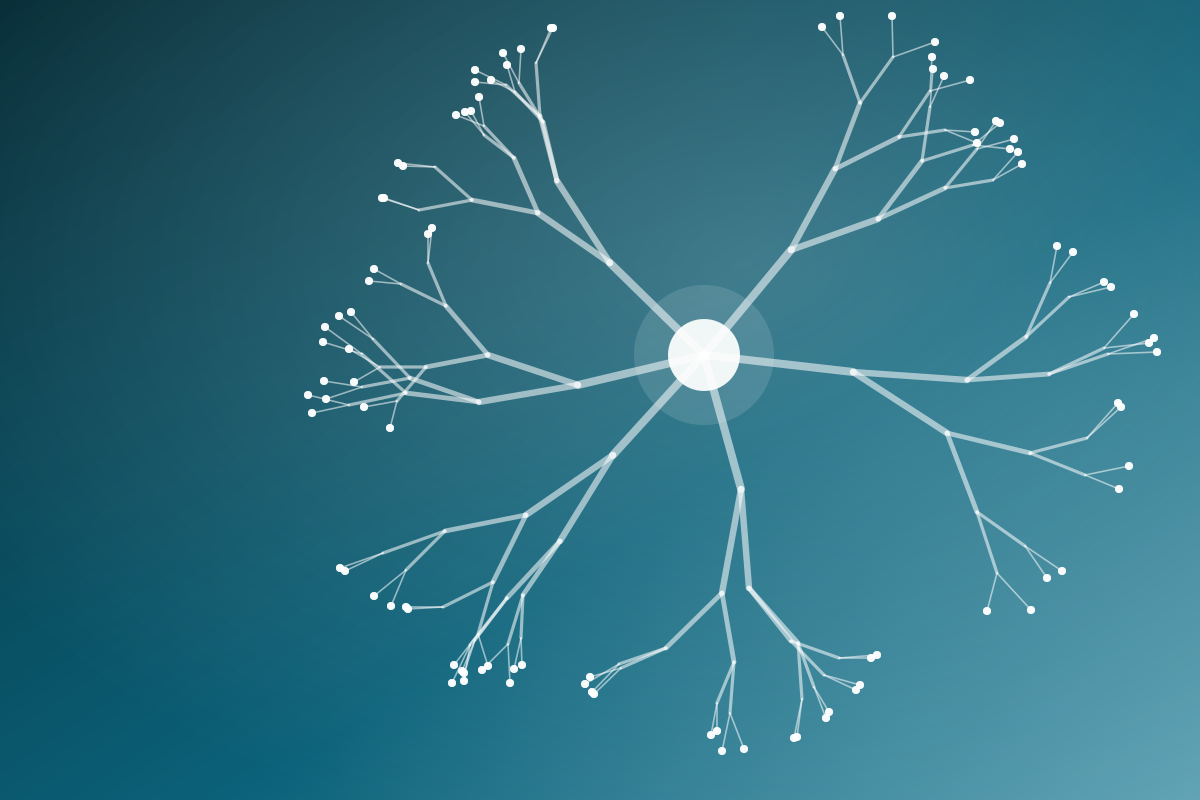 Networks · Brain network active during mind-wandering.
Regions including the medial prefrontal and posterior cingulate cortex that are more active at rest and during self-related thought, memory and imagination.
-
Dendrite/DEN-drite/Cells · A neuron's branching input tree.
Branched extensions of a neuron that receive synaptic inputs from other neurons, often covered in tiny dendritic spines.
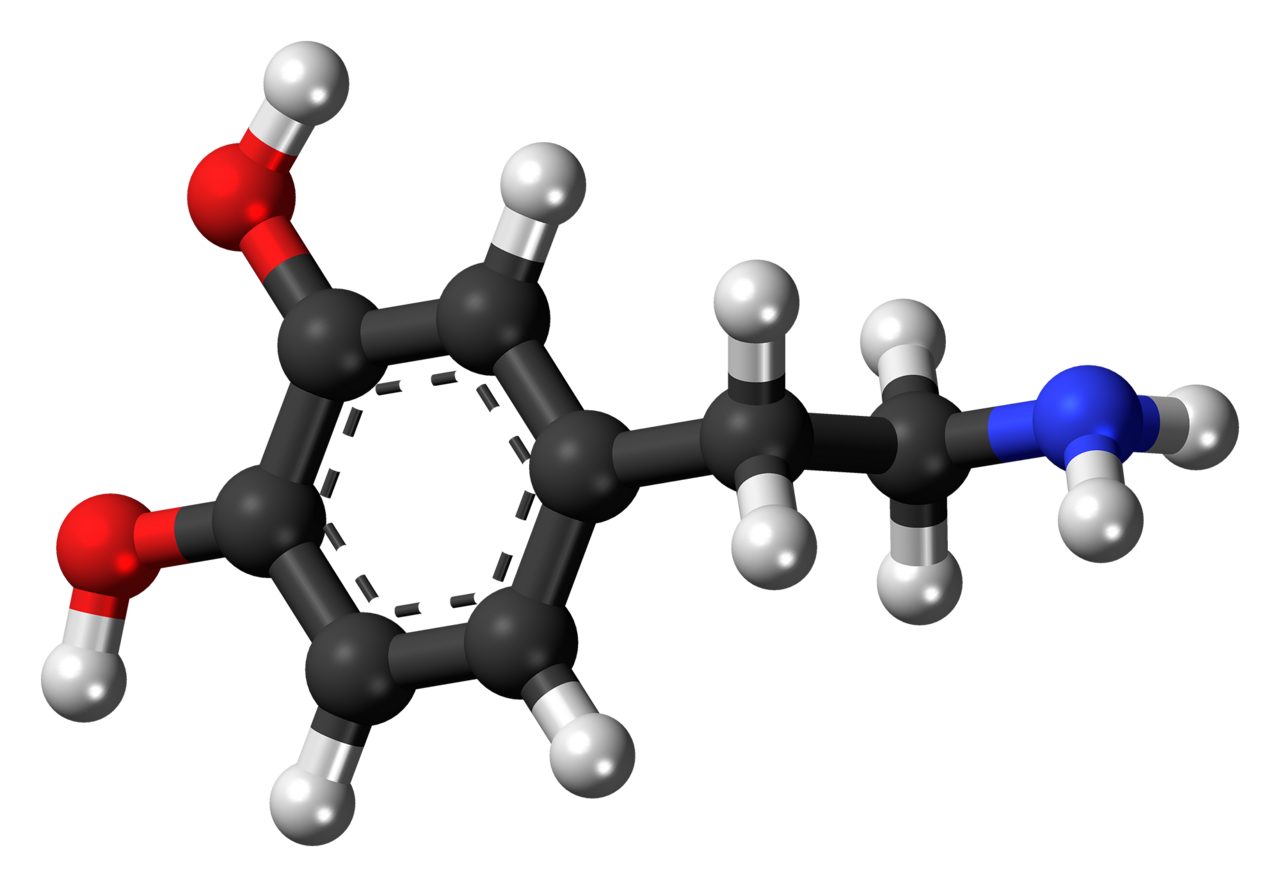 Dopamine/DOH-puh-meen/Chemistry · Transmitter for movement, motivation and learning.
A monoamine released by midbrain neurons that signals reward prediction errors and 'wanting'; its loss causes Parkinson's disease.
E
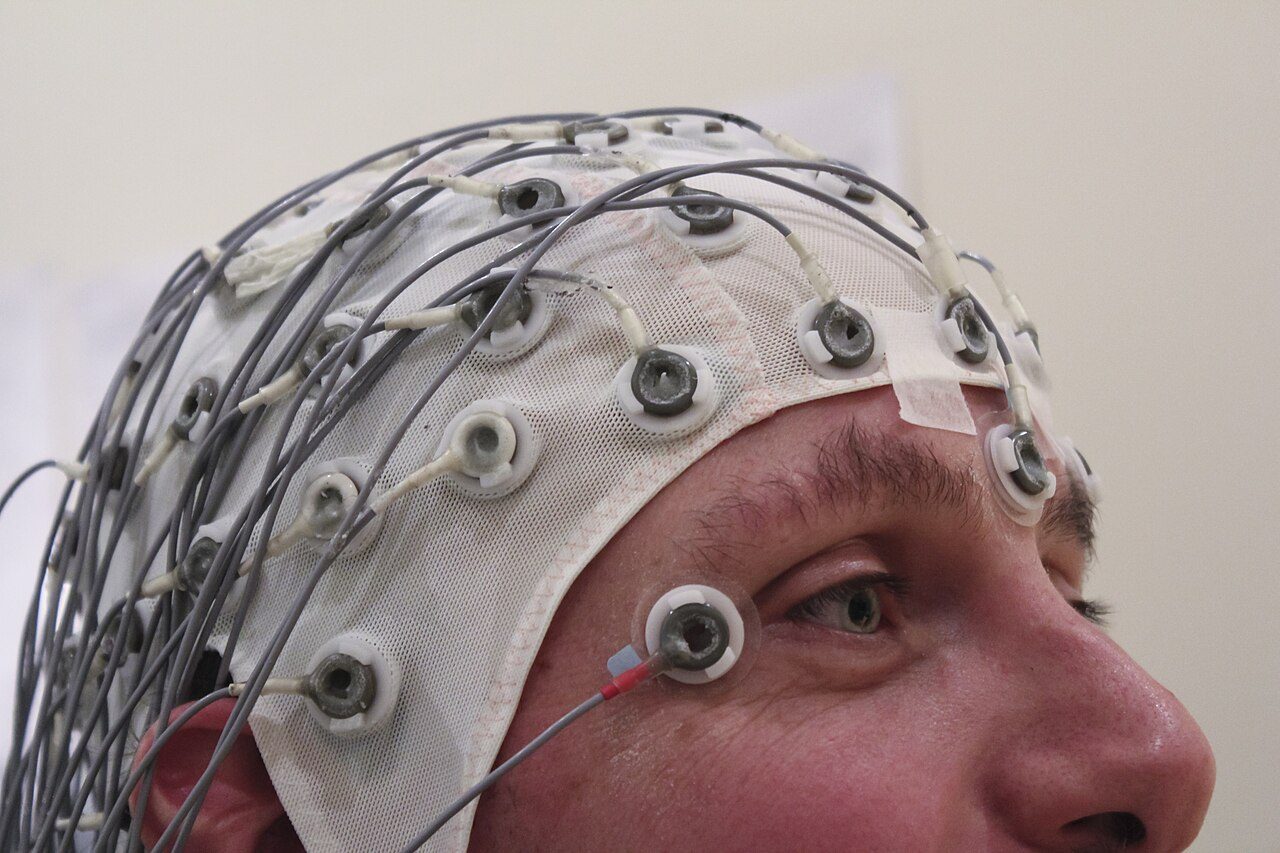 Methods · Recording brain waves from the scalp.
Electroencephalography measures the summed electrical activity of cortical neurons with millisecond timing, used in sleep, epilepsy and cognition research.
 Endorphin/en-DOR-fin/Chemistry · The body's own opioid.
A neuropeptide that acts on opioid receptors to dampen pain and contribute to reward and stress responses.
 Engram/EN-gram/Cognition · The physical trace of a memory.
The set of neurons and synaptic changes that store a particular memory; in mice, engram cells can be reactivated with light.
 Cognition · The brain's management skills.
Inhibition, working memory and cognitive flexibility, supporting planning and self-control; they depend on the prefrontal cortex.
F
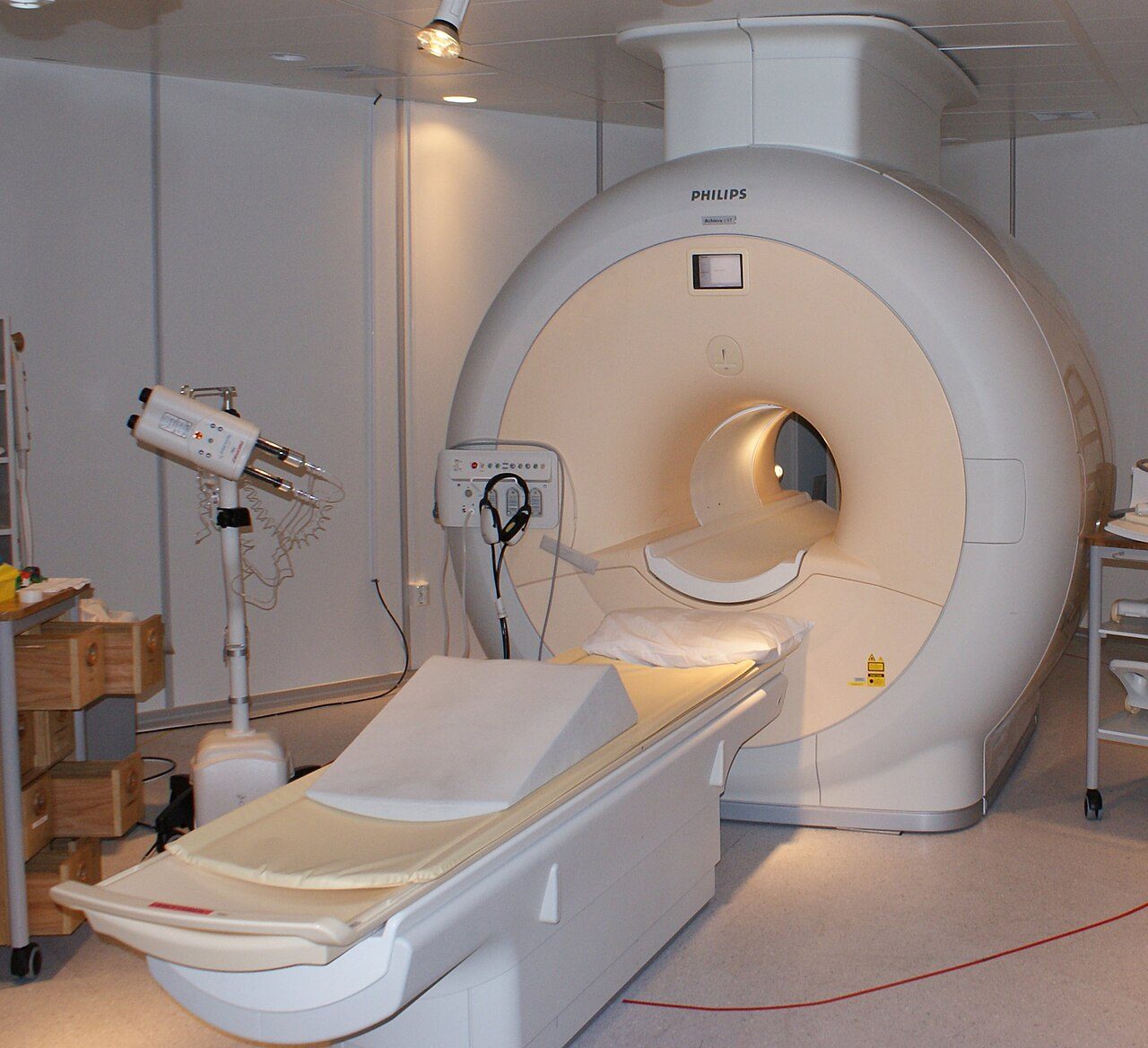 Methods · Imaging brain activity through blood oxygen.
Functional MRI tracks the BOLD signal — changes in blood oxygenation that follow neural activity — with millimetre resolution over seconds.
G
 GABA/GAB-uh/Chemistry · The brain's main inhibitory transmitter.
Gamma-aminobutyric acid, the main 'brake' of the brain; alcohol, benzodiazepines and many anaesthetics boost its receptors.
 Glia/GLEE-uh/Cells · The non-neuronal cells of the nervous system.
Astrocytes, oligodendrocytes, Schwann cells, microglia and ependymal cells, which support, insulate, feed and defend neurons.
-
Glutamate/GLOO-tuh-mate/Chemistry · The brain's main excitatory transmitter.
The amino acid used by most excitatory synapses; it drives learning through NMDA receptors but kills neurons in excess (excitotoxicity).
-
Anatomy · Brain tissue rich in cell bodies.
Tissue dominated by neuron cell bodies, dendrites and synapses, forming the cortex and deep nuclei; it looks grey compared with myelinated white matter.
 Cognition · Neuron firing in a triangular lattice across space.
Entorhinal cortex cells that fire at regularly spaced locations, forming a coordinate system for navigation; discovered by the Mosers in 2005.
-
Gyrus and sulcus/JY-rus / SUL-kus/Anatomy · The ridges and grooves of the cortex.
A gyrus is a ridge on the folded cortex and a sulcus a groove; folding lets a large cortical sheet fit inside the skull.
H
 Cognition · 'Cells that fire together wire together.'
Donald Hebb's 1949 rule that a connection strengthens when one neuron repeatedly helps fire another — a foundation of theories of learning.
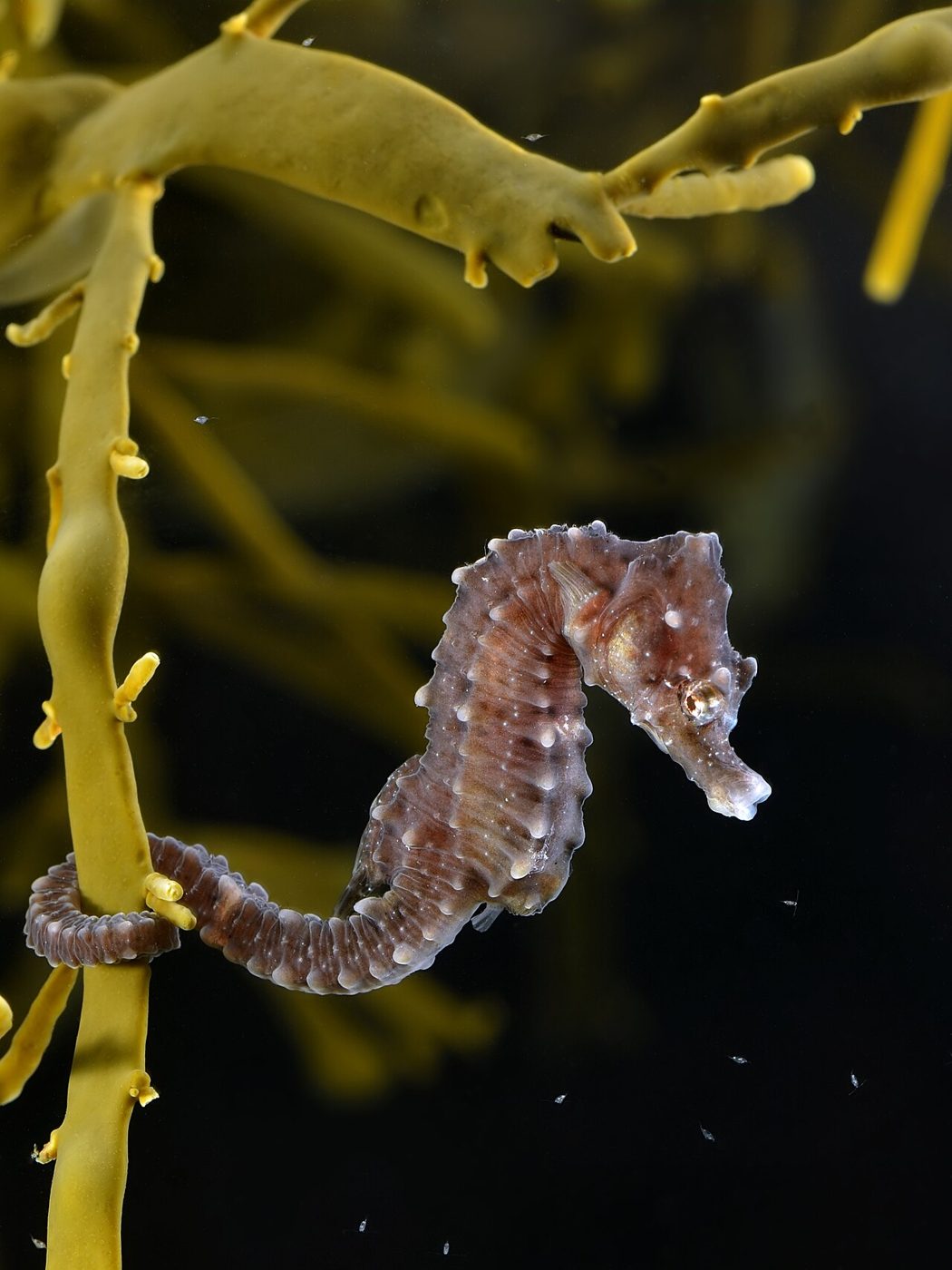 Hippocampus/hip-oh-KAM-pus/Anatomy · Seahorse-shaped structure for memory and maps.
A medial temporal lobe structure essential for forming new episodic and semantic memories and for spatial navigation.
 Homunculus/hoh-MUNG-kyuh-lus/Anatomy · The distorted body map in the cortex.
A figure drawn in proportion to the cortical area devoted to each body part — with huge hands and lips — mapped by Wilder Penfield.
 Hypothalamus/hy-poh-THAL-uh-mus/Anatomy · The body's homeostasis controller.
A small region regulating temperature, hunger, thirst, sleep, stress and hormones through the pituitary gland.
I
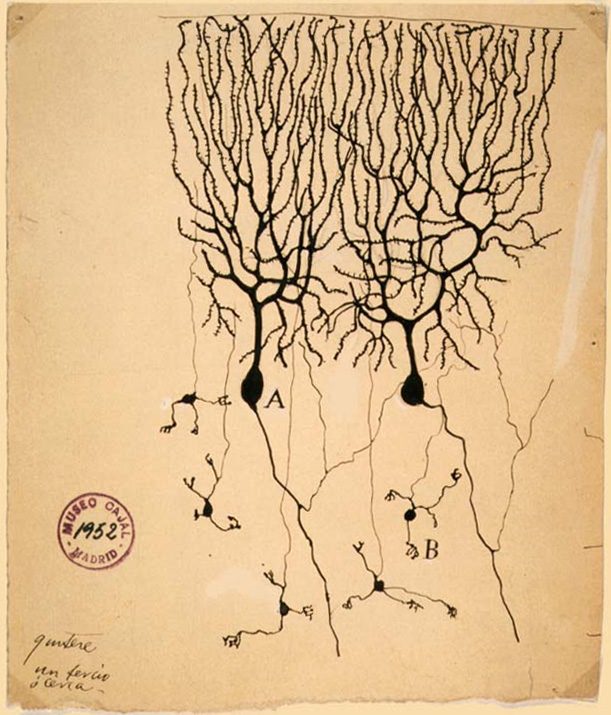 Cells · A neuron connecting other neurons.
A neuron that links sensory and motor neurons or other neurons within the CNS; many cortical interneurons are inhibitory and use GABA.
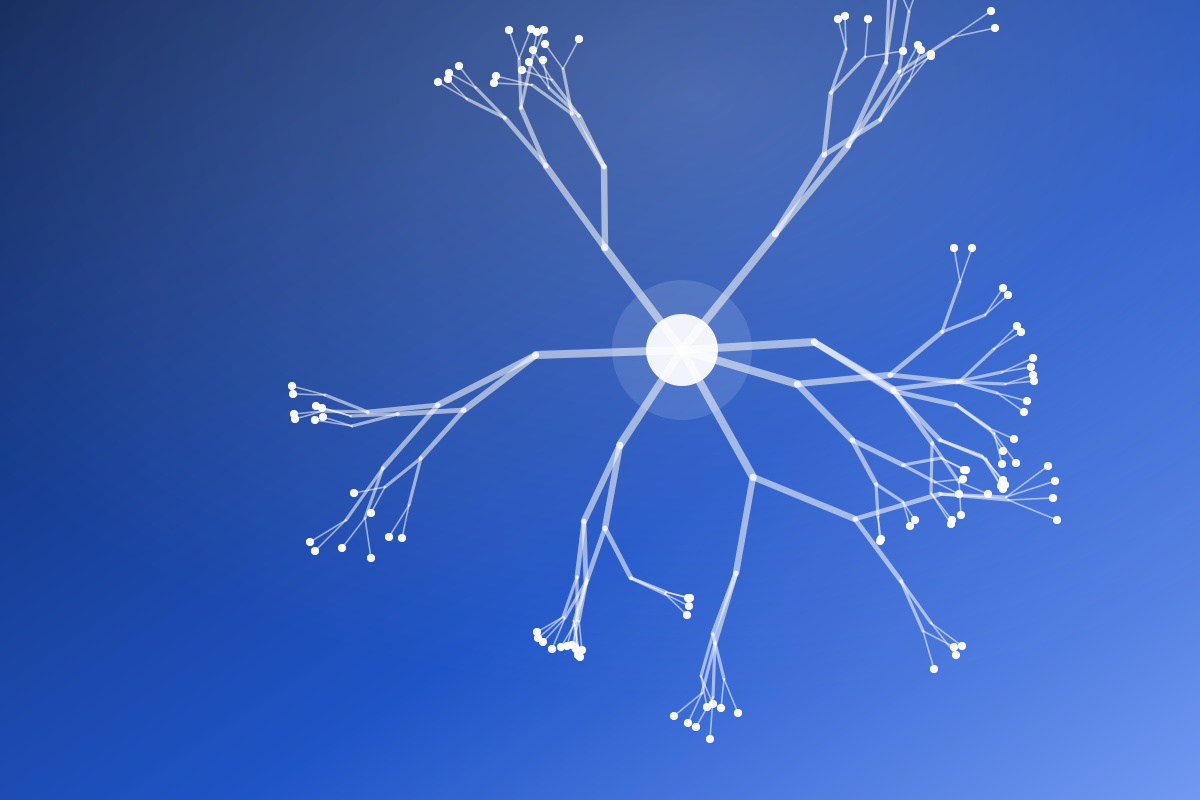 Interoception/in-ter-oh-SEP-shun/Senses · Sensing the body's internal state.
Perception of heartbeat, breathing, hunger and other internal signals, processed in the insula and important for emotion.
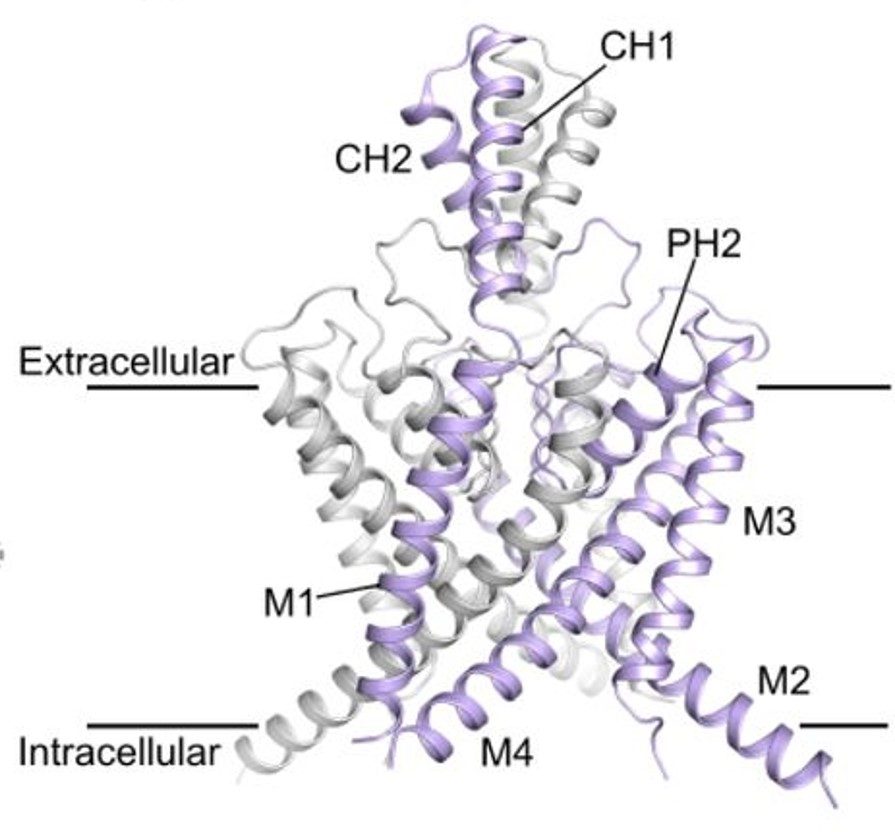 Signaling · A protein pore that lets ions cross membranes.
Selective pores that open in response to voltage, chemicals, stretch or temperature, underlying every electrical signal in neurons.
L
-
Cognition · Lasting strengthening of synapses.
LTP, discovered by Bliss and Lømo in 1973, is an activity-dependent increase in synaptic strength and a leading cellular model of memory.
M
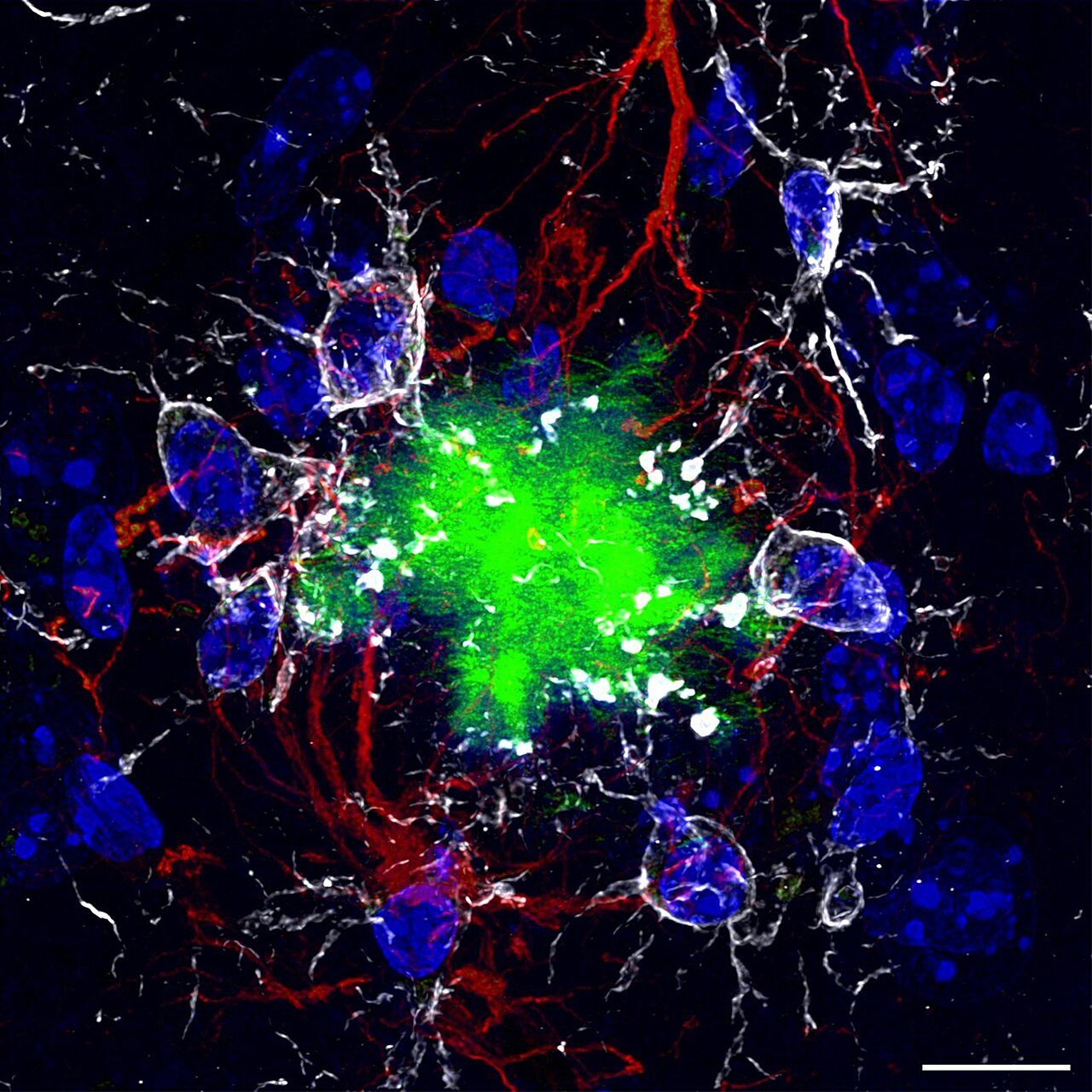 Microglia/my-KROG-lee-uh/Cells · The brain's resident immune cells.
Glial cells that patrol the brain, engulf debris and prune synapses; many Alzheimer's risk genes act in them.
-
Anatomy · Strip of cortex that commands movement.
The primary motor cortex on the precentral gyrus sends commands to muscles on the opposite side of the body, arranged as a body map.
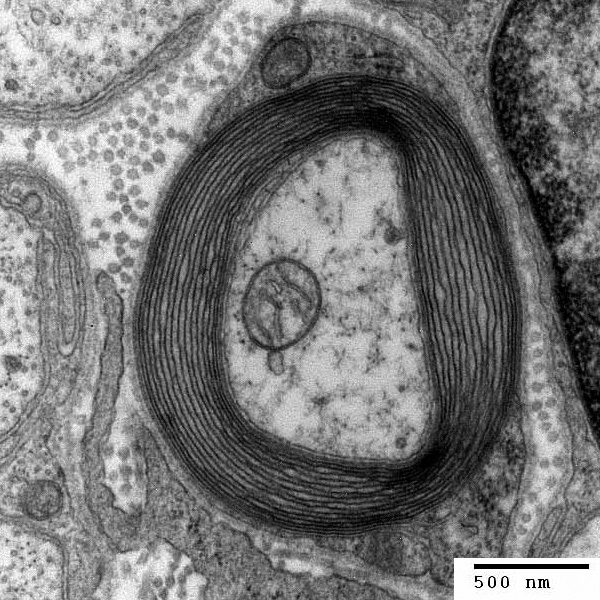 Myelin/MY-uh-lin/Cells · Fatty insulation around axons.
Layers of membrane wrapped around axons by oligodendrocytes and Schwann cells, enabling fast saltatory conduction.
N
 Development · The birth of new neurons.
The production of neurons from progenitor cells — massive before birth and debated in the adult human hippocampus.
-
Neuron/NYOOR-on/Cells · The nerve cell — the brain's signalling unit.
A cell specialised to receive, integrate and transmit electrical and chemical signals via dendrites, cell body and axon.
-
Development · The brain's ability to change.
Changes in synapses, structure and maps in response to experience, learning and injury, continuing throughout life.
 Chemistry · A chemical messenger released at synapses.
Molecules such as glutamate, GABA, dopamine and serotonin that neurons release to influence other cells.
 Signaling · Glutamate receptor that detects coincidence.
An ion channel opening only with glutamate plus depolarisation, letting in calcium that triggers learning; blocked by ketamine.
 Nociceptor/NOH-see-sep-ter/Senses · A sensor for potentially harmful stimuli.
Free nerve endings that respond to intense pressure, extreme temperature and chemicals from damaged tissue, starting the pain pathway.
 Node of Ranvier/RAHN-vee-ay/Cells · A gap in the myelin sheath.
Short unmyelinated stretches of axon packed with sodium channels, where the action potential is regenerated as it jumps along.
 Chemistry · Transmitter of arousal and alertness.
Also called norepinephrine; released by the locus coeruleus in the brain and by sympathetic nerves for fight-or-flight.
O
-
Oligodendrocyte/OL-ih-goh-DEN-droh-site/Cells · Glial cell that myelinates CNS axons.
A glial cell in the brain and spinal cord that wraps segments of many axons in myelin.
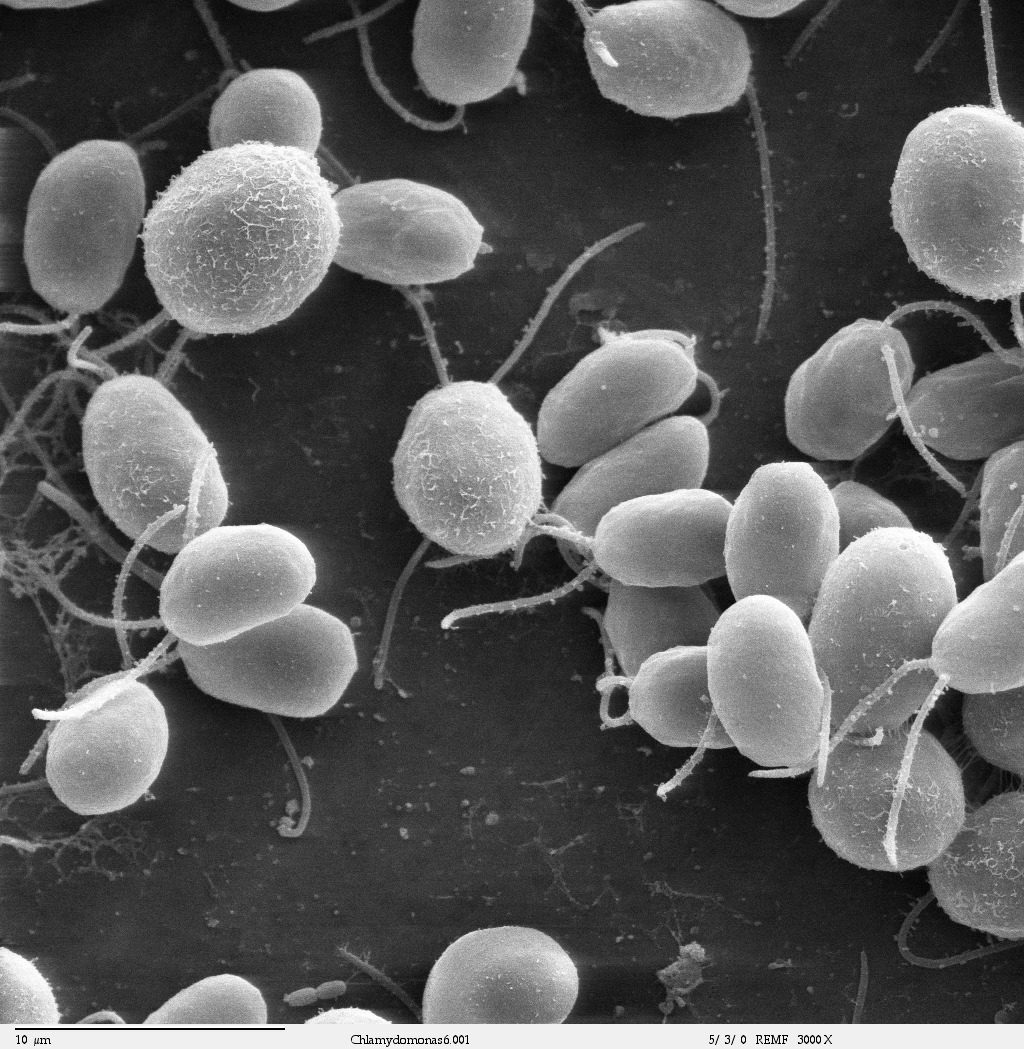 Methods · Controlling neurons with light.
Inserting light-sensitive opsins into specific neurons so they can be switched on or off by flashes of light in milliseconds.
P
-
Cognition · Neuron that fires in one location.
Hippocampal neurons that fire when an animal is in a particular place, discovered by John O'Keefe in 1971.
-
Anatomy · Front of the brain for planning and control.
The front part of the frontal lobe supporting working memory, planning, impulse control, decisions and social behaviour.
 Proprioception/proh-pree-oh-SEP-shun/Senses · The sense of where your body is.
Information from muscle spindles, tendon organs and joints that tells the brain the position and movement of the limbs.
R
-
Signaling · A protein that detects a chemical signal.
Proteins on cells that bind neurotransmitters or drugs — either ion channels (ionotropic) or G-protein-coupled (metabotropic).
 Movement · A fast automatic response.
A stereotyped response organised in the spinal cord or brainstem, such as the knee jerk or pulling away from heat.
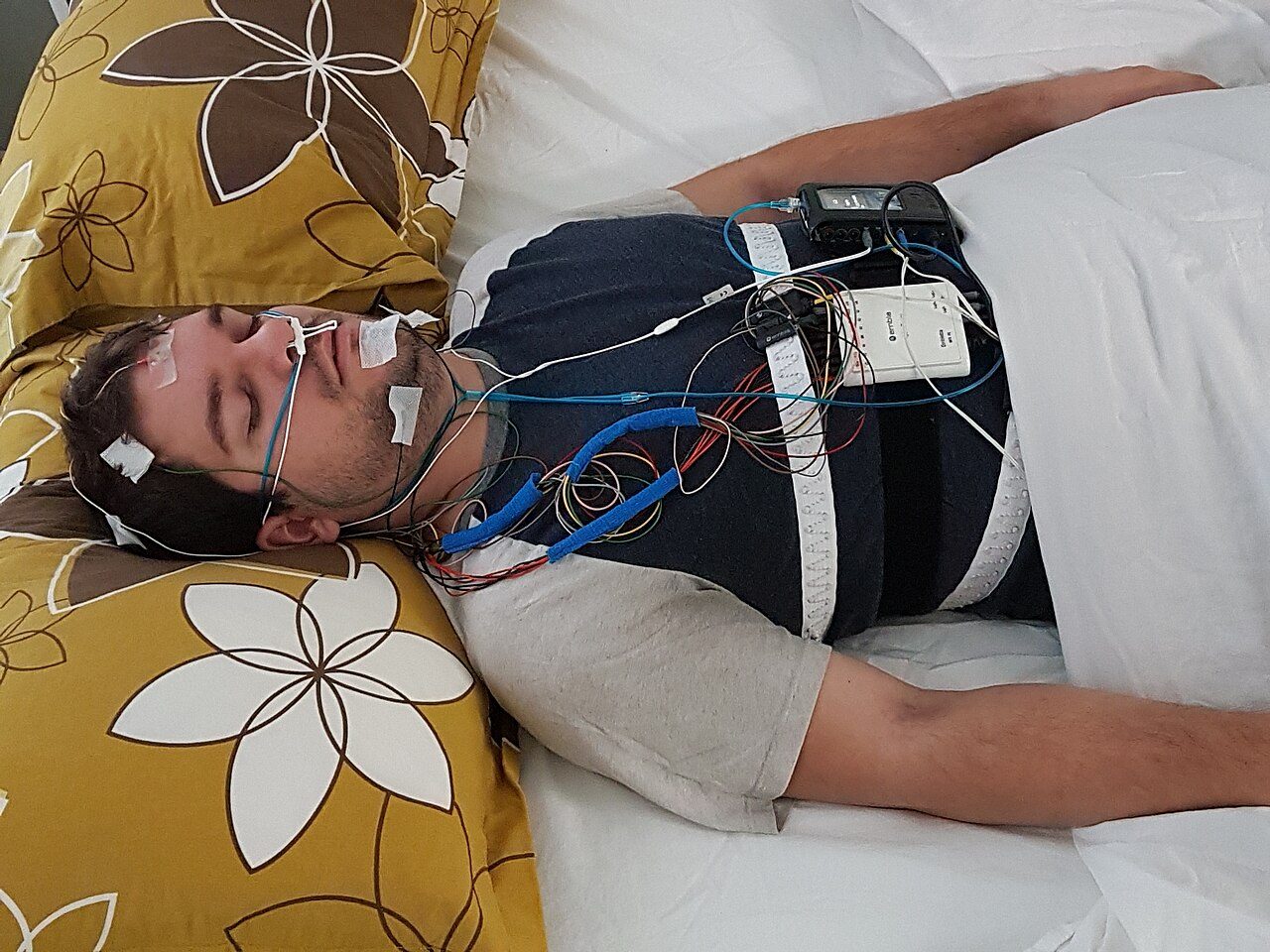 Sleep · The sleep stage of vivid dreams.
Rapid eye movement sleep, with wake-like brain waves, vivid dreams and muscle paralysis, discovered in 1953.
 Signaling · A neuron's baseline voltage (about −70 mV).
The voltage across a resting neuron's membrane, set mainly by potassium leaking out and maintained by the sodium-potassium pump.
-
Chemistry · The gap between expected and actual reward.
A learning signal carried by dopamine neurons: a burst for better-than-expected outcomes, a dip for worse.
S
-
Saltatory conduction/SAL-tuh-tor-ee/Signaling · Signals 'jumping' along myelinated axons.
The regeneration of the action potential only at nodes of Ranvier, making conduction much faster and more efficient.
 Serotonin/ser-uh-TOH-nin/Chemistry · Transmitter for mood, sleep and appetite.
A monoamine (5-HT) from the raphe nuclei with at least 14 receptor types; target of SSRIs and psychedelics.
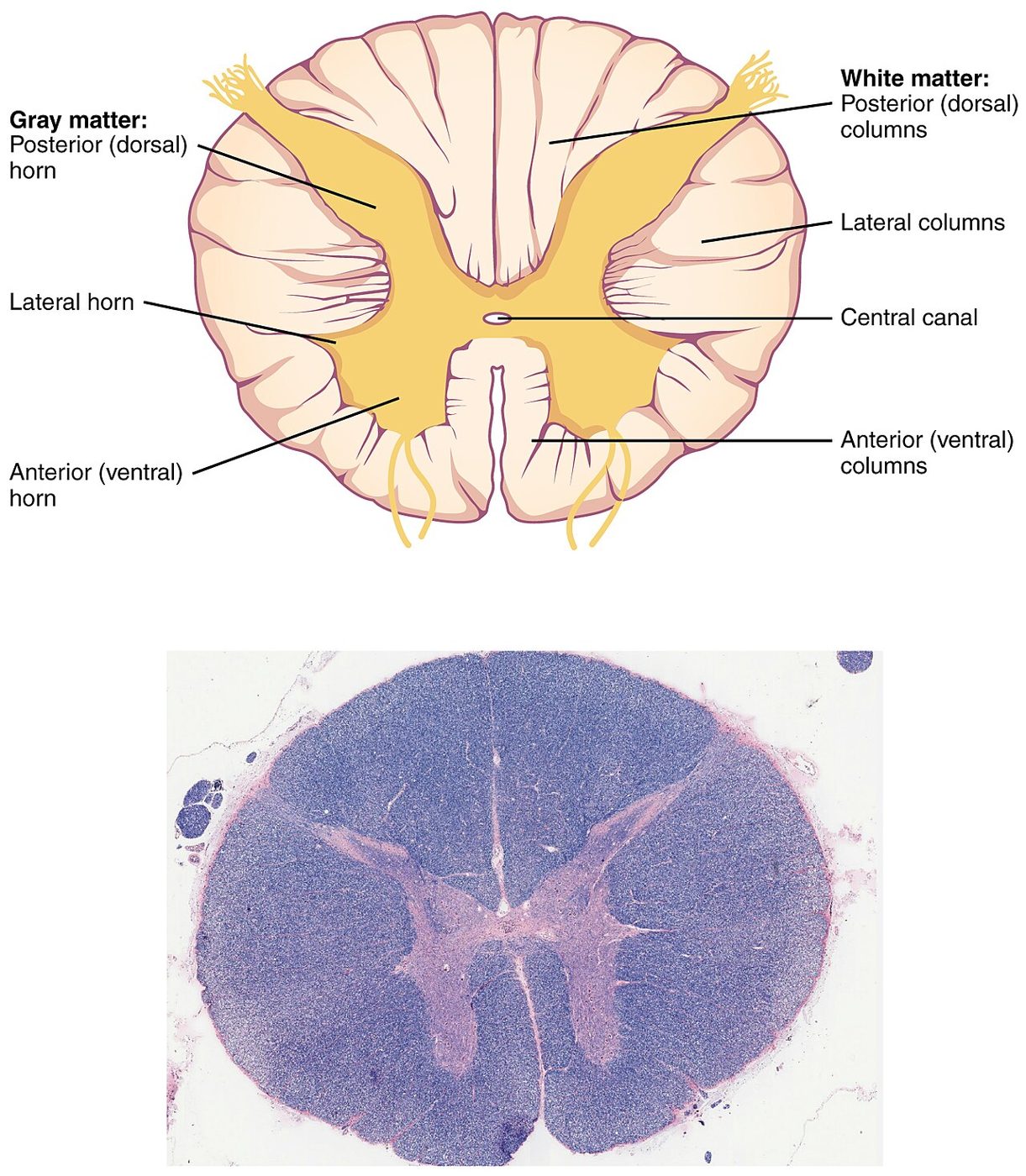 Anatomy · The cable between brain and body.
A column of nervous tissue in the spine carrying signals and organising reflexes and walking rhythms, with 31 pairs of spinal nerves.
 Synapse/SIN-aps/Signaling · The junction where neurons communicate.
A presynaptic terminal, a narrow cleft and a postsynaptic membrane with receptors; named by Charles Sherrington in 1897.
 Development · Removal of unused connections.
The elimination of weak or inactive synapses during childhood and adolescence, partly carried out by microglia.
T
 Thalamus/THAL-uh-mus/Anatomy · The brain's sensory relay and gate.
Paired structures relaying all senses except smell to the cortex and helping regulate attention, sleep and consciousness.
V
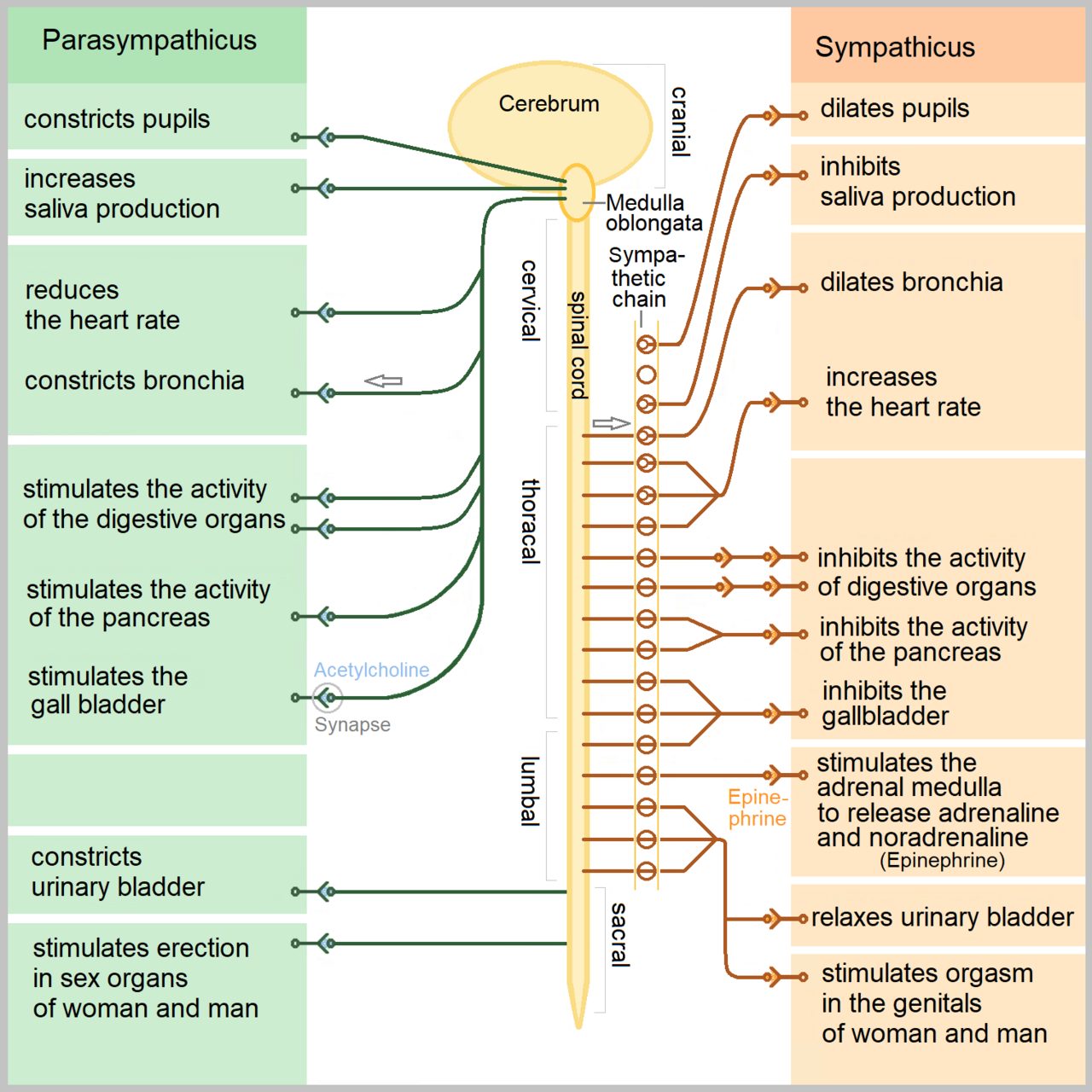 Vagus nerve/VAY-gus/Anatomy · The great wandering nerve.
Cranial nerve X, linking the brainstem to the heart, lungs and gut and carrying most parasympathetic fibres.
W
-
Wernicke's area/VER-nih-kuhz/Anatomy · Left temporal region for understanding speech.
Part of the left superior temporal gyrus important for language comprehension, described by Carl Wernicke in 1874.
-
Anatomy · The brain's myelinated wiring.
Tissue made mostly of myelinated axons connecting brain regions; its fat-rich myelin gives it a pale colour.
 Cognition · Holding information in mind briefly.
A limited system (about four chunks) for keeping and manipulating information for seconds, relying on prefrontal and parietal cortex.