The learning path
All 183 entries, arranged from Beginner to Advanced. Start at the top, in any topic that grabs you. Every article tells you which concepts to read first, so you can always step back down a rung.
1
83 entries
Beginner
No background needed. Everyday language, everyday examples — the place to start.
 Neuroscience Foundations
Beginner
What Is Neuroscience?
Neuroscience is the scientific study of the nervous system — the brain, spinal cord and nerves — and of how its cells and circuits produce everything from a heartbeat to a memory.
October 10, 2026 · 3 min read
 Neuroscience Foundations
Beginner
The Branches of Neuroscience
From molecules to minds: a map of the sub-fields of neuroscience — molecular, cellular, systems, cognitive, computational, clinical and more — and what each one actually studies.
July 16, 2026 · 2 min read
 Neuroscience Foundations
Beginner
The Nervous System at a Glance
The body's wiring in one page: the central nervous system (brain and spinal cord), the peripheral nervous system, and its somatic and autonomic divisions.
May 22, 2026 · 2 min read
 Neuroscience Foundations
Beginner
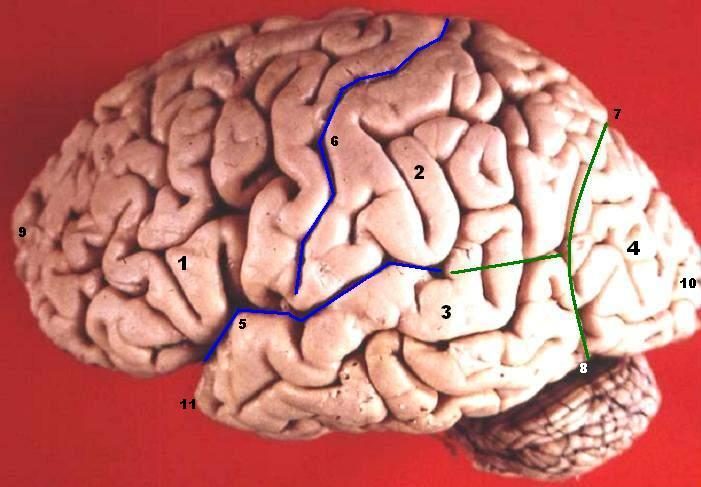
The Brain by the Numbers
About 86 billion neurons, roughly as many glial cells, around 1.4 kilograms, and a fifth of the body's energy: the headline statistics of the human brain — and where the numbers come from.
January 6, 2026 · 3 min read
 Neuroscience Foundations
Beginner
Brain Myths, Debunked
No, you don't use only 10% of your brain — and you aren't 'left-brained' or 'right-brained' either. A tour of the most popular brain myths and what the science actually says.
December 14, 2025 · 3 min read
 History of Neuroscience
Beginner
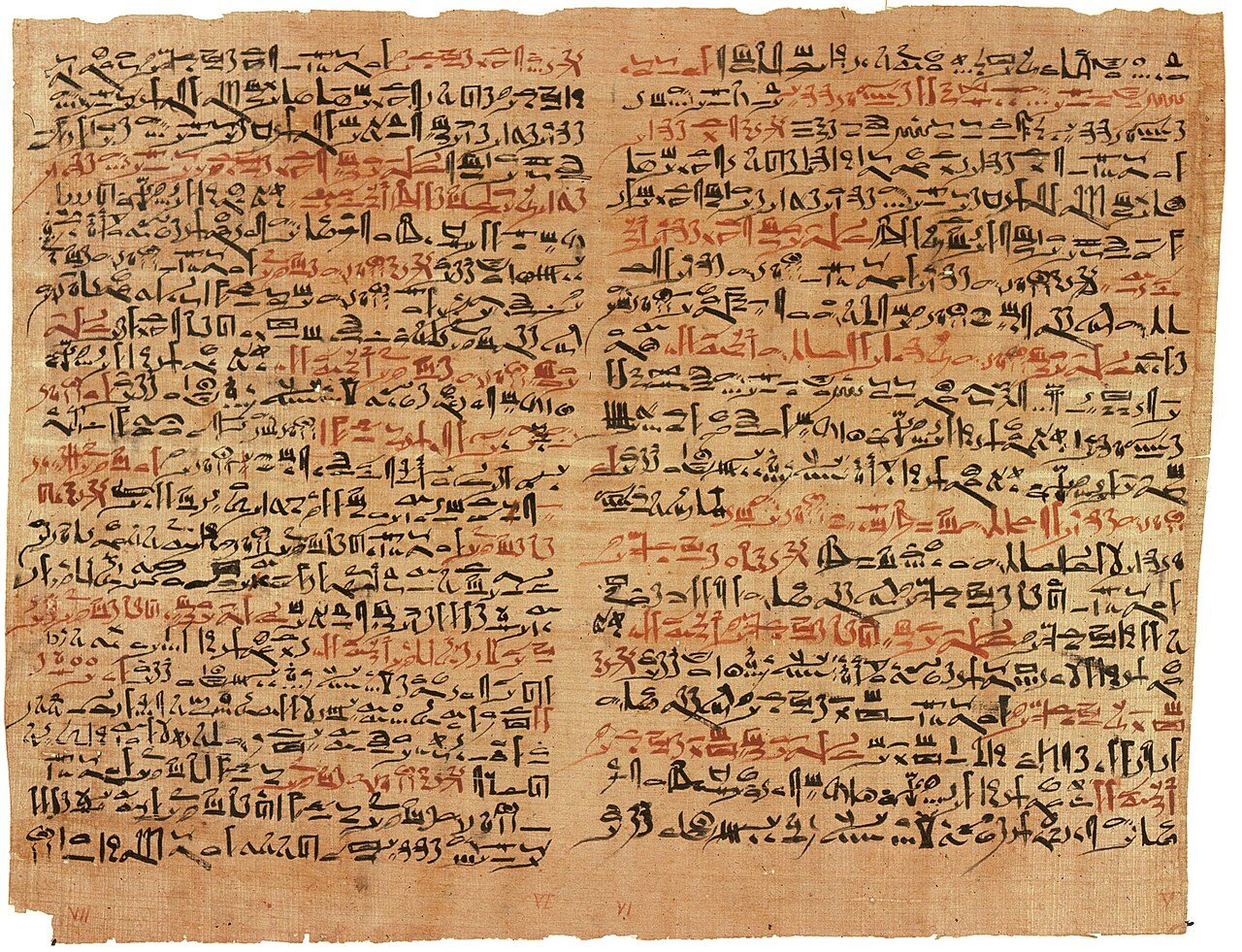
Ancient Egypt and the Edwin Smith Papyrus
The oldest known written description of the brain comes from an Egyptian surgical text copied around 1600 BCE — a practical trauma manual that noticed head injuries could paralyse the body.
August 31, 2026 · 2 min read
 History of Neuroscience
Beginner
Greek and Roman Ideas About the Brain
Alcmaeon put the mind in the head, Hippocrates called epilepsy a brain disorder, Aristotle bet on the heart, Alexandrian anatomists traced the nerves, and Galen proved it with pigs.
March 15, 2026 · 2 min read
 History of Neuroscience
Beginner
Medieval and Islamic Brain Science
From the 'cell doctrine' that housed imagination, reason and memory in the brain's ventricles to Ibn al-Haytham's optics and Ibn Sina's medicine — how ideas about the brain were preserved and extended between antiquity and the Renaissance.
May 7, 2026 · 2 min read
 History of Neuroscience
Beginner
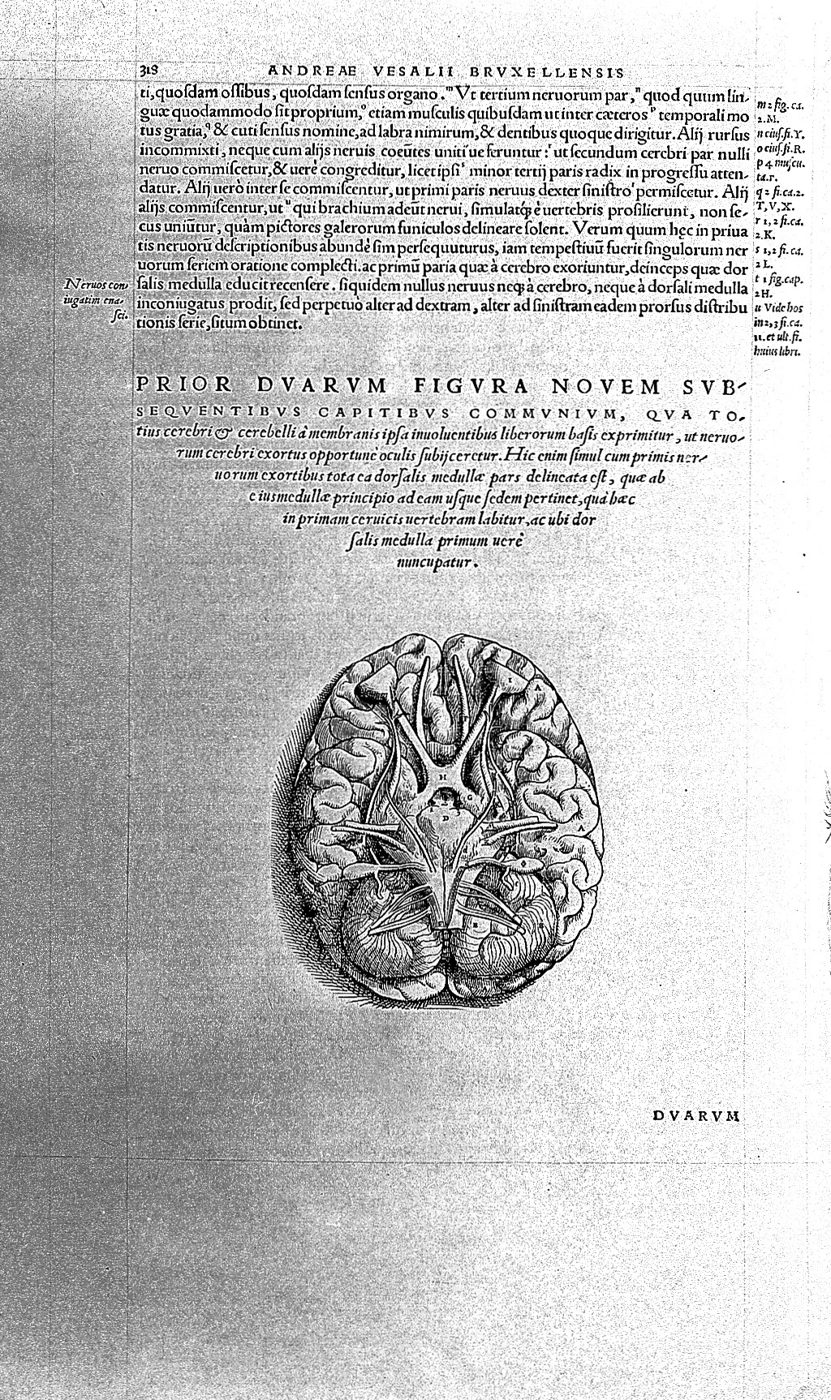
Vesalius, Willis and the Renaissance Brain
Andreas Vesalius corrected Galen by looking for himself; Thomas Willis turned attention from the ventricles to the brain tissue itself and coined the word 'neurology'.
August 27, 2026 · 2 min read
 History of Neuroscience
Beginner
Galvani and Animal Electricity
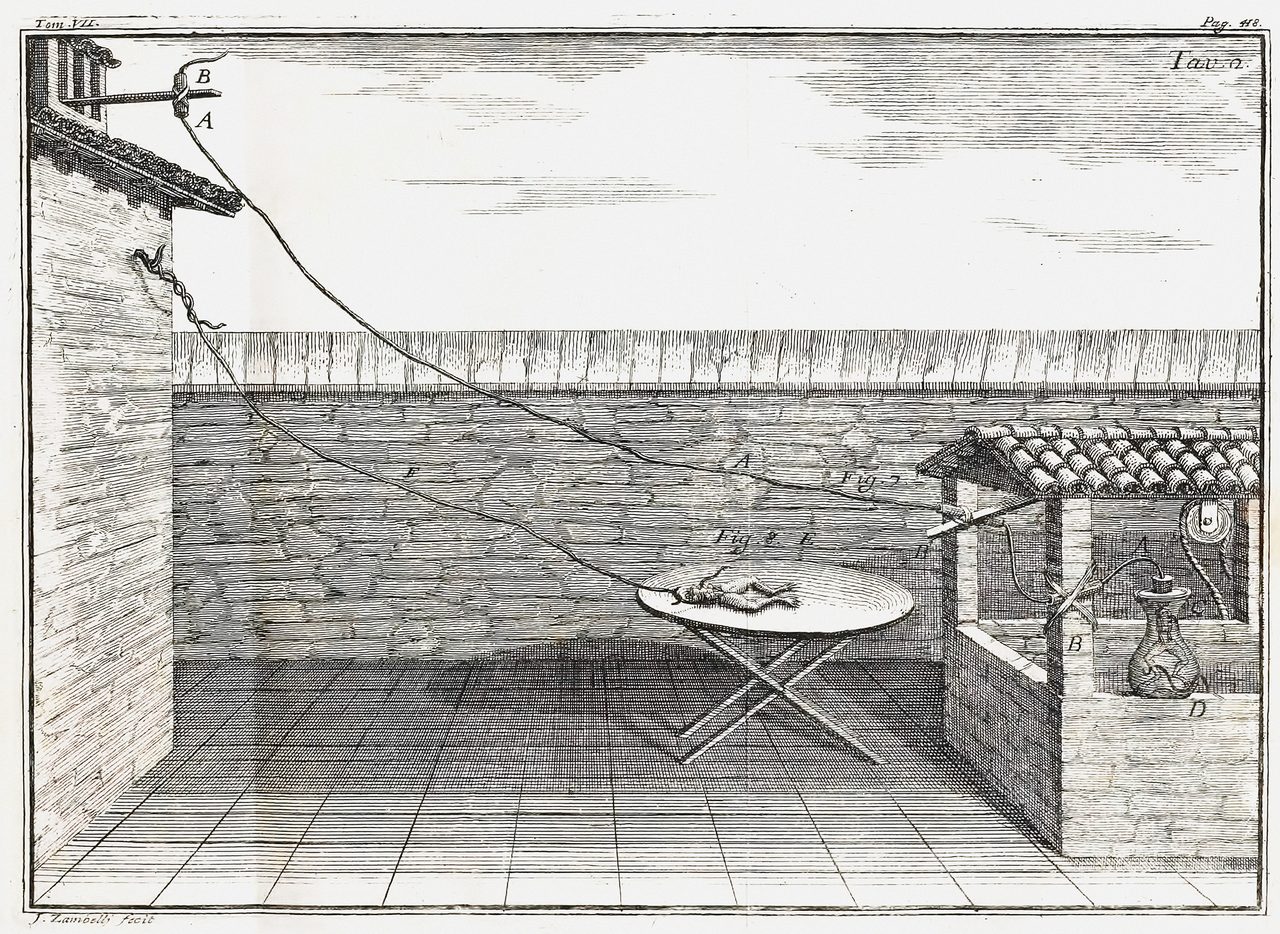
Twitching frog legs in 18th-century Bologna revealed that nerves and muscles run on electricity — sparking a feud that gave us the battery and, eventually, the action potential.
December 2, 2025 · 2 min read
 History of Neuroscience
Beginner
Phrenology and the Localization Debate
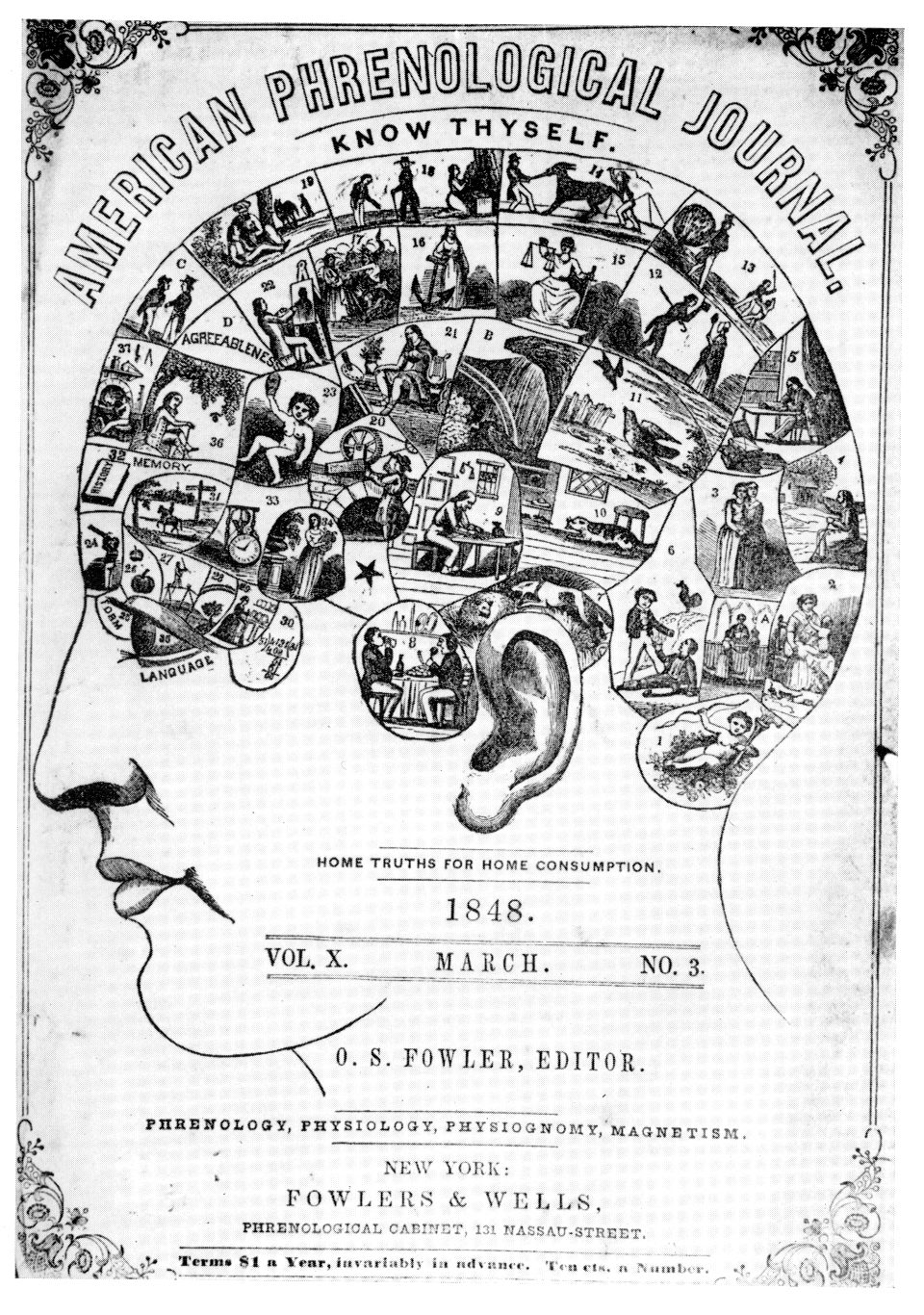
Bumps on the skull, ablated pigeons and electrified dog brains: how the 19th century argued over whether different parts of the brain do different jobs.
November 30, 2025 · 2 min read
 History of Neuroscience
Beginner
Broca, Wernicke and the Language Areas
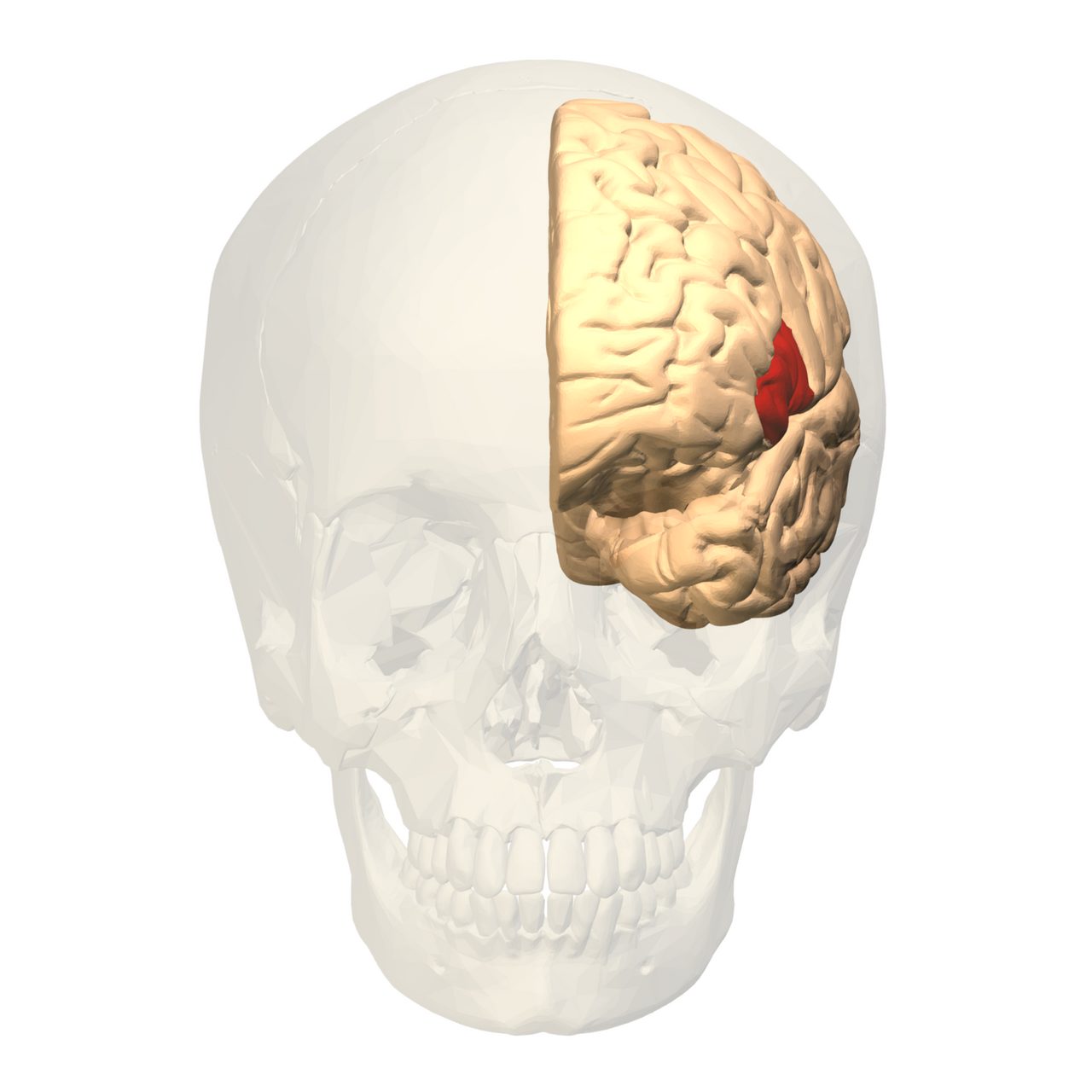
A patient who could only say 'tan', and another who spoke fluently but made no sense: how two 19th-century neurologists discovered that language lives largely in the left hemisphere.
May 17, 2026 · 3 min read
 History of Neuroscience
Beginner
Phineas Gage
In 1848 an iron rod blasted through a railway foreman's head. He survived — but 'was no longer Gage'. The most famous case in neuroscience, and how its story grew in the telling.
January 7, 2026 · 2 min read
 History of Neuroscience
Beginner
Patient H.M. and the Science of Memory
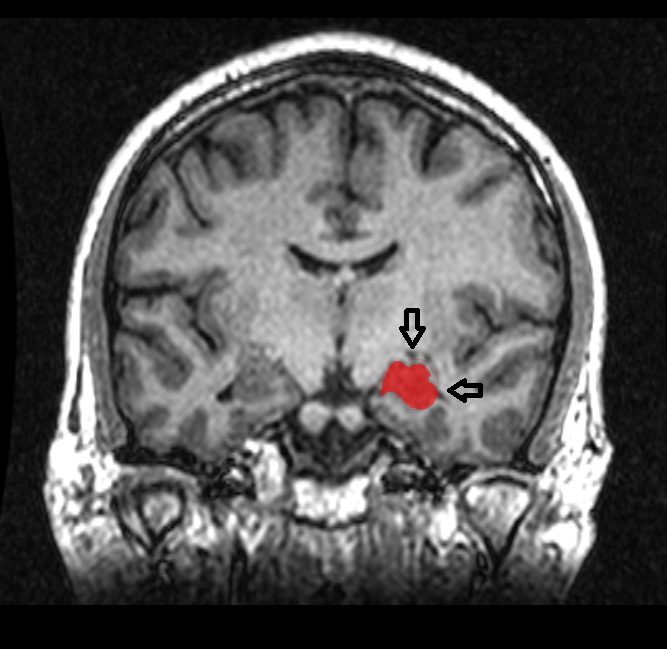
Henry Molaison lost the ability to form new memories after brain surgery in 1953 — and over five decades of testing taught science that memory is not one thing and depends on the hippocampus.
January 27, 2026 · 2 min read
 History of Neuroscience
Beginner
The Birth of Modern Neuroscience
From the founding of the Society for Neuroscience in 1969 through the 'Decade of the Brain', brain imaging, genetics and the BRAIN Initiative: how neuroscience became one of science's biggest fields.
July 24, 2026 · 2 min read
 Pioneers & Nobel Laureates
Beginner
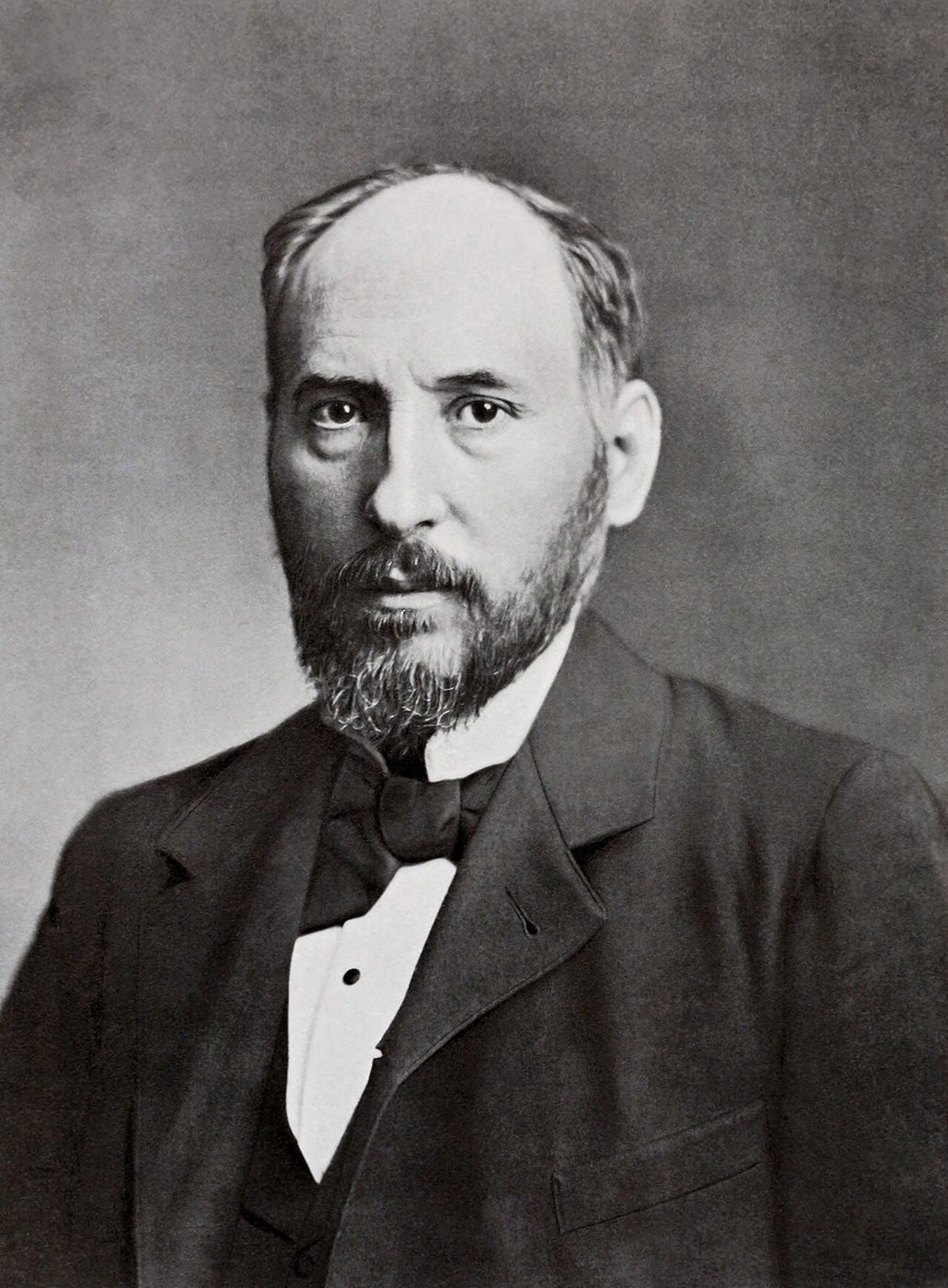
Santiago Ramón y Cajal
The would-be artist from rural Spain who became the father of modern neuroscience — proving that the brain is made of separate cells and drawing them with unmatched beauty.
February 9, 2026 · 2 min read
 Pioneers & Nobel Laureates
Beginner
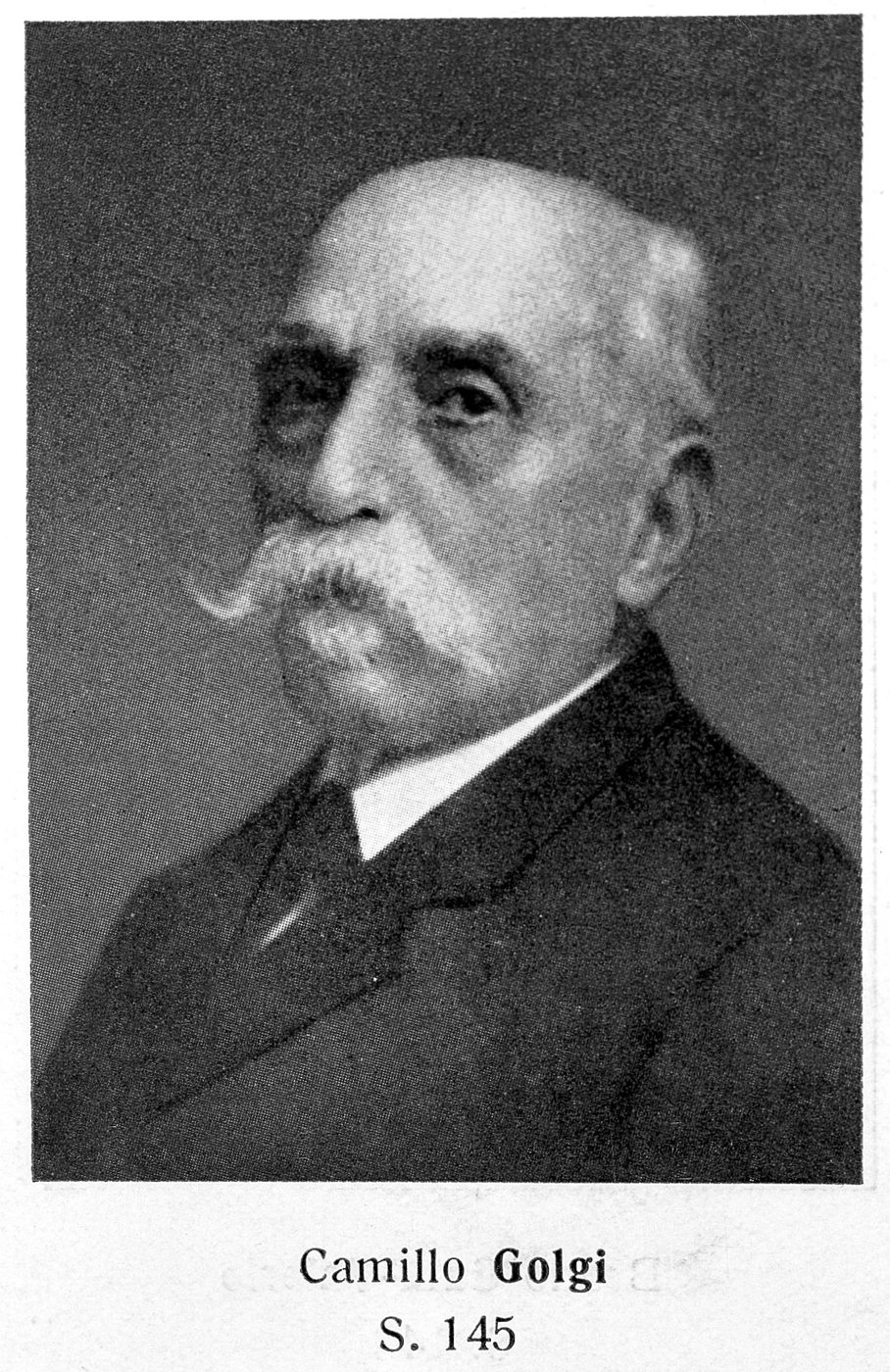
Camillo Golgi
The Italian physician whose 'black reaction' stain made individual neurons visible for the first time — and who, ironically, used it to defend the wrong theory.
December 12, 2025 · 2 min read
 Pioneers & Nobel Laureates
Beginner
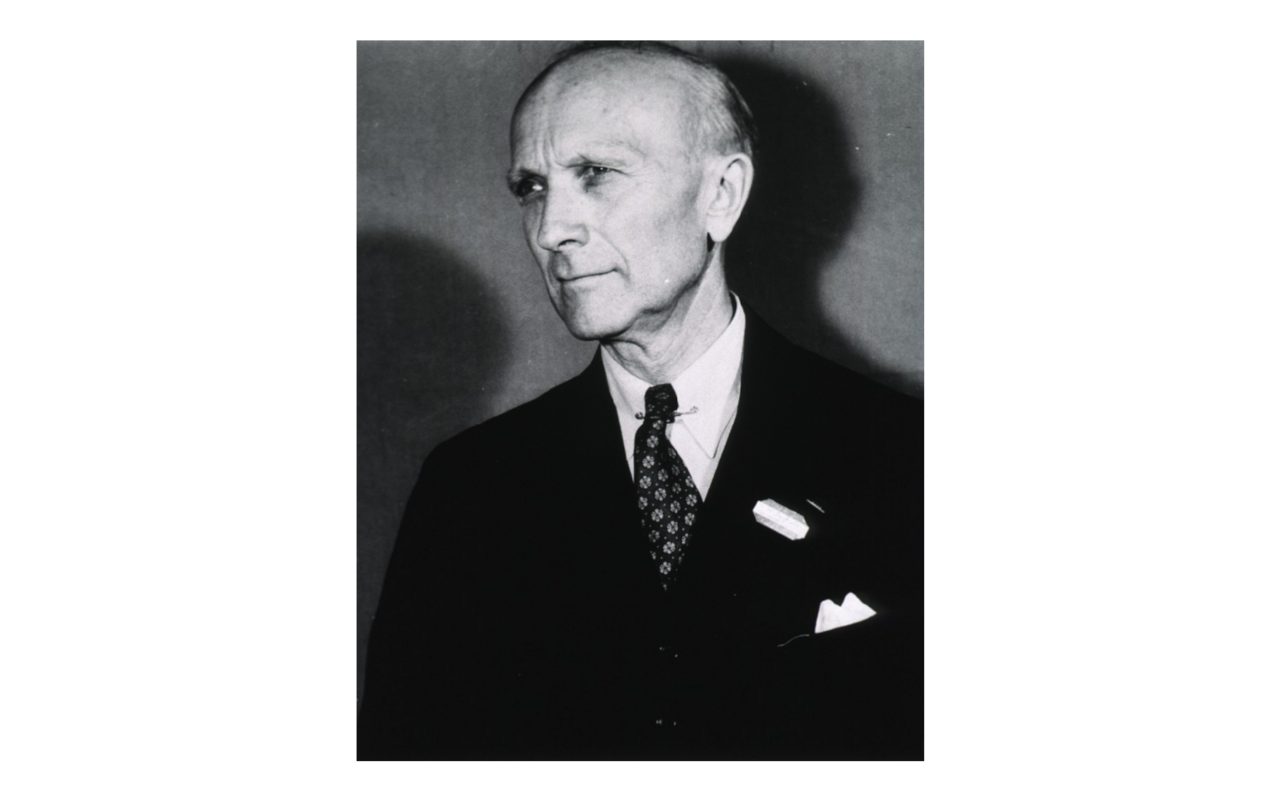
Wilder Penfield
The neurosurgeon who mapped the human cortex in awake patients, gave us the 'homunculus', and built the Montreal Neurological Institute.
February 22, 2026 · 2 min read
 Pioneers & Nobel Laureates
Beginner
Brenda Milner
The founder of neuropsychology whose patient studies — above all of Henry Molaison — showed that memory comes in different kinds handled by different parts of the brain.
August 5, 2026 · 2 min read
 Pioneers & Nobel Laureates
Beginner
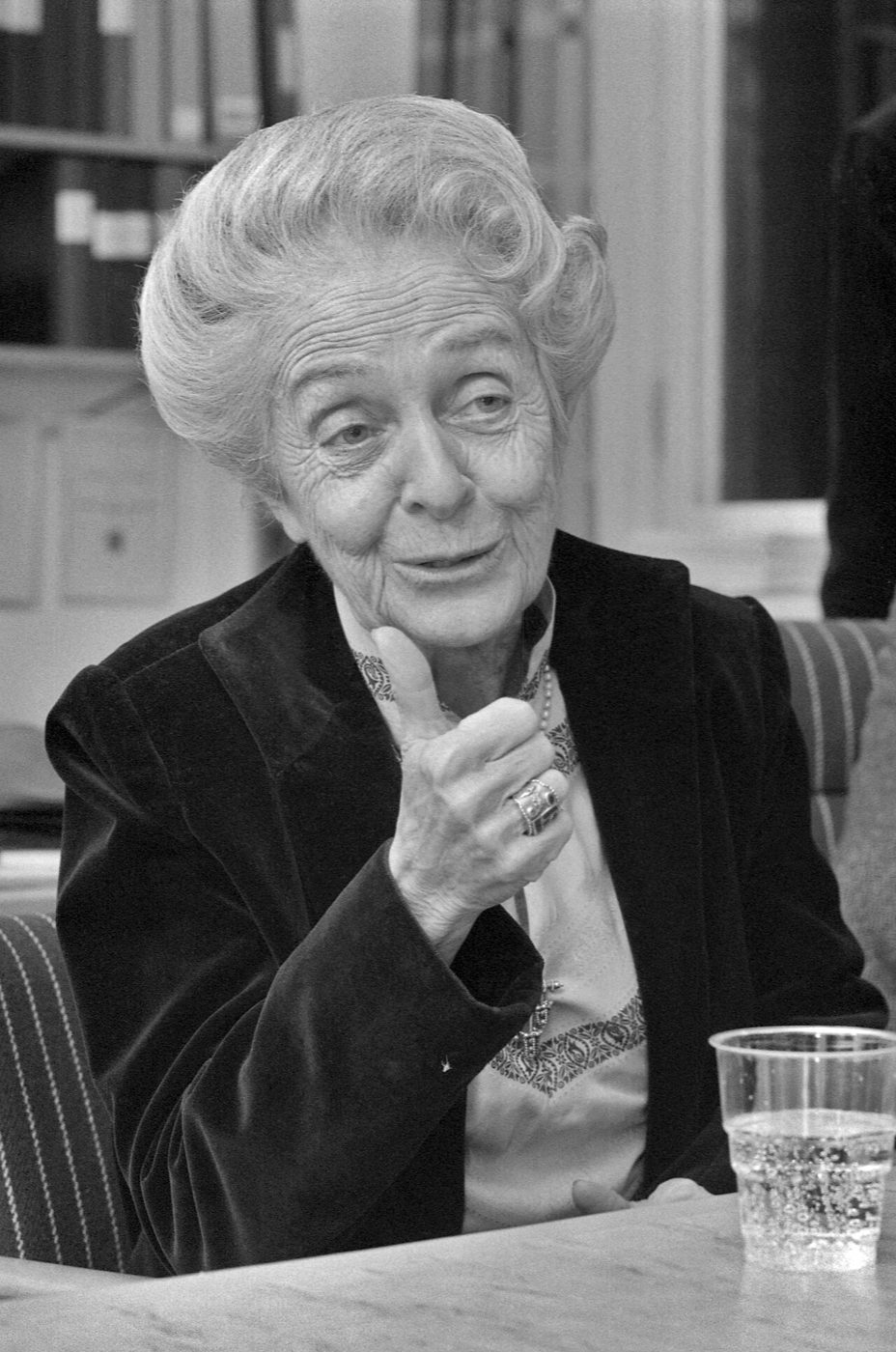
Rita Levi-Montalcini
Barred from her university by fascist racial laws, she built a lab in her bedroom — and went on to discover nerve growth factor and win the Nobel Prize.
May 15, 2026 · 2 min read
 Pioneers & Nobel Laureates
Beginner
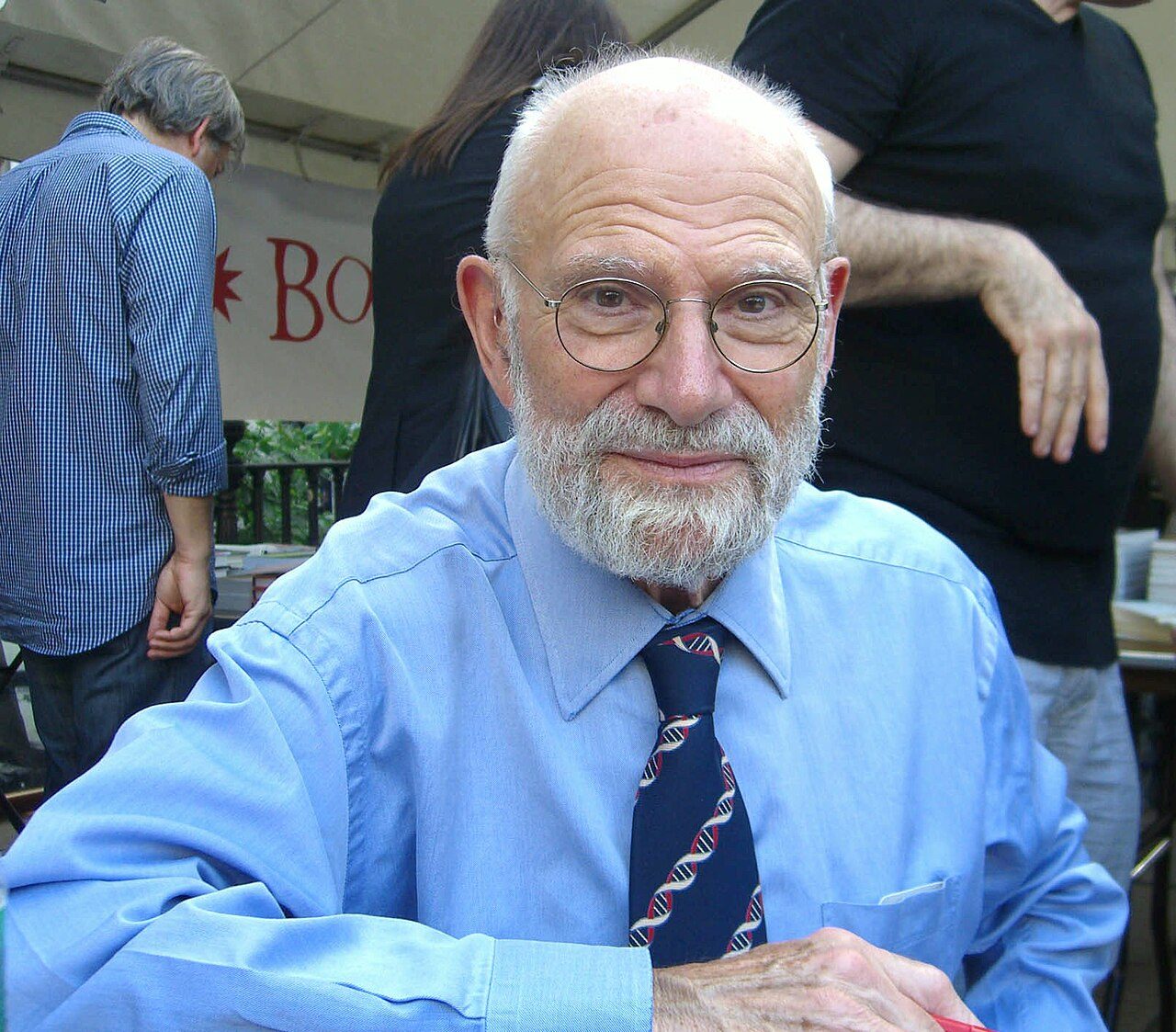
Oliver Sacks and the Art of the Case Study
The neurologist-writer whose books — Awakenings, The Man Who Mistook His Wife for a Hat — brought the inner lives of patients with neurological conditions to millions of readers.
June 26, 2026 · 2 min read
 Pioneers & Nobel Laureates
Beginner
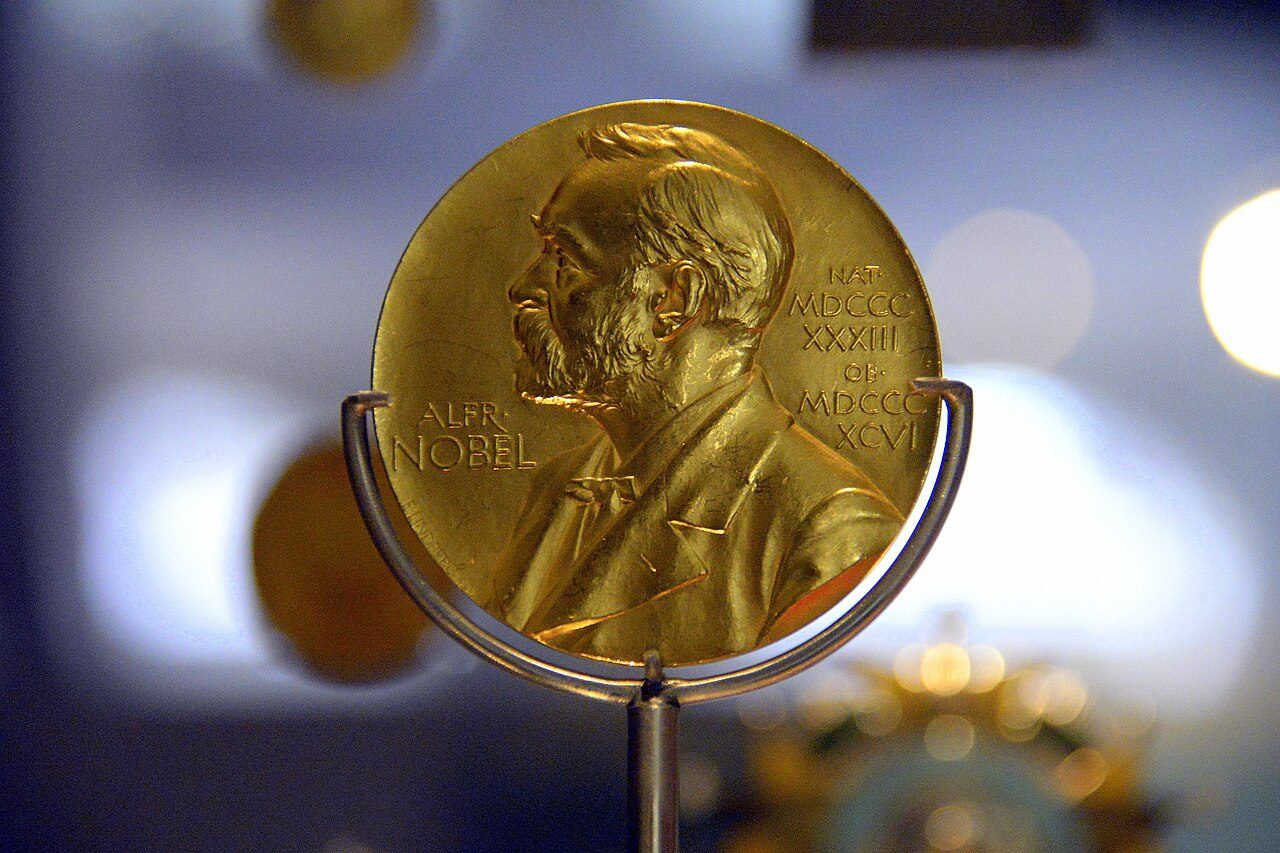
Nobel Prizes in Neuroscience: A Timeline
From Golgi and Cajal in 1906 to the receptors for heat and touch in 2021 — the Nobel Prizes that mark the major discoveries about the nervous system.
June 16, 2026 · 2 min read
 Cells of the Nervous System
Beginner
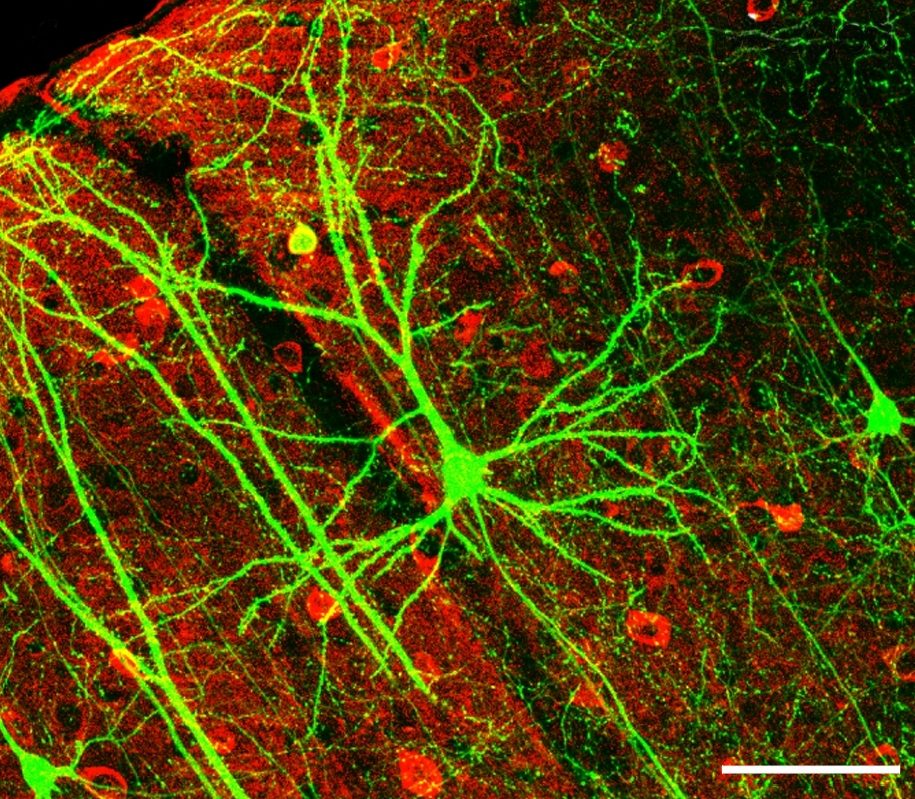
The Neuron
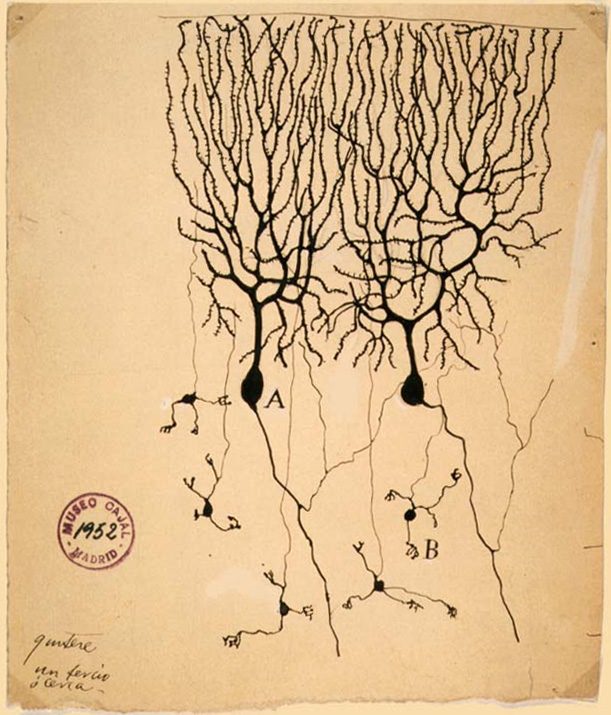
The nerve cell is the basic signalling unit of the nervous system: dendrites gather inputs, the cell body integrates them, and the axon sends an electrical pulse to other cells.
November 6, 2025 · 2 min read
 Cells of the Nervous System
Beginner
Types of Neurons
Sensory neurons, motor neurons and interneurons; pyramidal cells, Purkinje cells and granule cells — how neurons are classified by job, by shape and by the genes they use.
April 26, 2026 · 2 min read
 Cells of the Nervous System
Beginner
Glial Cells: The Other Half of the Brain
Long dismissed as 'glue', glial cells — astrocytes, oligodendrocytes, Schwann cells, microglia and ependymal cells — insulate, feed, clean, defend and even help shape communication between neurons.
January 28, 2026 · 2 min read
 Neural Signaling
Beginner
How Neurons Communicate: The Big Picture
Electrical inside the cell, chemical between cells: a one-page overview of how a neuron receives, decides, fires and passes on a message.
August 1, 2026 · 2 min read
 Neural Signaling
Beginner
The Synapse
The junction where one neuron passes its message to another: the presynaptic terminal, the 20-nanometre cleft, neurotransmitter release and the receptors waiting on the other side.
November 25, 2025 · 2 min read
 Neurotransmitters & Brain Chemistry
Beginner
Neurotransmitters: An Overview
The brain's chemical messengers at a glance — amino acids, monoamines, acetylcholine, peptides and gases — what makes something a neurotransmitter, and what the major ones do.
November 2, 2025 · 3 min read
 Neurotransmitters & Brain Chemistry
Beginner
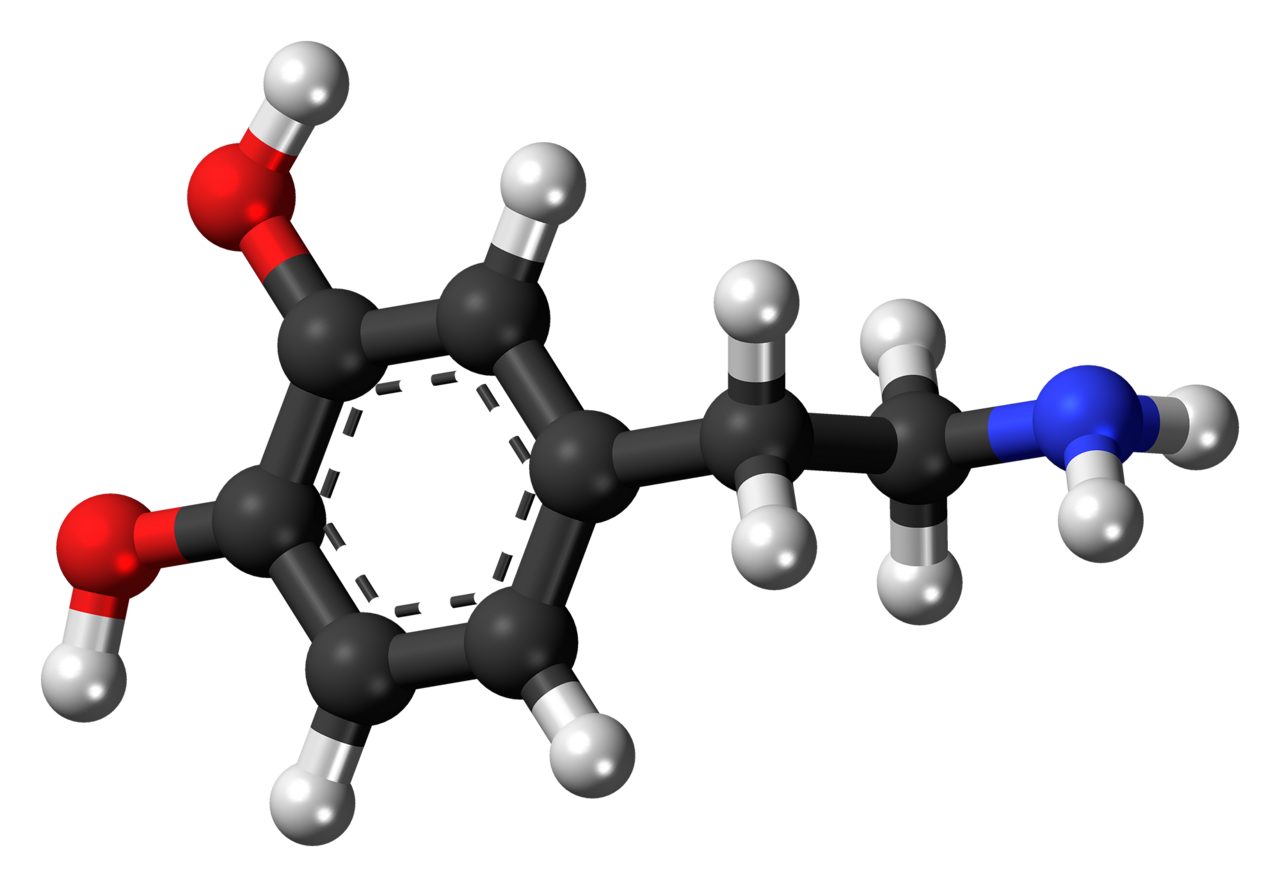
Dopamine
Not simply the 'pleasure chemical': dopamine drives movement, motivation and learning from surprises. Its pathways, the reward-prediction-error discovery, and its role in Parkinson's disease, addiction and schizophrenia.
January 19, 2026 · 3 min read
 Neurotransmitters & Brain Chemistry
Beginner
Serotonin
From the gut to the raphe nuclei: serotonin's many receptors and roles — in mood, sleep, appetite, impulse control and perception — and why the 'chemical imbalance' story of depression is too simple.
June 12, 2026 · 2 min read
 Brain Anatomy
Beginner
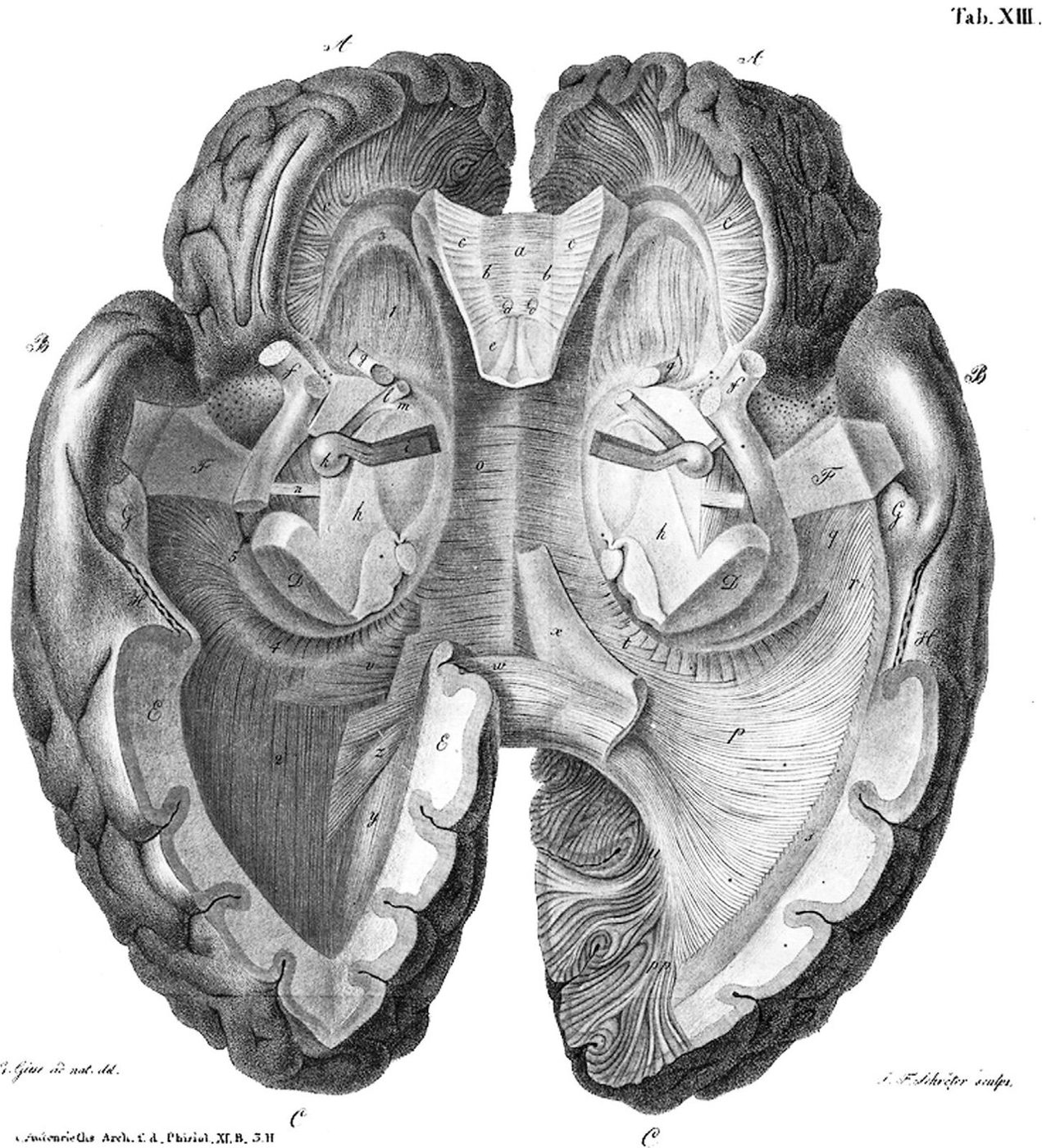
A Tour of the Brain
A guided walk from the bottom of the brain to the top: brainstem, cerebellum, the deep structures of the forebrain, and the folded cerebral cortex — with what each part is best known for.
September 19, 2026 · 2 min read
 Brain Anatomy
Beginner
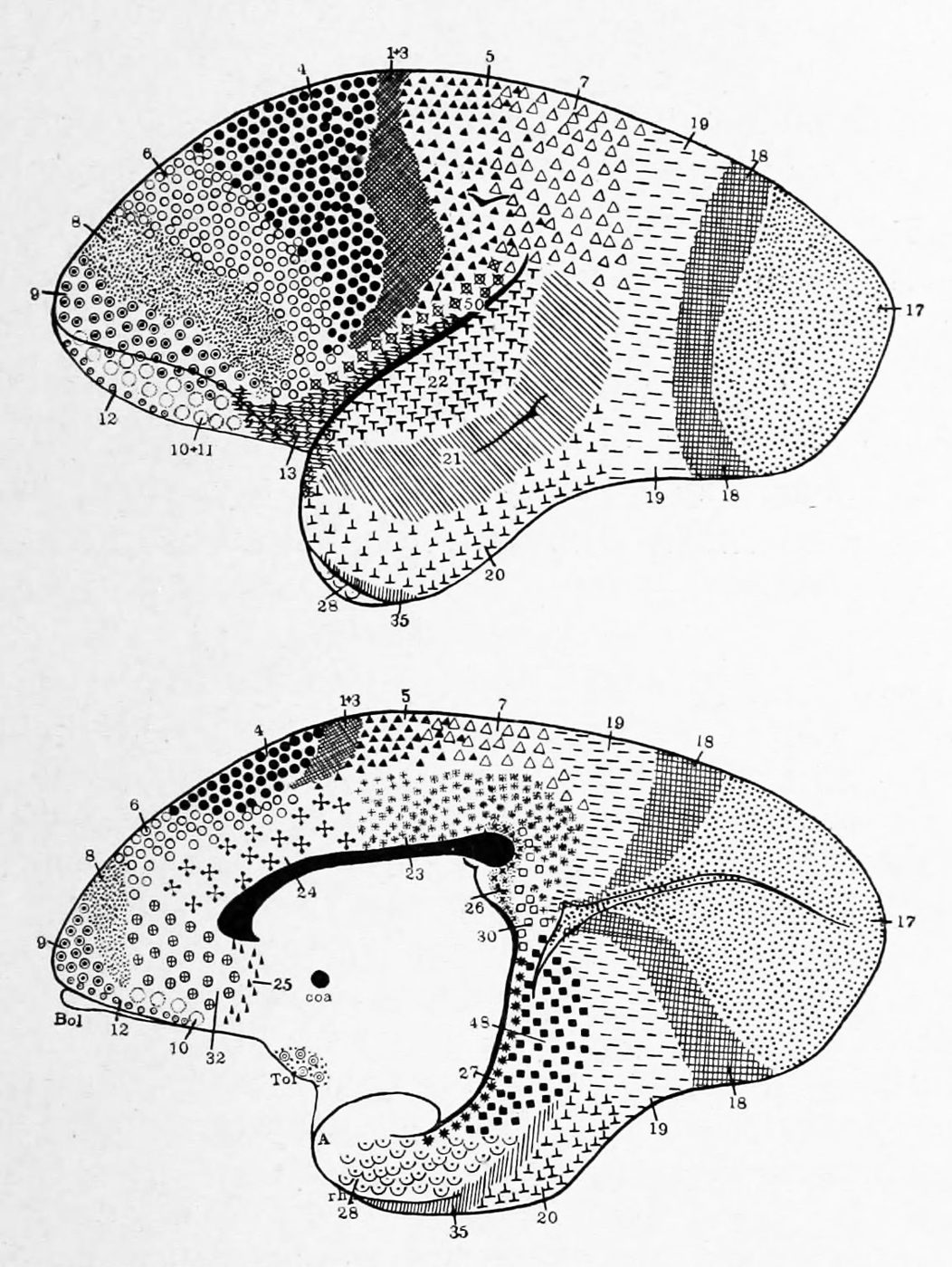
The Cerebral Cortex
The brain's wrinkled outer sheet: its folds, its six layers, its lobes and Brodmann areas, and how sensory, motor and association regions divide the work.
December 16, 2025 · 3 min read
 Brain Anatomy
Beginner
The Frontal Lobe
The largest lobe: motor control, speech production, planning, self-control and personality — from the primary motor strip to the prefrontal cortex.
November 21, 2025 · 2 min read
 Brain Anatomy
Beginner
The Parietal Lobe
Touch, body sense, space and number: the parietal lobe builds your sense of where your body is and where things are around you — and its damage can make half the world disappear.
January 9, 2026 · 2 min read
 Brain Anatomy
Beginner
The Temporal Lobe
Hearing, language comprehension, recognising faces and objects, and — on its inner surface — memory and emotion: the many jobs of the temporal lobe.
May 24, 2026 · 2 min read
 Brain Anatomy
Beginner
The Occipital Lobe
The brain's visual centre at the back of the head: primary visual cortex, the maps of the visual field, the 'what' and 'where' streams, and what happens when it is damaged.
January 11, 2026 · 2 min read
 Brain Anatomy
Beginner
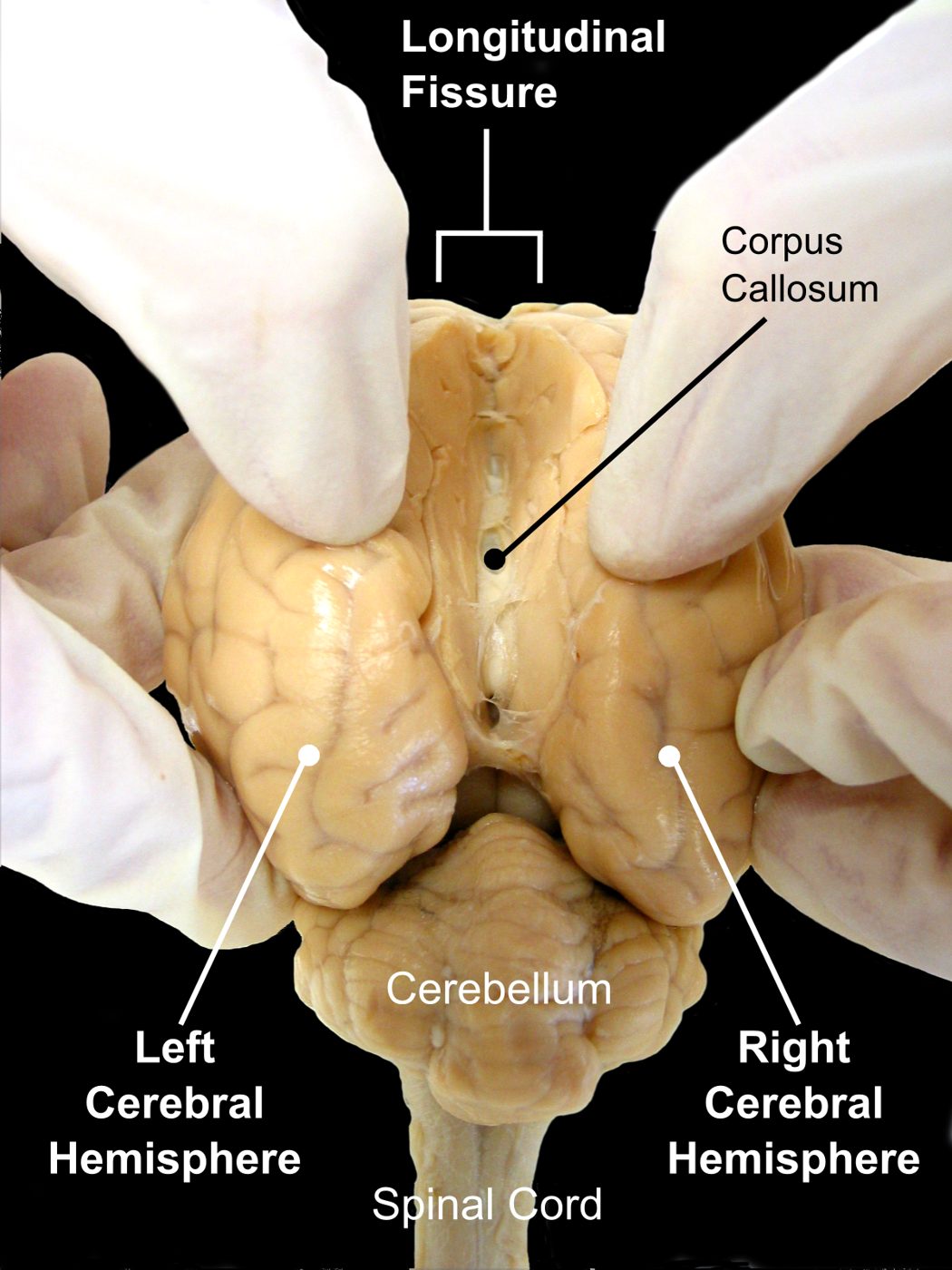
Left Brain, Right Brain and the Corpus Callosum
What the split-brain experiments really showed, which functions are lateralised, and why the 'left-brained versus right-brained' personality idea is a myth.
August 25, 2026 · 3 min read
 Spinal Cord & Body Wiring
Beginner
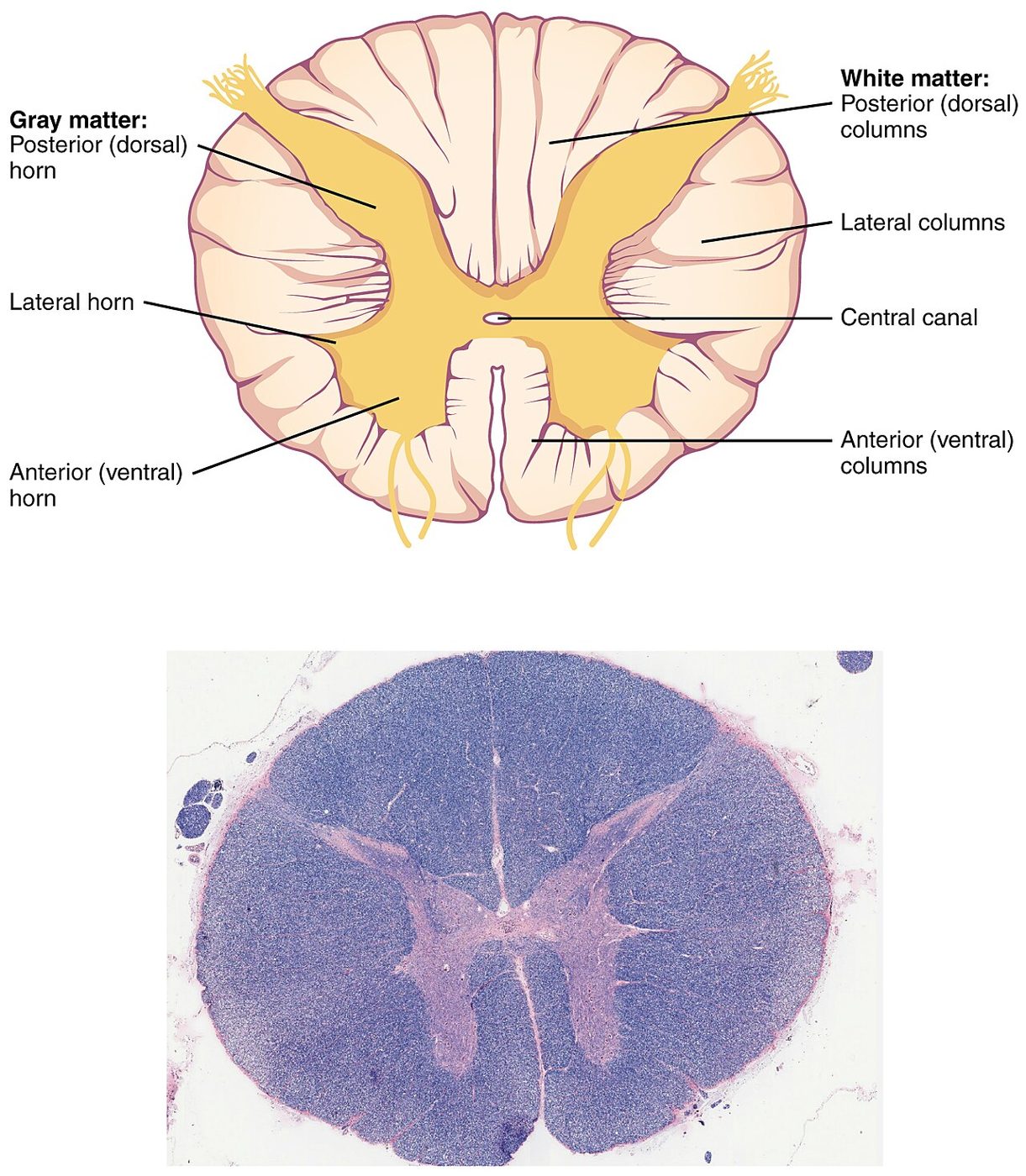
The Spinal Cord
The information highway between brain and body — and a processor in its own right, handling reflexes and rhythmic patterns like walking. Its structure, its nerves and what happens when it is injured.
November 17, 2025 · 2 min read
 Spinal Cord & Body Wiring
Beginner
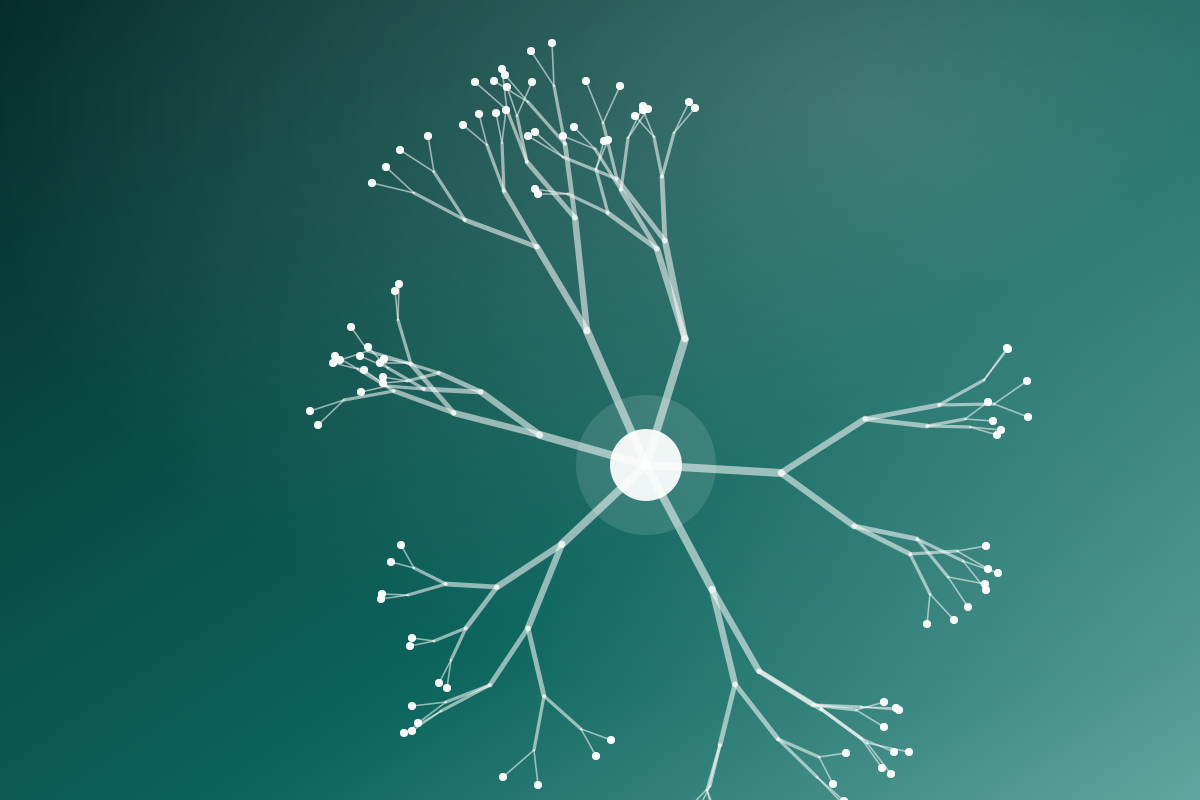
The Peripheral Nervous System
All the nerves outside the brain and spinal cord: how a nerve is built, sensory and motor fibres, fast and slow fibres, how nerves regrow — and common problems like carpal tunnel and neuropathy.
May 3, 2026 · 2 min read
 Spinal Cord & Body Wiring
Beginner
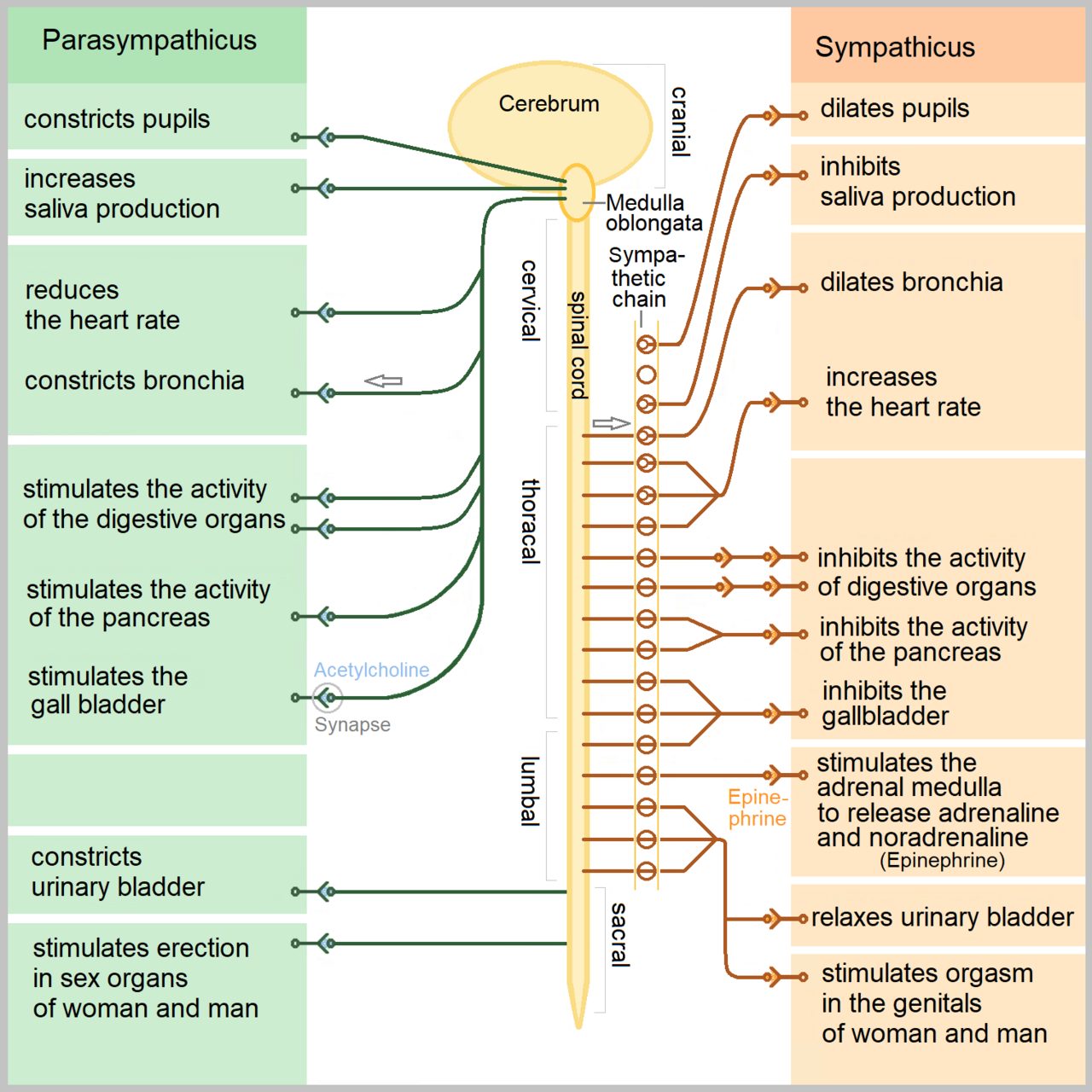
The Autonomic Nervous System
Fight or flight versus rest and digest: the sympathetic and parasympathetic systems that run your heart, lungs, gut, pupils and sweat glands without asking — and the vagus nerve at its heart.
November 8, 2025 · 2 min read
 Development & Plasticity
Beginner
How the Brain Builds Itself
From a flat sheet of cells to 86 billion neurons: the neural tube, the burst of neuron production before birth, migration, wiring, pruning and myelination — the timeline of brain development.
February 24, 2026 · 3 min read
 Development & Plasticity
Beginner
The Teenage Brain
Adolescence is a major period of brain remodelling: pruning, myelination, a reward system that matures early and a prefrontal cortex that matures late. What that does — and doesn't — explain about teenage behaviour.
December 23, 2025 · 3 min read
 Development & Plasticity
Beginner
Neuroplasticity: The Changeable Brain
Your brain rewires itself with every experience. Synaptic plasticity, structural change, London taxi drivers, phantom limbs and recovery after stroke — the evidence that the adult brain keeps changing.
March 7, 2026 · 3 min read
 Development & Plasticity
Beginner
The Aging Brain
What normally changes as we age — slower processing, word-finding pauses, a shrinking brain — what doesn't, the difference between ageing and dementia, and the idea of cognitive reserve.
May 30, 2026 · 3 min read
 Senses & Perception
Beginner
How the Senses Work
Every sense follows the same basic recipe: specialised receptor cells convert energy into electrical signals, which travel along dedicated pathways to the brain — where perception is constructed, not simply received.
April 30, 2026 · 3 min read
 Senses & Perception
Beginner
Touch and the Somatosensory System
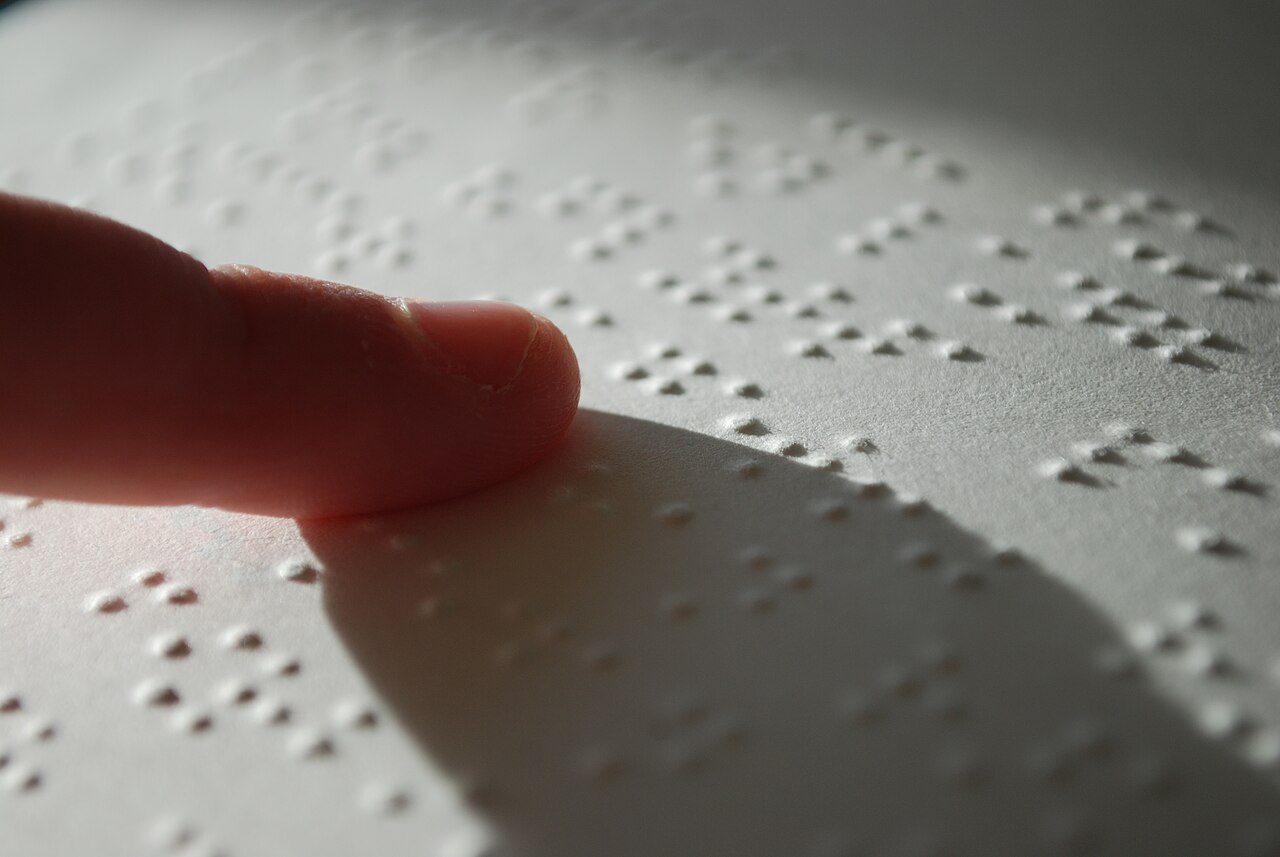
Four kinds of touch receptor, the Piezo2 channel behind the 2021 Nobel Prize, the pathways to the brain and the sensory homunculus — how skin becomes a sense.
April 11, 2026 · 3 min read
 Senses & Perception
Beginner
Smell and Taste
Hundreds of odour receptor types, the direct road from nose to emotion and memory, five basic tastes, the debunked tongue map — and why flavour is mostly smell.
September 17, 2026 · 3 min read
 Senses & Perception
Beginner
Perception and Illusions
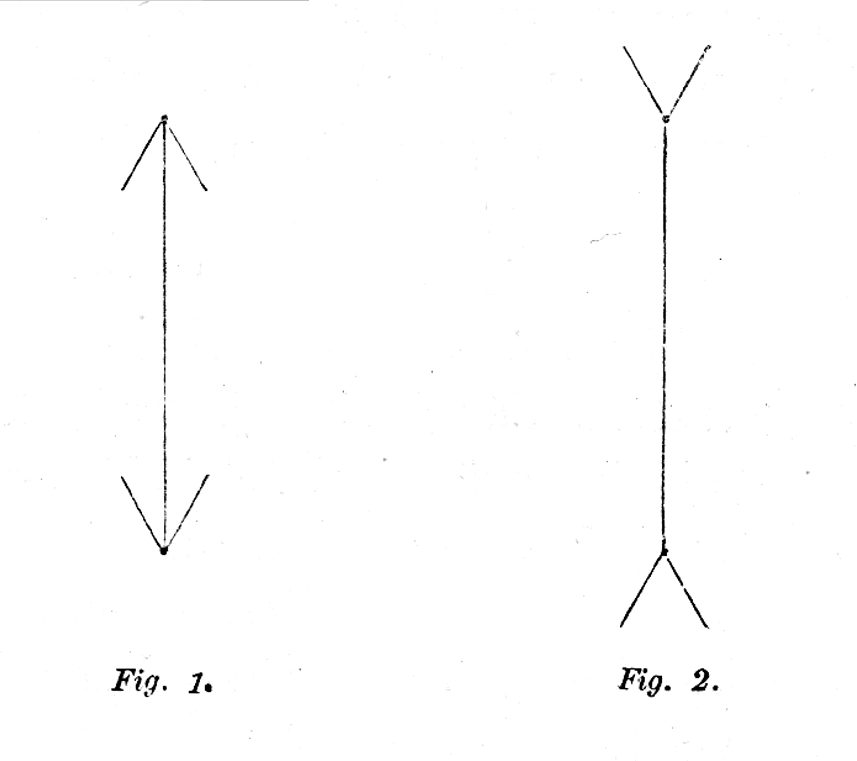
What illusions reveal about how the brain constructs reality: top-down expectations, the Müller-Lyer lines, the Ames room, change blindness, the invisible gorilla and the McGurk effect.
April 20, 2026 · 3 min read
 Movement & Motor Control
Beginner
How the Brain Moves the Body
From intention to action: the motor hierarchy of cortex, basal ganglia, cerebellum, brainstem, spinal cord and motor neurons — and the difference between upper and lower motor neuron damage.
February 26, 2026 · 2 min read
 Movement & Motor Control
Beginner
Reflexes
The knee jerk, pulling back from a flame, a baby's grasp: fast, automatic responses wired into the spinal cord and brainstem — how they work and why doctors test them.
February 11, 2026 · 3 min read
 Learning, Memory & Thinking
Beginner
Types of Memory
Sensory, working and long-term memory; episodic, semantic and procedural; explicit and implicit — a map of memory systems and the brain regions behind each.
May 11, 2026 · 3 min read
 Learning, Memory & Thinking
Beginner
Forgetting and False Memories
Ebbinghaus's forgetting curve, why spacing beats cramming, how leading questions rewrite memories, and Elizabeth Loftus's 'lost in the mall' — why confident memories can be wrong.
June 8, 2026 · 3 min read
 Emotion, Motivation & the Social Brain
Beginner
How the Brain Makes Emotions
James-Lange, Cannon-Bard, two-factor, basic emotion circuits and constructed emotion: a century of theories about where feelings come from, and what brain research says now.
September 29, 2026 · 3 min read
 Emotion, Motivation & the Social Brain
Beginner
The Reward System
Rats pressing levers thousands of times, wanting versus liking, and dopamine's role in motivation: how the brain's reward circuitry drives us — and how drugs, food and screens can hijack it.
December 29, 2025 · 3 min read
 Emotion, Motivation & the Social Brain
Beginner
Stress and the Brain
The stress response from Selye to the HPA axis, why short-term stress helps and chronic stress harms, effects on memory and the hippocampus, and evidence-based ways to manage stress.
June 28, 2026 · 2 min read
 Emotion, Motivation & the Social Brain
Beginner
Love and Bonding
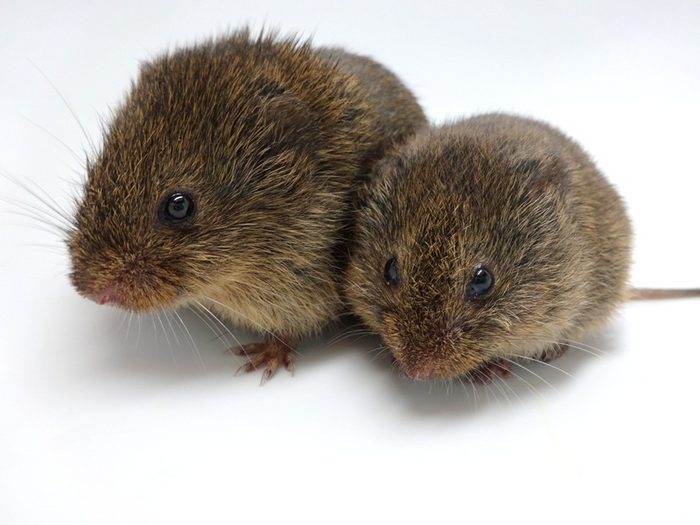
Prairie voles, oxytocin and vasopressin, the reward circuitry of romantic love, parental bonding and heartbreak: what neuroscience has learned about attachment — and where the 'love hormone' story goes too far.
January 25, 2026 · 2 min read
 Sleep & Consciousness
Beginner
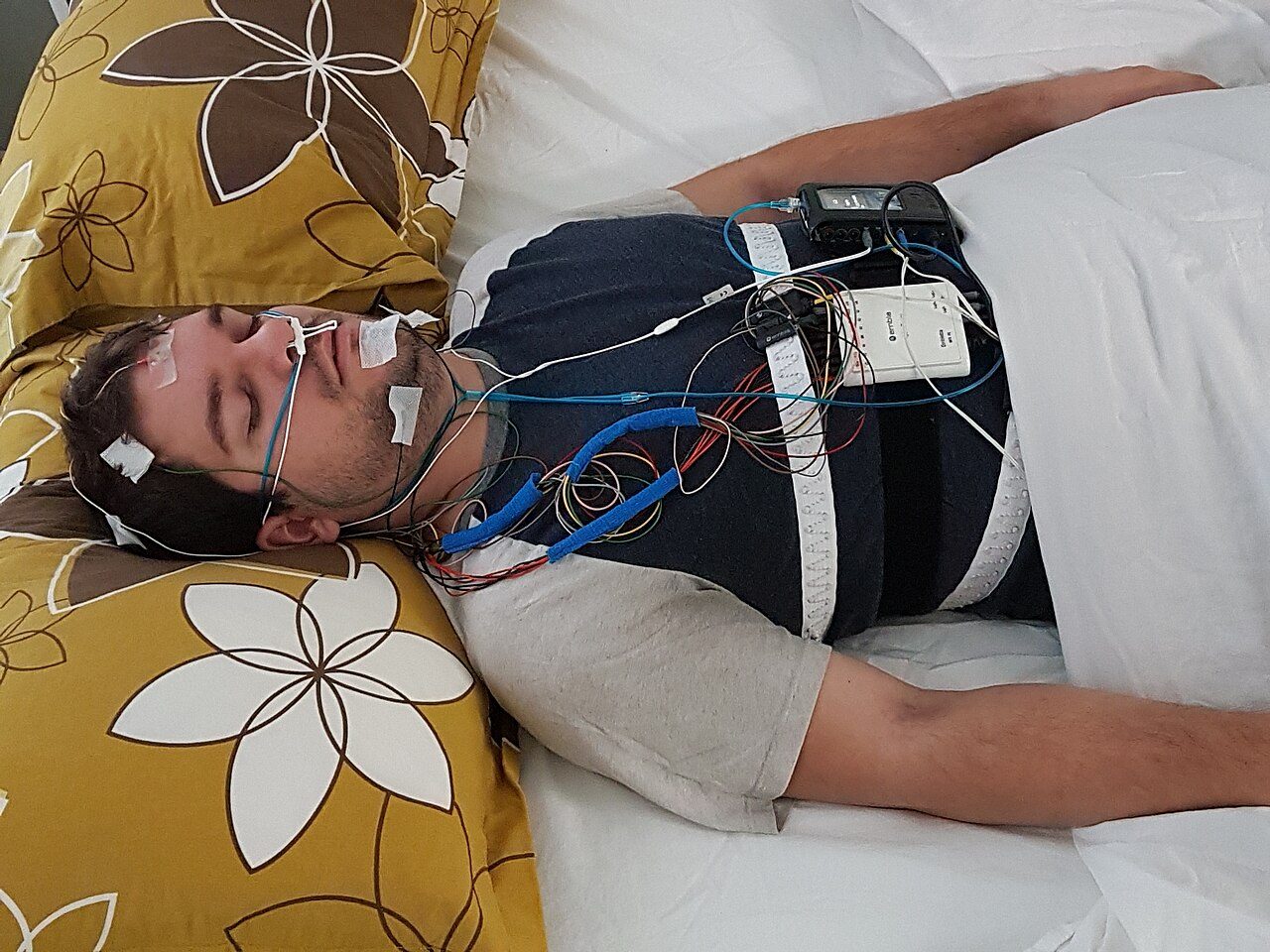
The Stages of Sleep
Light sleep, deep slow-wave sleep and REM sleep: what happens in the brain during each stage, how they cycle through the night, and how sleep changes across life.
August 20, 2026 · 3 min read
 Sleep & Consciousness
Beginner
Why We Sleep
Memory consolidation, synaptic rebalancing, waste clearance, energy and repair: the leading theories of why every animal studied sleeps — and what happens when we don't get enough.
February 16, 2026 · 3 min read
 Sleep & Consciousness
Beginner
Dreams
What dreams are, when they happen, why they're so strange, theories from Freud to activation-synthesis and threat simulation, lucid dreaming, and what brain scans of dreamers reveal.
March 2, 2026 · 3 min read
 Sleep & Consciousness
Beginner
Circadian Rhythms: The Body Clock
The suprachiasmatic nucleus, clock genes and the 2017 Nobel Prize, light-sensing ganglion cells, melatonin, jet lag, shift work and why some people are larks and others owls.
November 29, 2025 · 3 min read
 Neurological Disorders
Beginner
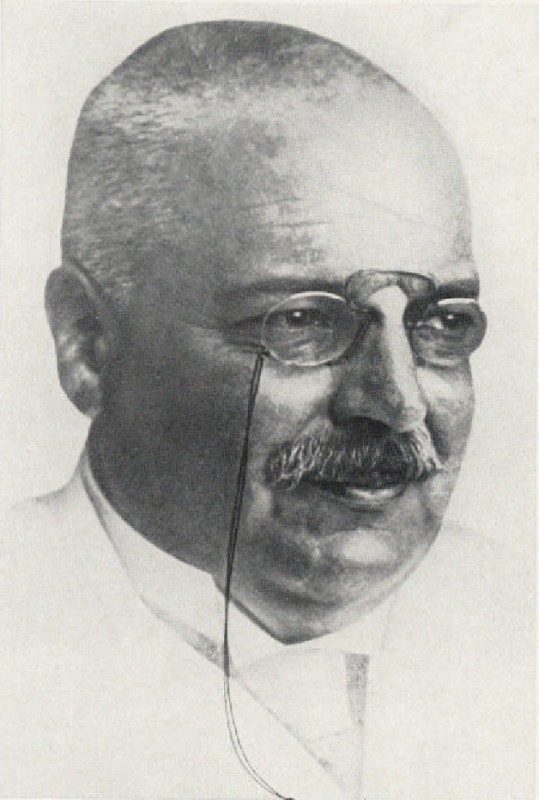
Alzheimer's Disease
The most common cause of dementia: Alois Alzheimer's 1906 case, amyloid plaques and tau tangles, symptoms and stages, risk factors, diagnosis with scans and blood tests, and the first drugs that modestly slow it.
July 11, 2026 · 3 min read
 Neurological Disorders
Beginner
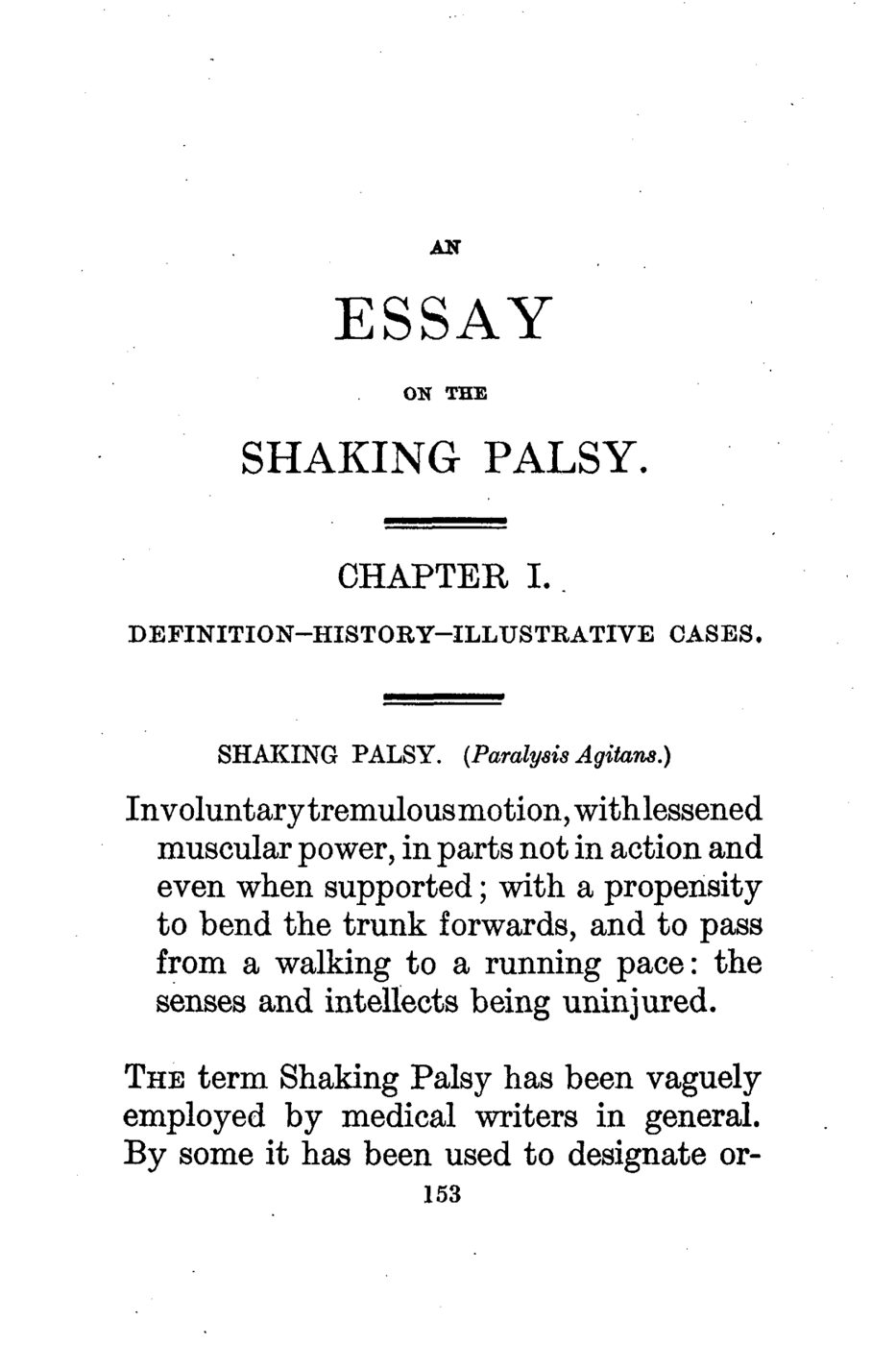
Parkinson's Disease
James Parkinson's 'shaking palsy', the loss of dopamine neurons, alpha-synuclein and Lewy bodies, motor and non-motor symptoms, and treatments from L-dopa to deep brain stimulation.
September 27, 2026 · 3 min read
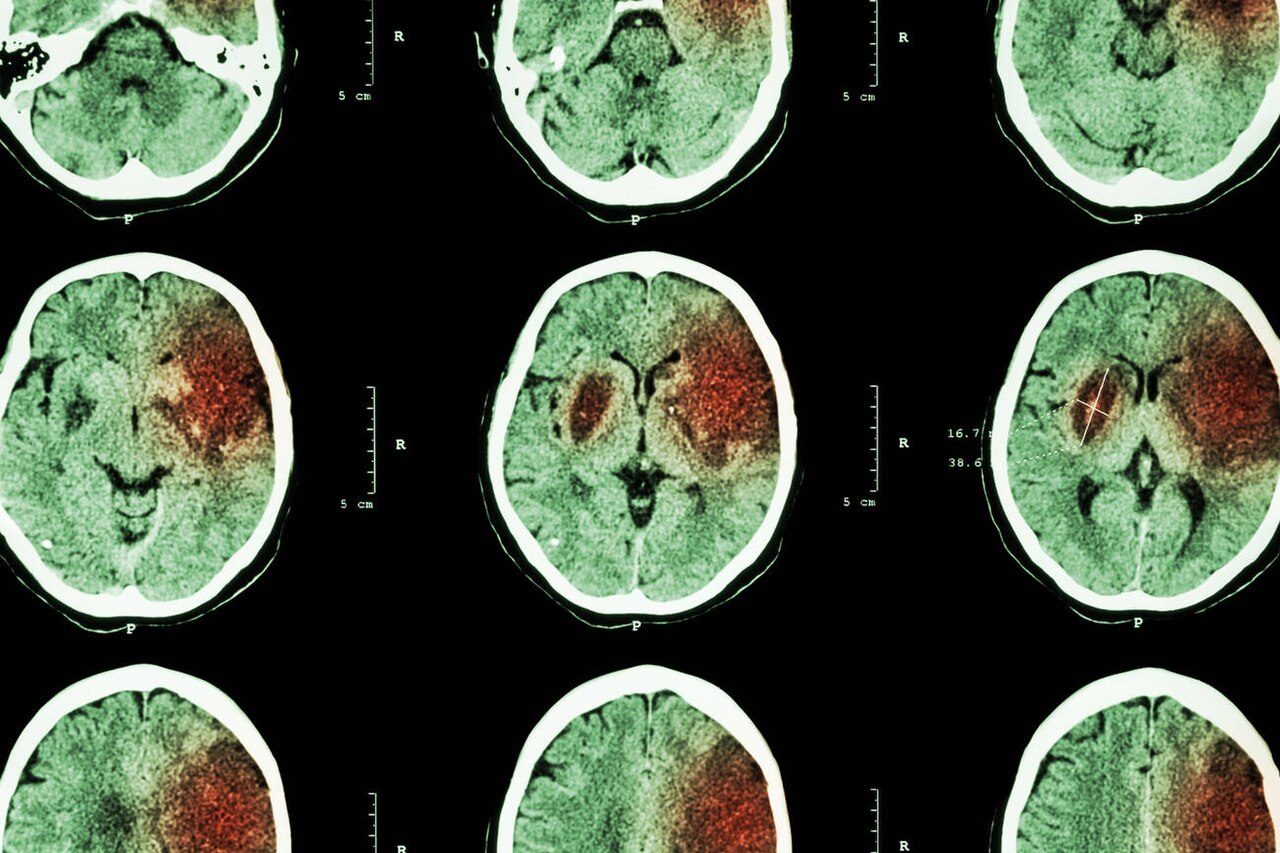 Neurological Disorders
Beginner
Stroke
What happens when blood supply to the brain fails, how to recognise a stroke fast (BE-FAST), why 'time is brain', clot-busting drugs and clot retrieval, recovery and prevention.
November 15, 2025 · 3 min read
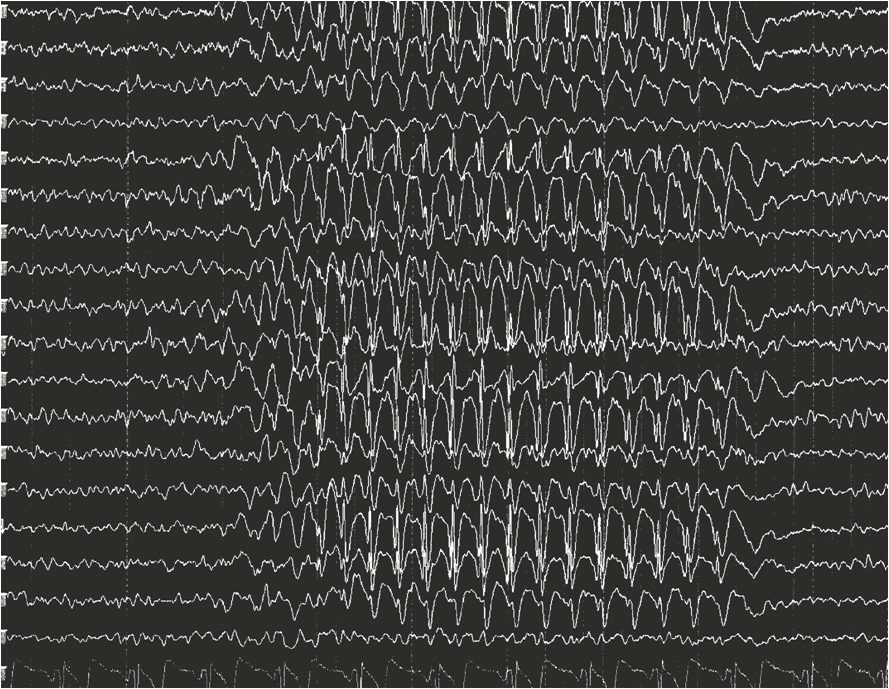 Neurological Disorders
Beginner
Epilepsy
One of the oldest known brain conditions: what a seizure is, the many types, causes, diagnosis with EEG, treatments from medication to surgery and diet — and what to do if you see someone having a seizure.
August 12, 2026 · 3 min read
 Neurological Disorders
Beginner
Migraine and Headache
Far more than a bad headache: migraine's phases and aura, the trigeminal system and CGRP, the new generation of targeted treatments, other headache types, and the warning signs that need urgent care.
September 2, 2026 · 3 min read
 Neurological Disorders
Beginner
Concussion, Brain Injury and CTE
From mild concussion to severe traumatic brain injury: what happens when the brain is jolted, why rest and gradual return matter, and the discovery of chronic traumatic encephalopathy in athletes.
February 5, 2026 · 3 min read
 Mental Health & Neurodevelopment
Beginner
The Brain and Mental Illness
What neuroscience can and can't yet say about mental disorders: the biopsychosocial model, why there's no brain scan for depression, DSM and ICD, the RDoC framework, and how genes and environment interact.
August 29, 2026 · 3 min read
 Mental Health & Neurodevelopment
Beginner
Depression
One of the world's leading causes of disability: symptoms, what's happening in the brain (beyond 'low serotonin'), stress and inflammation, and treatments from talking therapy and medication to ketamine and brain stimulation.
April 14, 2026 · 3 min read
 Mental Health & Neurodevelopment
Beginner
Anxiety Disorders
The world's most common mental disorders: generalised anxiety, panic, phobias and social anxiety; what over-active threat circuits look like; and why exposure-based therapy works so well.
April 1, 2026 · 3 min read
 Mental Health & Neurodevelopment
Beginner
Autism
A neurodevelopmental difference in social communication, sensory experience and patterns of interest: history from Kanner and Asperger, prevalence, genetics, the debunked vaccine myth, brain research and neurodiversity.
June 5, 2026 · 3 min read
 Mental Health & Neurodevelopment
Beginner
ADHD
Attention-deficit/hyperactivity disorder: the three presentations, what brain research shows about attention and reward, why it often continues into adulthood, common myths, and how stimulant medication and other treatments help.
July 22, 2026 · 2 min read
 Tools & Methods
Beginner
How We Study the Brain: An Overview of Methods
From patients and post-mortem slices to scanners, electrodes, light-controlled neurons and supercomputers: the toolkit of neuroscience and the trade-offs between seeing where, seeing when and seeing causes.
May 21, 2026 · 3 min read
 Tools & Methods
Beginner
Lesion Studies: Learning from Brain Damage
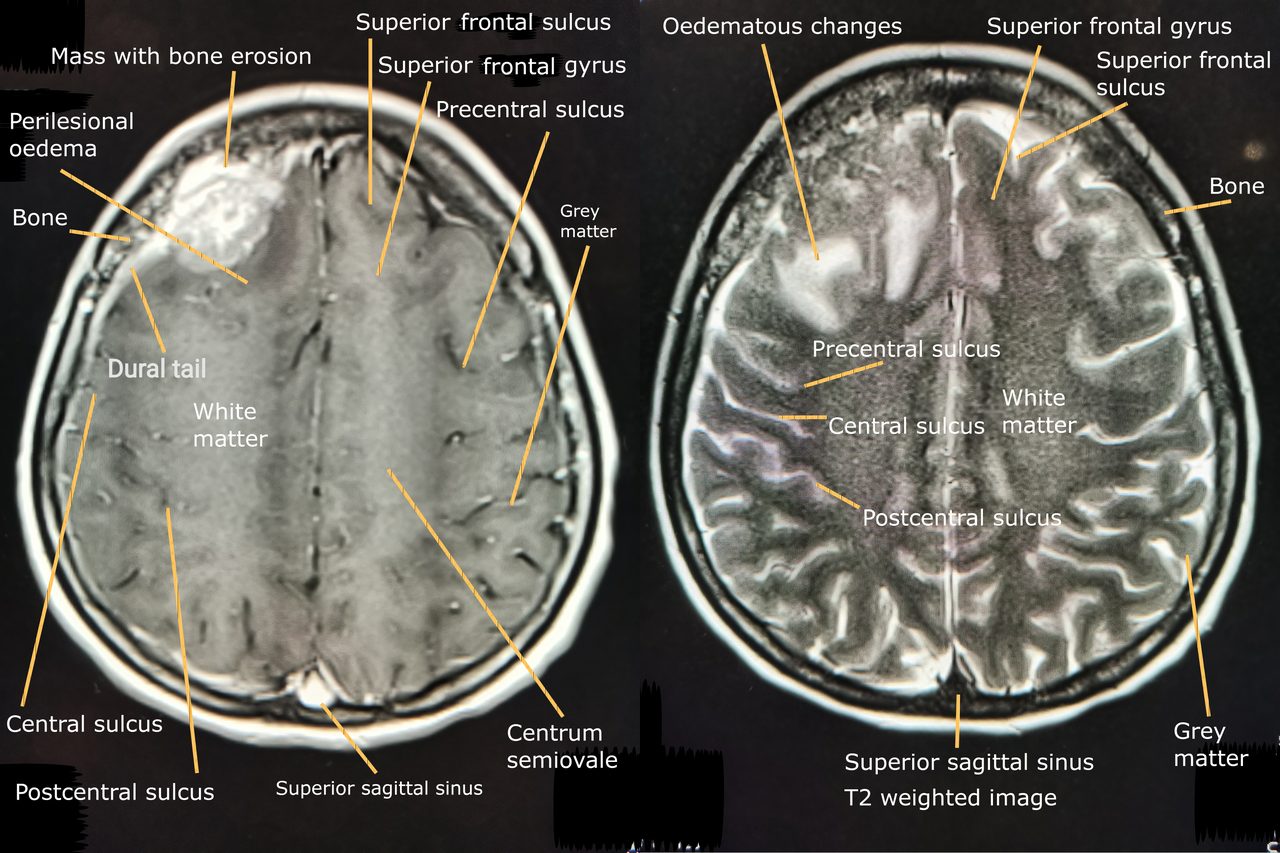
How studying people with brain injuries — Leborgne, Gage, H.M. and thousands since — revealed what brain regions do, the logic of double dissociation, modern lesion-mapping, and the method's pitfalls.
July 5, 2026 · 3 min read
 Computational Neuroscience & AI
Beginner
The Brain vs. Artificial Neural Networks
How brain science inspired AI — from the perceptron to deep learning — and how today's artificial neural networks are both similar to and very different from real brains.
April 18, 2026 · 3 min read
 Computational Neuroscience & AI
Beginner
Brain-Computer Interfaces
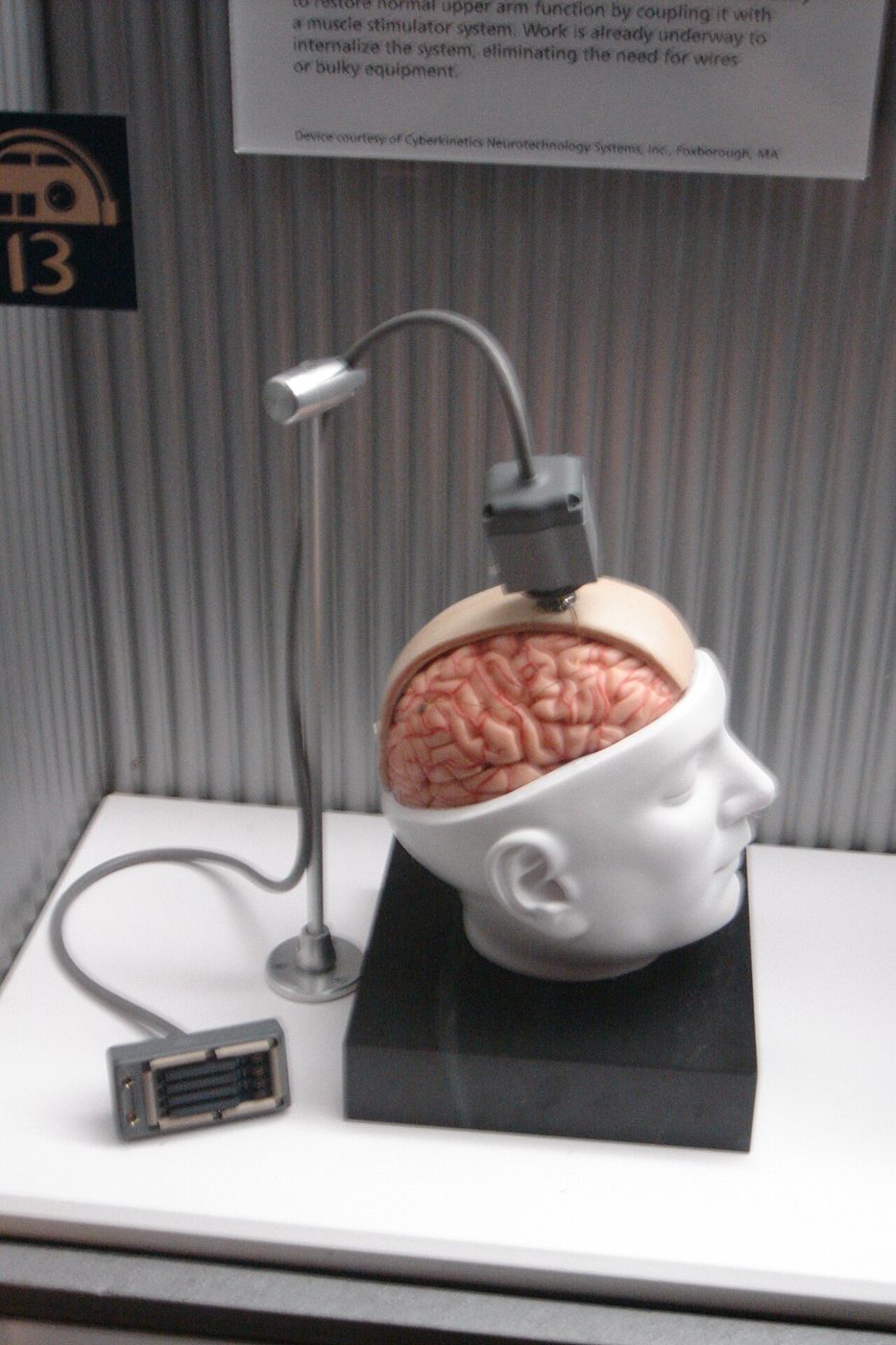
Devices that read brain signals to control computers, robotic arms and synthetic voices: BrainGate, speech neuroprostheses, Neuralink and Synchron, non-invasive BCIs, and the ethical questions they raise.
July 9, 2026 · 3 min read
 Treatments & Therapies
Beginner
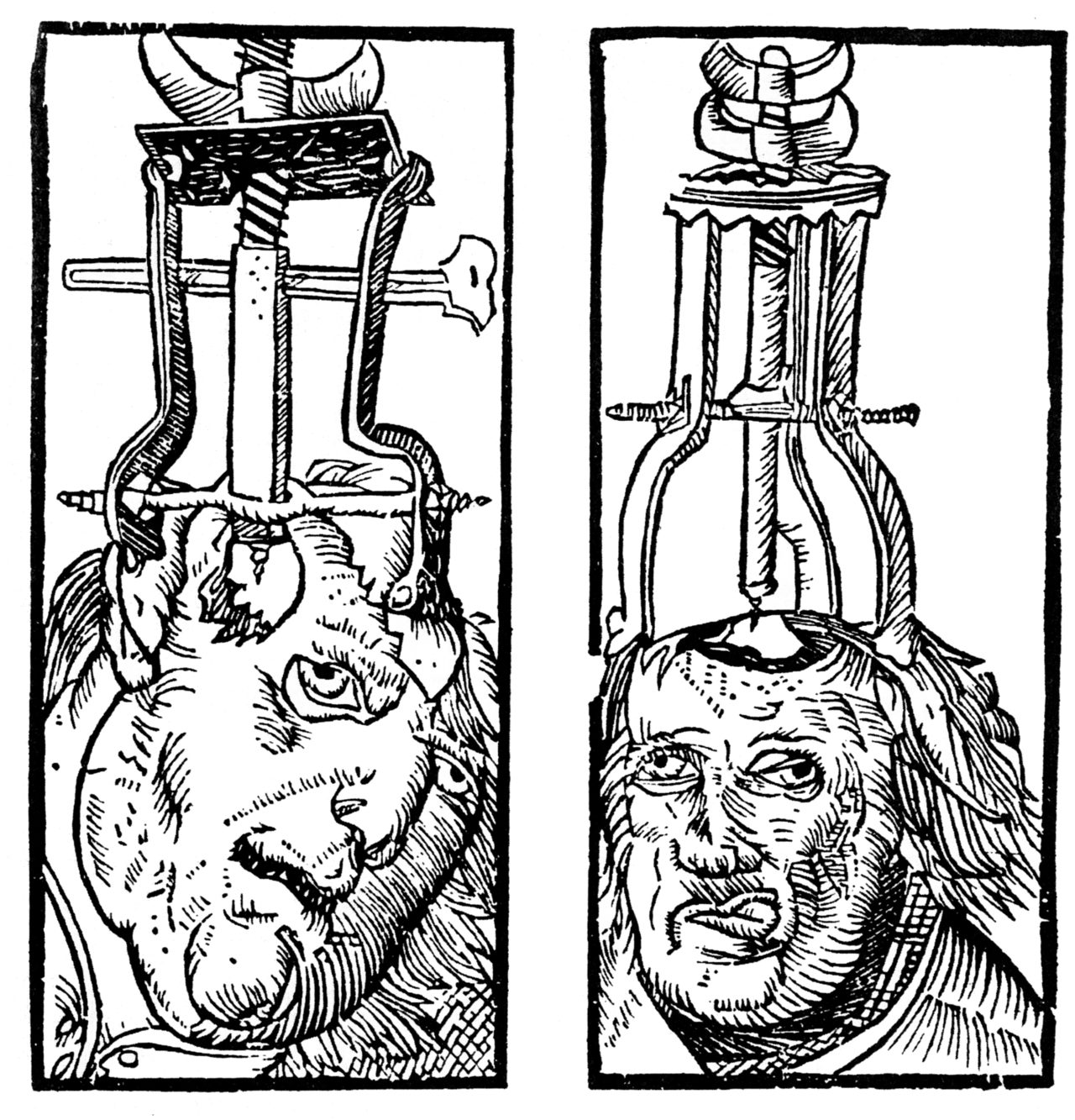
Neurosurgery: From Trepanation to Robots
Holes drilled in prehistoric skulls, Harvey Cushing's revolution, the dark chapter of lobotomy, awake brain surgery, Gamma Knife radiosurgery and focused ultrasound — a history of operating on the nervous system.
July 28, 2026 · 3 min read
 Treatments & Therapies
Beginner
Neurorehabilitation
Recovering after stroke, brain injury and spinal cord injury: how rehabilitation harnesses plasticity, constraint-induced therapy, mirror therapy, speech therapy, robotics, vagus nerve stimulation and spinal stimulation that helped paralysed people walk.
November 27, 2025 · 3 min read
 Everyday Brain, Ethics & the Future
Beginner
Caffeine, Alcohol, Nicotine and the Brain
What the world's most common psychoactive substances actually do: caffeine blocking adenosine, alcohol boosting GABA and silencing memory, nicotine hijacking acetylcholine — plus tolerance, sleep and long-term effects.
June 7, 2026 · 3 min read
 Everyday Brain, Ethics & the Future
Beginner
Exercise, Diet, Sleep and Brain Health
What the evidence says about keeping your brain healthy: aerobic exercise and BDNF, the MIND and Mediterranean diets, sleep, social connection, hearing and blood pressure — and why most 'brain training' apps disappoint.
December 4, 2025 · 3 min read
 Everyday Brain, Ethics & the Future
Beginner
Neuromyths in Education
Learning styles, left- and right-brain learners, Brain Gym, the Mozart effect and 'critical windows' for everything: how brain myths spread into classrooms, and what learning science actually supports.
September 13, 2026 · 2 min read
 Everyday Brain, Ethics & the Future
Beginner
The Big Brain Projects
The US BRAIN Initiative, the EU Human Brain Project, China and Japan's brain programmes, the Allen Institute, the Human Connectome Project and the 2023 human brain cell atlas: neuroscience as big science.
July 1, 2026 · 3 min read
 Everyday Brain, Ethics & the Future
Beginner
Careers in Neuroscience
Neuroscientist, neurologist, neurosurgeon, psychiatrist, neuropsychologist, neuroengineer, data scientist, science writer: the many paths into brain science, what they involve and how to get started.
October 6, 2026 · 3 min read
 Everyday Brain, Ethics & the Future
Beginner
The Future of Neuroscience
The biggest open questions — how memories are stored, how consciousness arises, how to cure brain disease — and the trends shaping the next decades: whole-brain maps, cell atlases, brain-computer interfaces, AI, precision psychiatry and ethics.
January 21, 2026 · 3 min read
2
81 entries
Intermediate
Builds on the basics. Introduces the real vocabulary and the mechanisms behind it.
 Neuroscience Foundations
Intermediate
Levels of Analysis: From Molecules to Minds
Why one behaviour can be explained at many levels at once — genes, molecules, synapses, neurons, circuits, brain systems and behaviour — and how David Marr's three levels changed the way neuroscientists ask questions.
September 10, 2026 · 3 min read
 Neuroscience Foundations
Intermediate
The Brain in Evolution
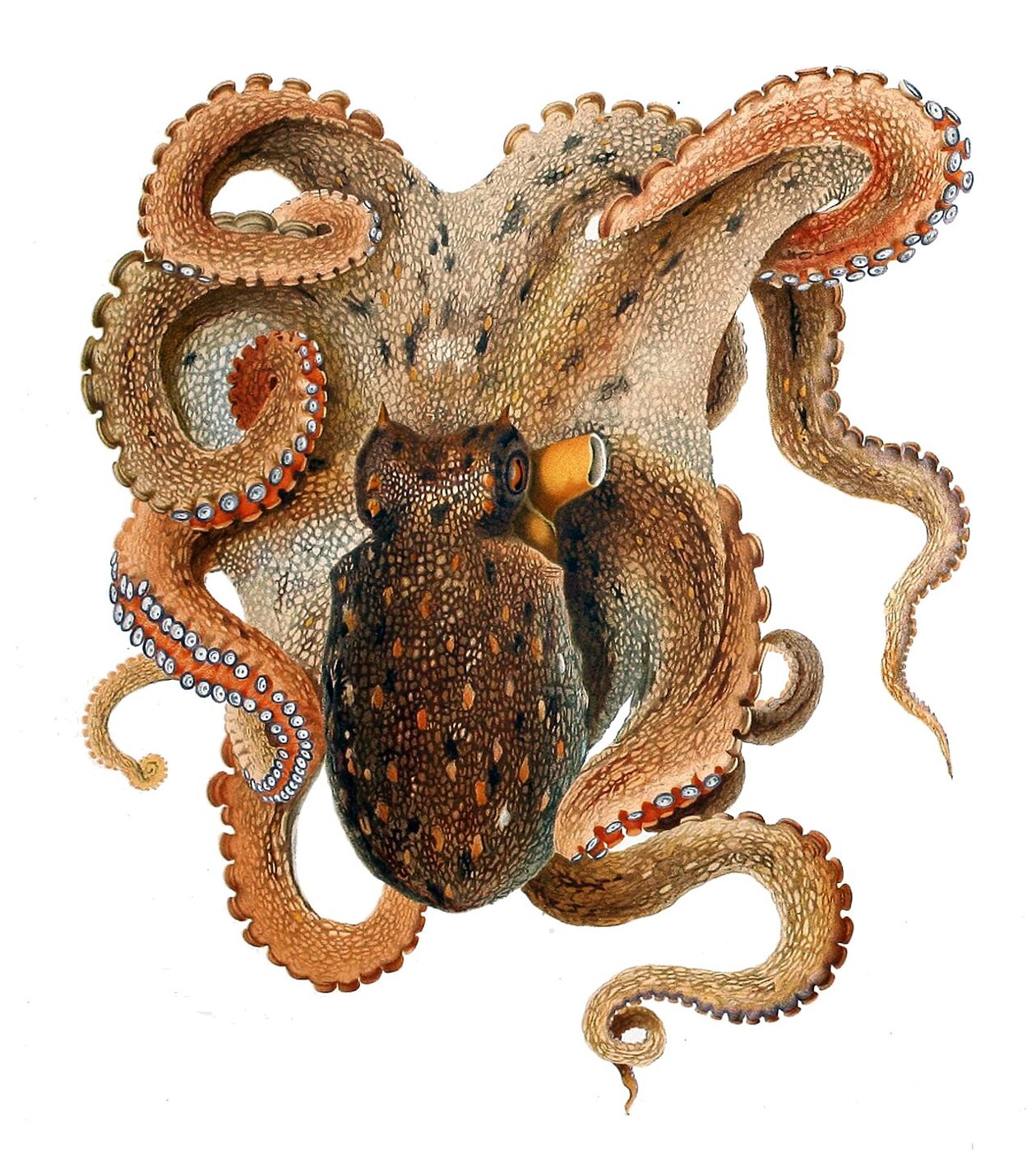
From the simple nerve nets of jellyfish to the centralised brains of insects, octopuses, birds and primates: how nervous systems evolved, and what is — and isn't — special about the human brain.
April 22, 2026 · 2 min read
 History of Neuroscience
Intermediate
Descartes and the Mechanical Reflex
René Descartes pictured the body as a machine of tubes and valves, sketched the first reflex, put the soul in the pineal gland — and left neuroscience the mind-body problem.
February 3, 2026 · 2 min read
 History of Neuroscience
Intermediate
Golgi, Cajal and the Neuron Doctrine
A silver stain that blackened one cell in a hundred settled the most important question in neuroscience: is the nervous system one continuous web, or made of separate cells?
January 17, 2026 · 3 min read
 History of Neuroscience
Intermediate
Sherrington and the Synapse
Charles Sherrington named the synapse in 1897, showed that reflexes integrate excitation and inhibition, and gave neuroscience the idea of the nervous system as an integrator.
June 18, 2026 · 2 min read
 History of Neuroscience
Intermediate
Soups and Sparks: The Discovery of Chemical Transmission
Otto Loewi's dream experiment with two frog hearts proved that nerves talk with chemicals — and set off a decades-long 'war of the soups and the sparks'.
August 23, 2026 · 2 min read
 History of Neuroscience
Intermediate
Hubel, Wiesel and the Visual Cortex
A slide jammed in a projector revealed that neurons in the visual cortex respond to edges at particular angles — and opened up how the brain builds vision piece by piece.
April 28, 2026 · 2 min read
 Pioneers & Nobel Laureates
Intermediate
Eric Kandel and the Sea Slug
How a refugee from Vienna used a giant sea slug, Aplysia, to show that learning changes the strength of synapses — and that long-term memory needs new proteins and new connections.
June 24, 2026 · 2 min read
 Pioneers & Nobel Laureates
Intermediate
O'Keefe, the Mosers and the Brain's GPS
Place cells that fire in one spot, grid cells that tile space in triangles: how John O'Keefe and May-Britt and Edvard Moser discovered the brain's positioning system and shared the 2014 Nobel Prize.
October 8, 2026 · 2 min read
 Cells of the Nervous System
Intermediate
Astrocytes
Star-shaped glial cells that wrap synapses, buffer chemicals, feed neurons, control blood flow and help build the blood-brain barrier — and may take part in processing information.
January 13, 2026 · 2 min read
 Cells of the Nervous System
Intermediate
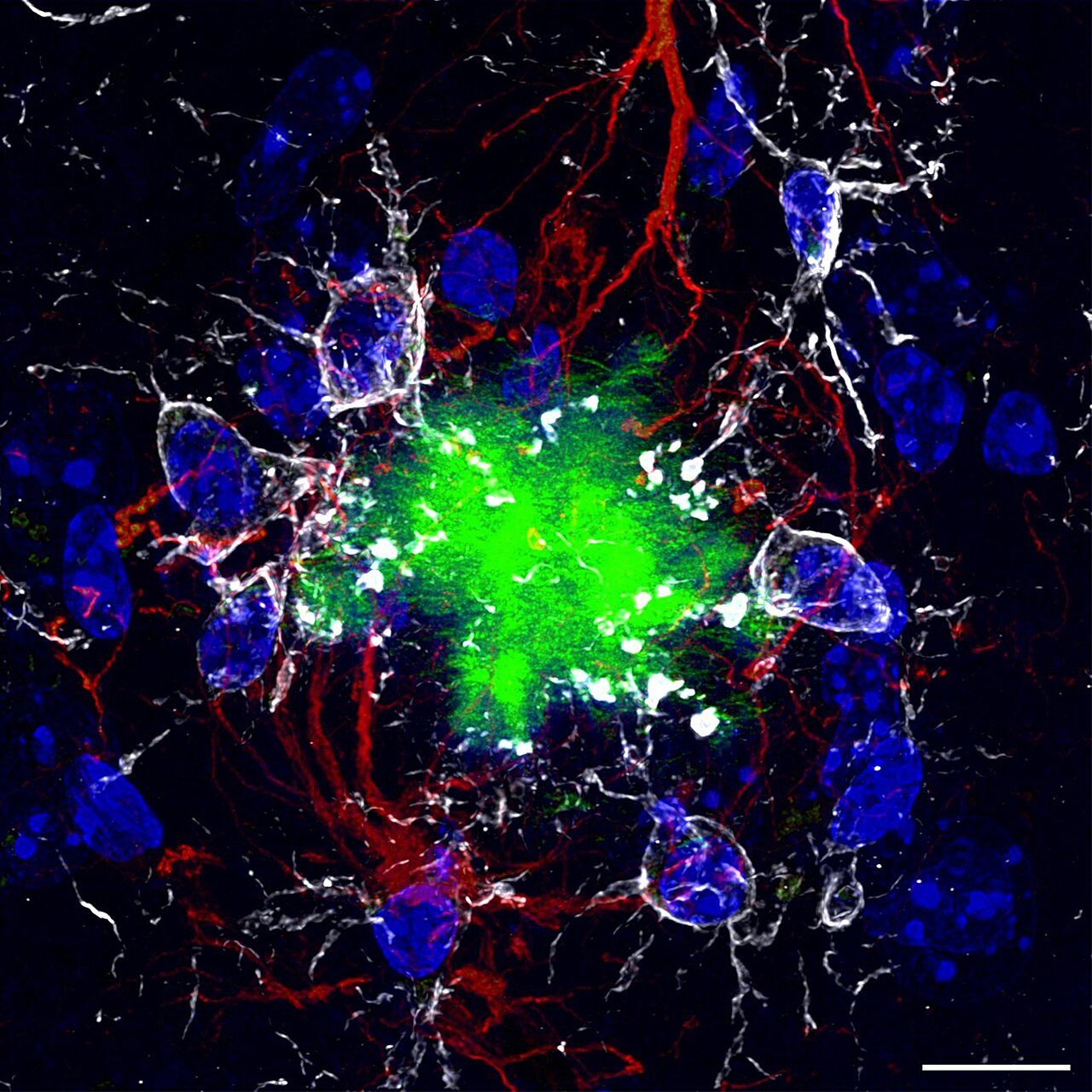
Microglia: The Brain's Immune Cells
Microglia constantly survey the brain, eat debris and invaders, prune unwanted synapses during development — and are now central suspects in Alzheimer's disease and other conditions.
August 14, 2026 · 2 min read
 Cells of the Nervous System
Intermediate
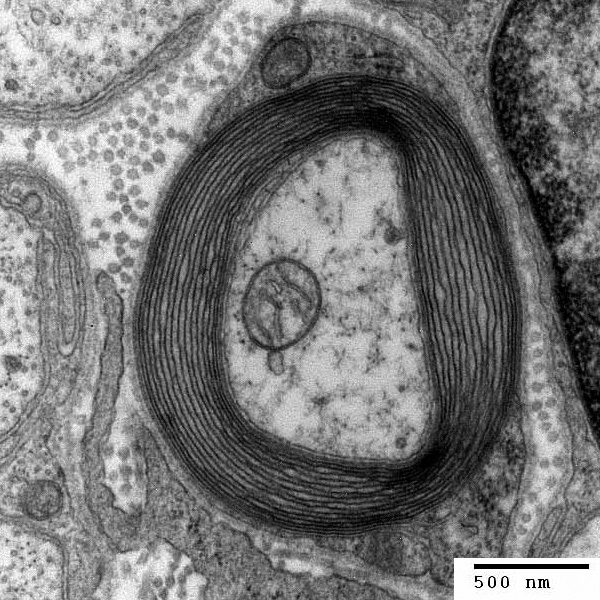
Myelin and Oligodendrocytes
Myelin, the fatty insulation wrapped around axons by oligodendrocytes and Schwann cells, speeds nerve signals up to around a hundred times — and its loss causes diseases such as multiple sclerosis.
April 13, 2026 · 2 min read
 Cells of the Nervous System
Intermediate
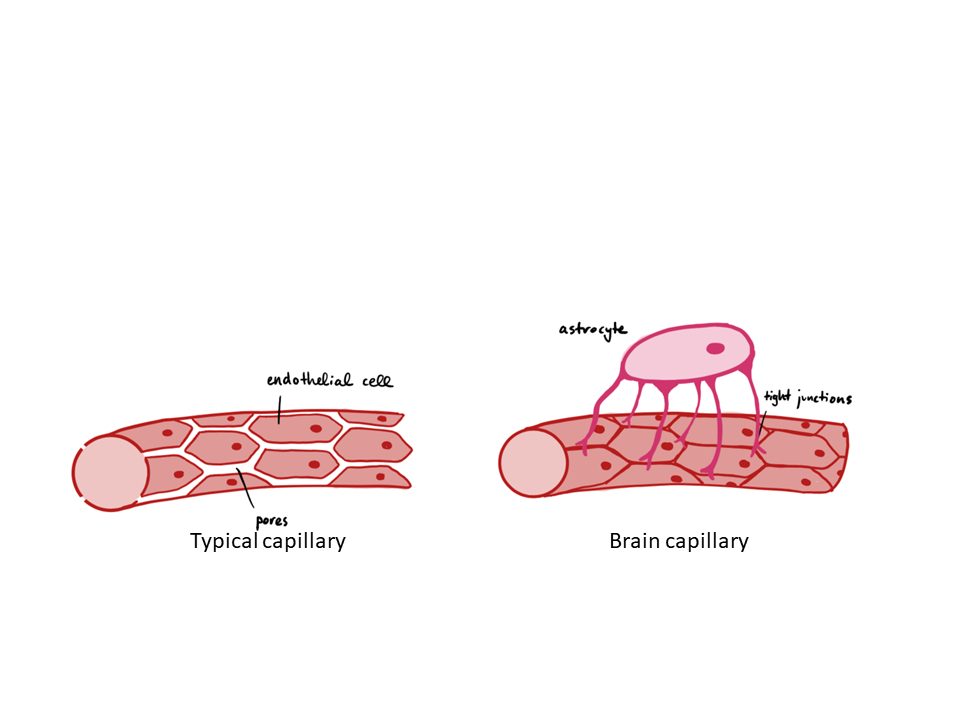
The Blood-Brain Barrier
A tightly sealed lining of the brain's blood vessels keeps toxins and germs out — and most medicines too. How it works, how it was discovered, and why drug designers wrestle with it.
May 5, 2026 · 2 min read
 Neural Signaling
Intermediate
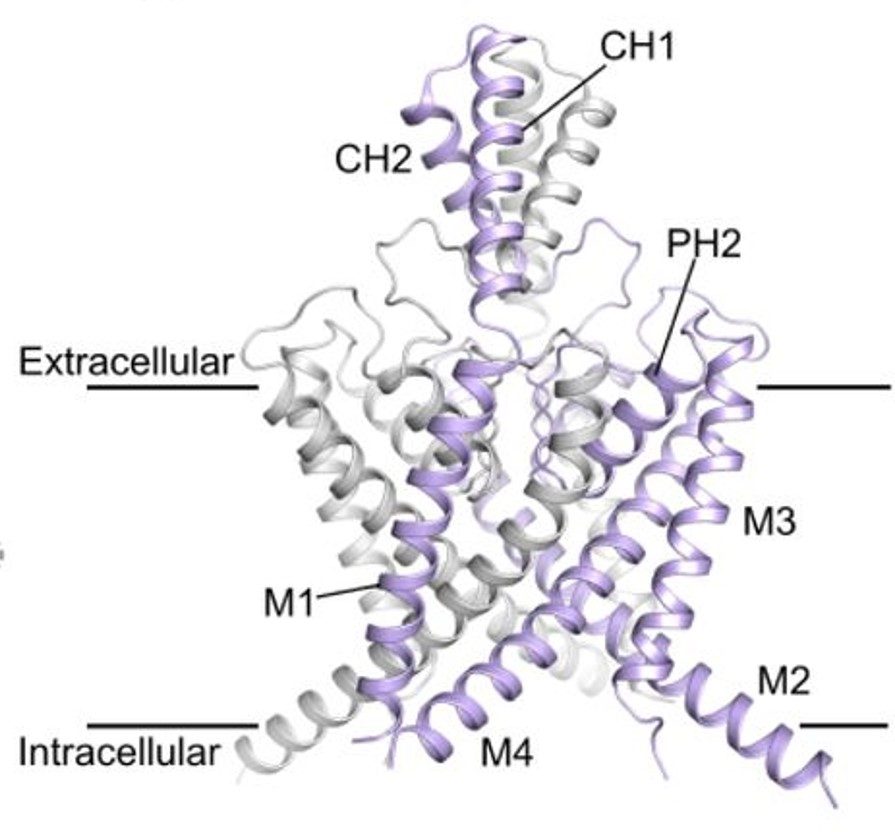
Ion Channels and Pumps
The protein pores and machines in the cell membrane that make neural signalling possible — voltage-gated, ligand-gated and mechanically gated channels, pumps and transporters — and the toxins and drugs that target them.
February 20, 2026 · 3 min read
 Neural Signaling
Intermediate
The Action Potential
The nerve impulse step by step: threshold, the rush of sodium, the overshoot, potassium repolarisation, the refractory period — and why every spike is all-or-nothing.
July 26, 2026 · 3 min read
 Neural Signaling
Intermediate
Saltatory Conduction: Why Myelin Makes Signals Fast
How action potentials 'jump' from one node of Ranvier to the next along myelinated axons — and why this lets vertebrates send fast signals through thin nerves.
November 23, 2025 · 2 min read
 Neural Signaling
Intermediate
Electrical Synapses and Gap Junctions
Not every synapse uses chemicals. Gap junctions directly connect the insides of neighbouring cells, allowing instant electrical coupling that synchronises neurons, heart cells and glia.
August 22, 2026 · 2 min read
 Neurotransmitters & Brain Chemistry
Intermediate
Glutamate and GABA: The Brain's Accelerator and Brake
The two most abundant transmitters in the brain — glutamate exciting, GABA inhibiting — how their balance keeps the brain stable, and what alcohol, anaesthetics, sedatives and seizures have to do with it.
June 22, 2026 · 2 min read
 Neurotransmitters & Brain Chemistry
Intermediate
Acetylcholine
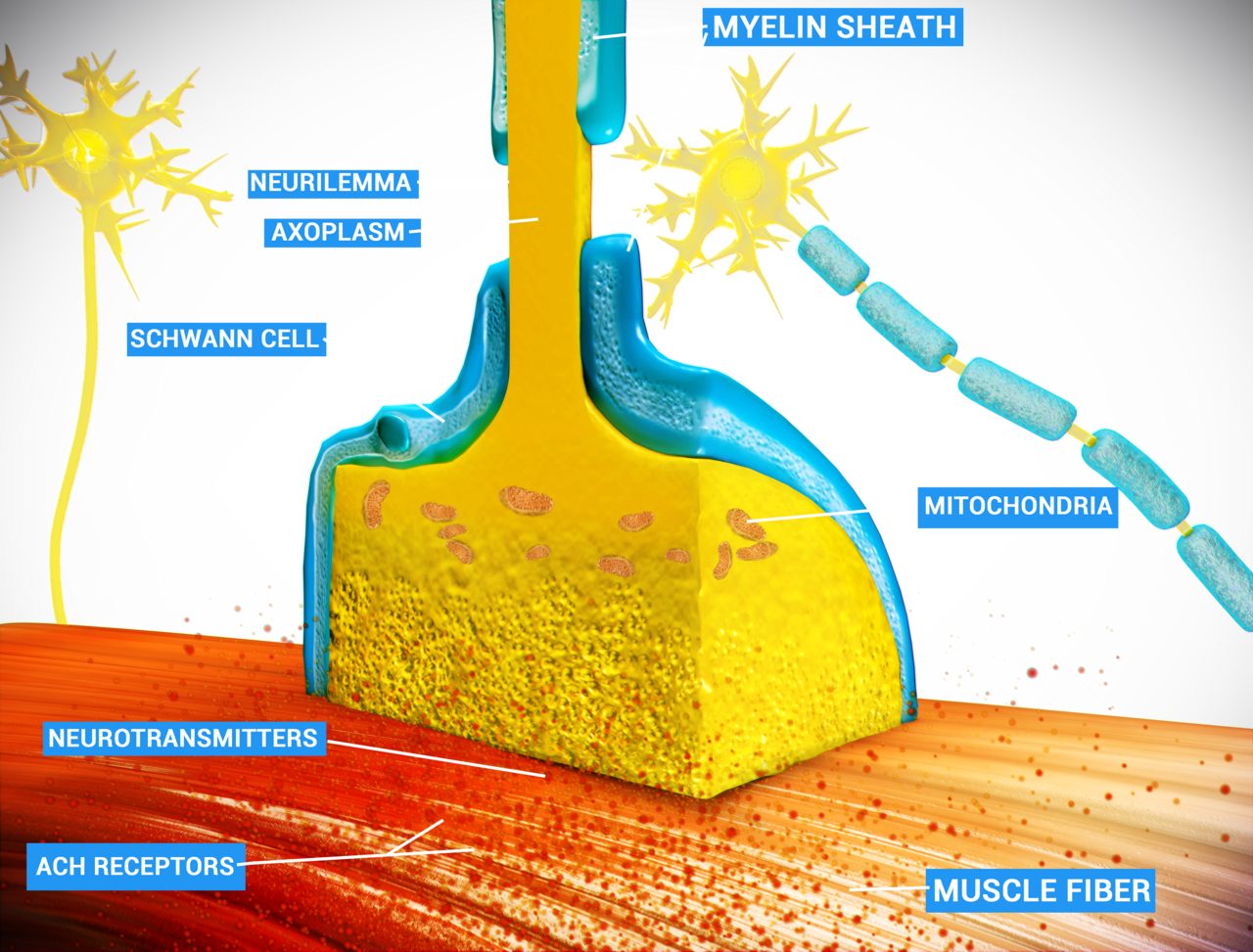
The first neurotransmitter ever identified: it moves every skeletal muscle, slows the heart, sharpens attention and memory — and is the target of curare, nerve agents, Alzheimer's drugs and myasthenia gravis.
December 21, 2025 · 2 min read
 Neurotransmitters & Brain Chemistry
Intermediate
Noradrenaline and Adrenaline
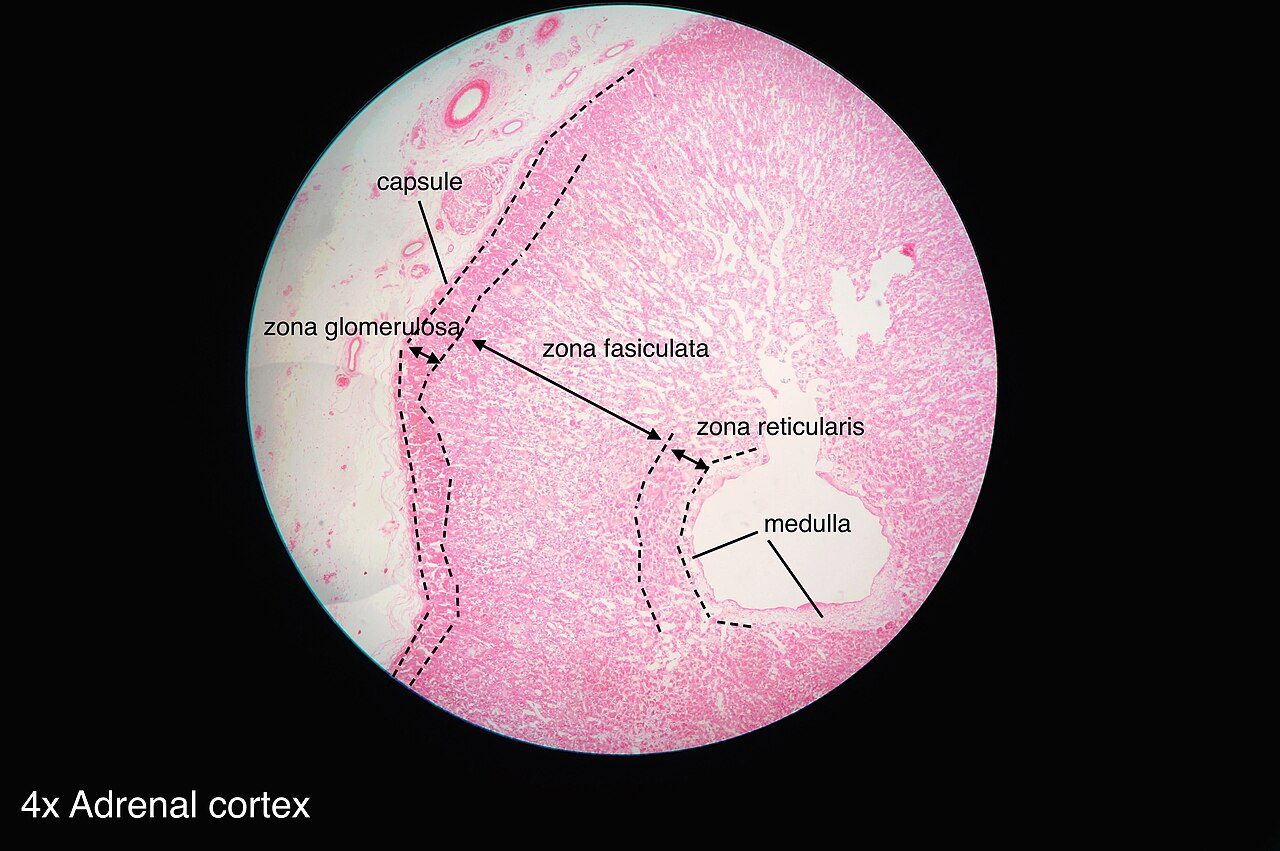
The fight-or-flight chemicals: noradrenaline from the locus coeruleus tunes alertness and attention in the brain, while adrenaline from the adrenal glands readies the body for action.
December 6, 2025 · 2 min read
 Neurotransmitters & Brain Chemistry
Intermediate
Endorphins and Other Neuropeptides
The brain's own opioids, substance P, orexin, neuropeptide Y and more: slower, longer-acting chemical messengers built from short chains of amino acids.
September 21, 2026 · 2 min read
 Neurotransmitters & Brain Chemistry
Intermediate
Hormones and the Brain
How the brain controls the body's hormone system through the hypothalamus and pituitary — and how hormones such as cortisol, oxytocin, sex hormones, thyroid hormone and melatonin act back on the brain.
October 29, 2025 · 2 min read
 Neurotransmitters & Brain Chemistry
Intermediate
The Endocannabinoid System
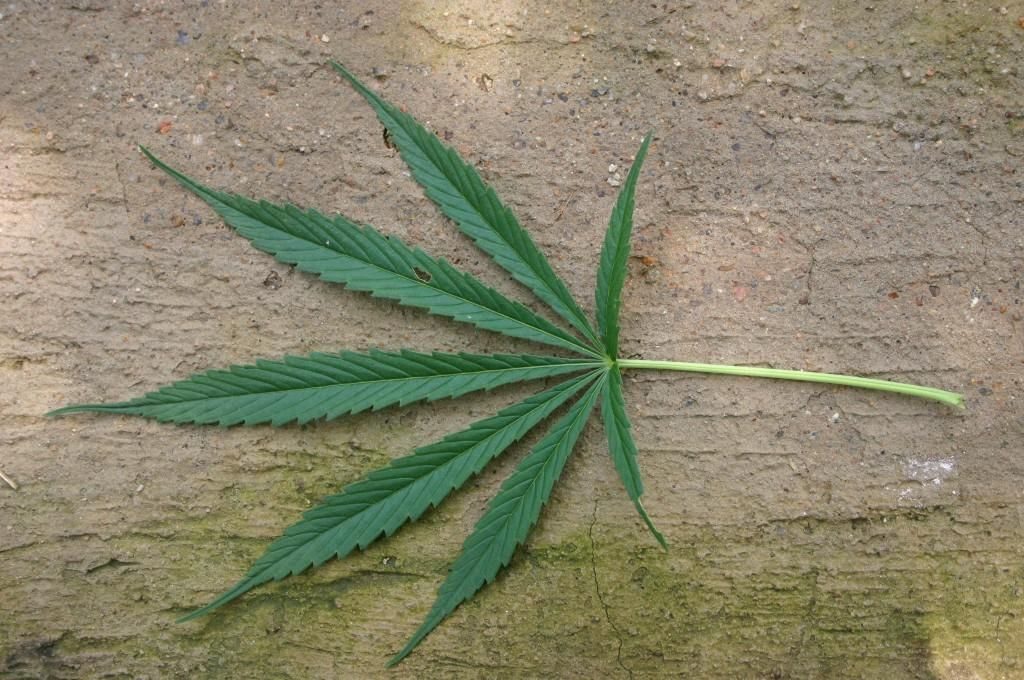
The brain's own cannabis-like signalling system: anandamide and 2-AG, CB1 and CB2 receptors, messages that travel backwards across synapses — and what THC and CBD actually do.
September 6, 2026 · 2 min read
 Brain Anatomy
Intermediate
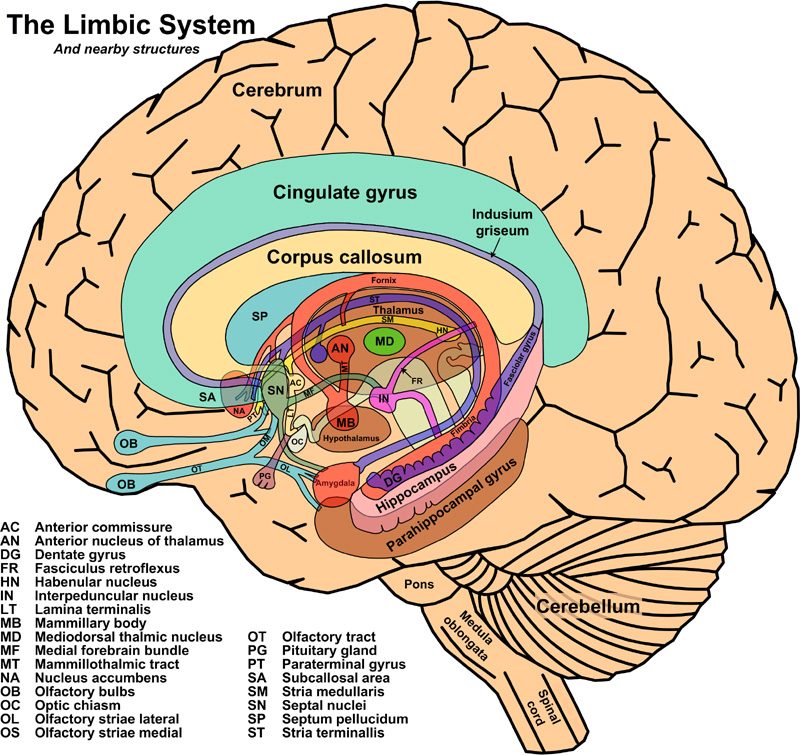
The Limbic System
The hippocampus, amygdala, cingulate cortex, hypothalamus and their connections: what the 'emotional brain' idea got right, and why many neuroscientists now treat the term with caution.
July 18, 2026 · 2 min read
 Brain Anatomy
Intermediate
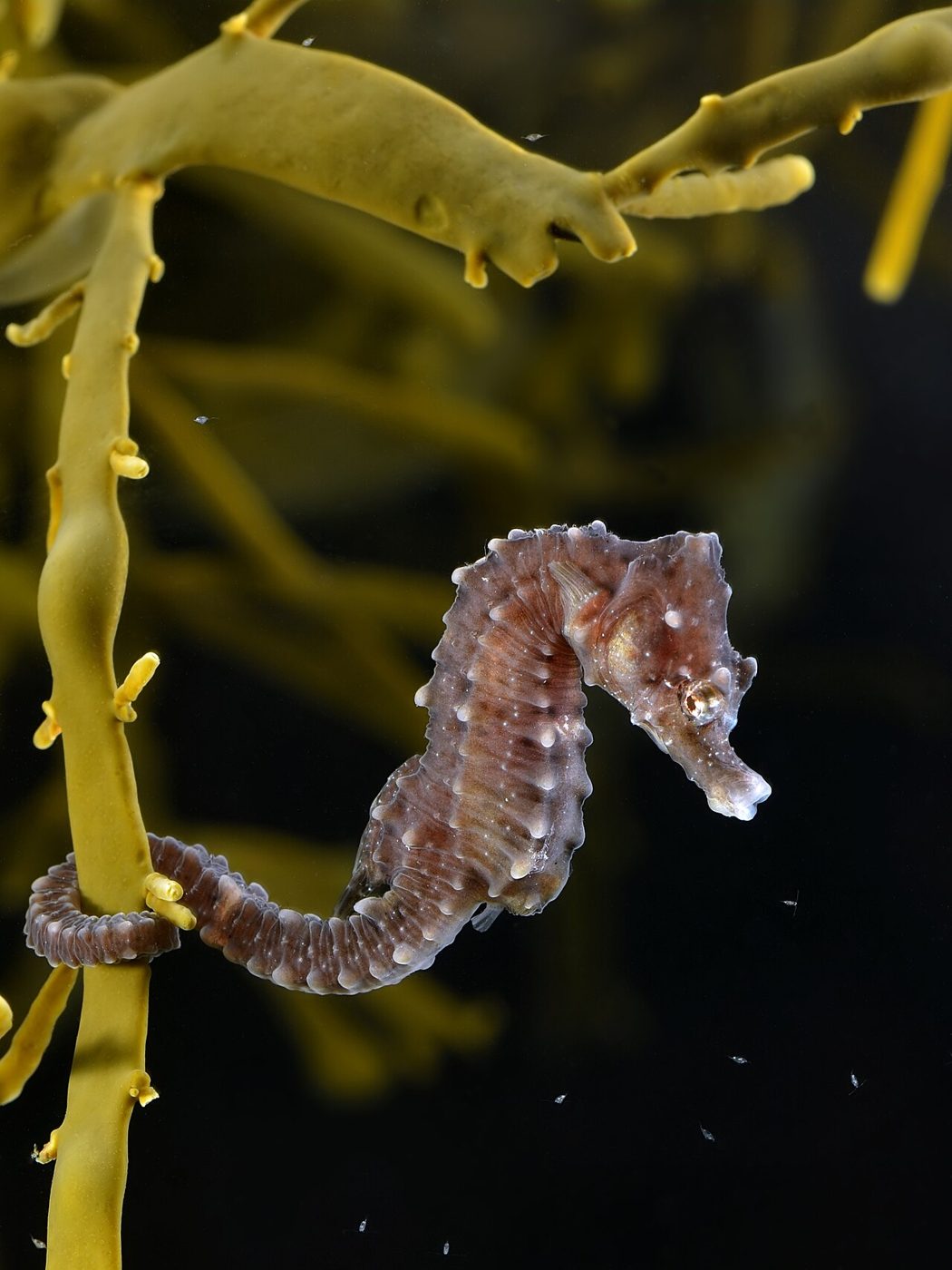
The Hippocampus
A seahorse-shaped structure deep in the temporal lobe that is essential for forming new memories and for finding your way — and one of the first places damaged in Alzheimer's disease.
April 16, 2026 · 2 min read
 Brain Anatomy
Intermediate
The Amygdala
An almond-sized cluster of nuclei that detects threats and other emotionally important events, drives fear learning, and tags memories with emotion.
September 12, 2026 · 2 min read
 Brain Anatomy
Intermediate
The Thalamus
The brain's central switchboard: a pair of egg-shaped structures that relay and gate almost every sensory signal on its way to the cortex, and help regulate sleep, attention and consciousness.
October 4, 2026 · 2 min read
 Brain Anatomy
Intermediate
The Hypothalamus and Pituitary
A region the size of an almond that keeps the body in balance — temperature, hunger, thirst, sleep, sex and stress — by commanding the autonomic nervous system and the pituitary gland.
May 26, 2026 · 2 min read
 Brain Anatomy
Intermediate
The Cerebellum
The 'little brain' at the back of the head holds most of the brain's neurons and fine-tunes movement, balance and timing — and turns out to help with thinking and emotion too.
January 4, 2026 · 2 min read
 Brain Anatomy
Intermediate
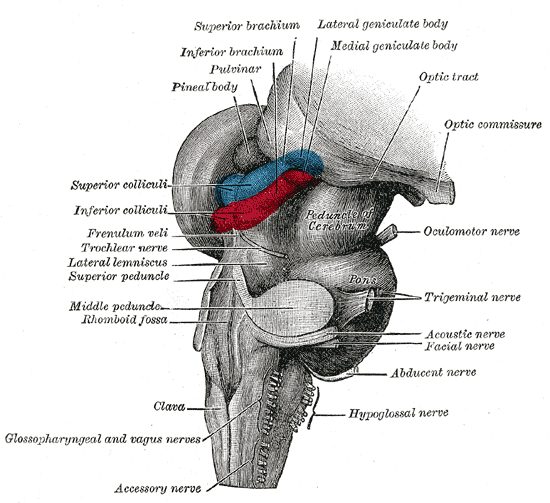
The Brainstem
Medulla, pons and midbrain: the compact stalk that keeps you breathing, keeps your heart beating, wakes you up and carries every message between brain and body.
June 3, 2026 · 2 min read
 Spinal Cord & Body Wiring
Intermediate
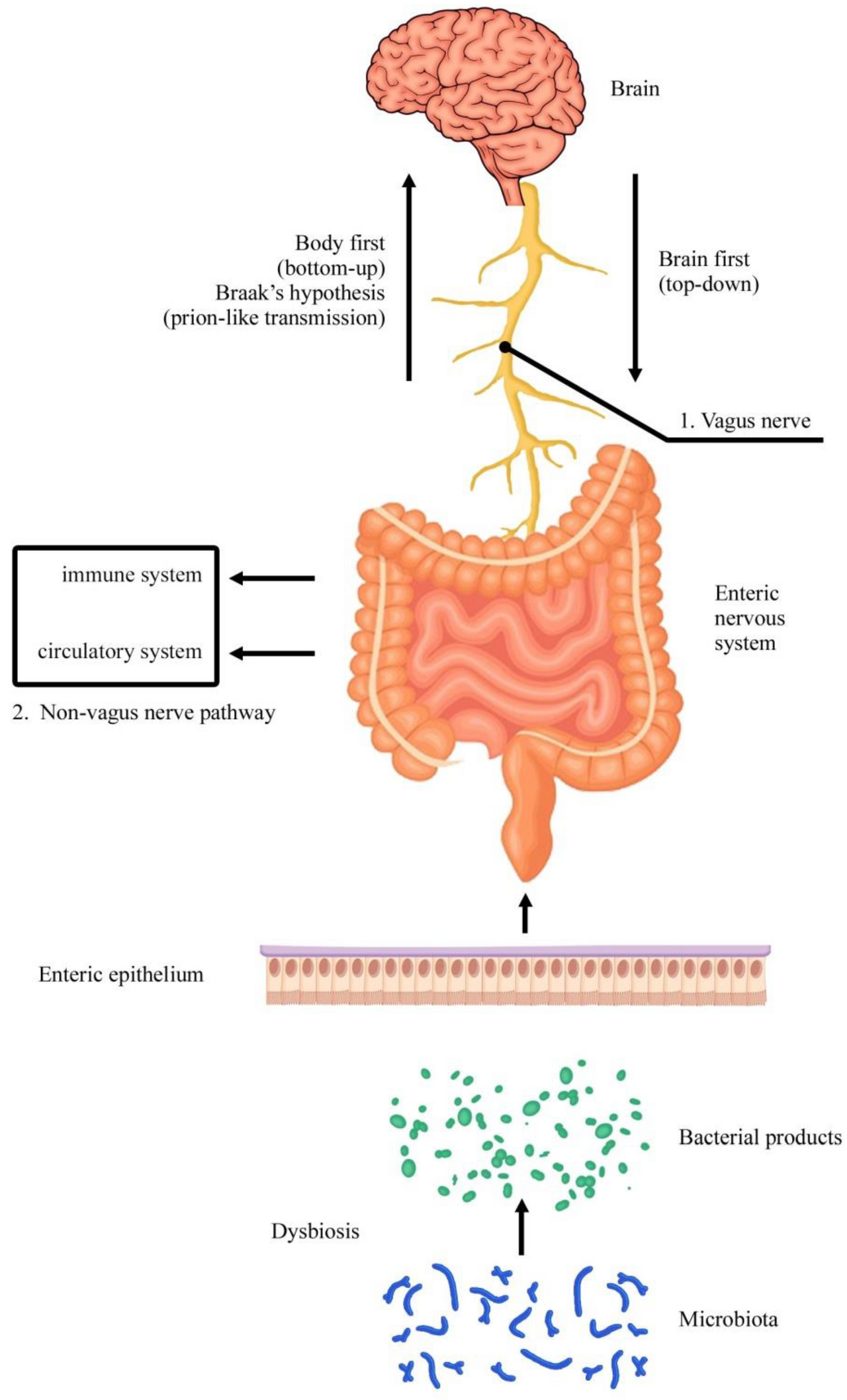
The Gut-Brain Axis
The 'second brain' of the enteric nervous system, the vagus nerve, gut hormones and the microbiome: what's known about two-way traffic between gut and brain — and what's still hype.
November 10, 2025 · 2 min read
 Spinal Cord & Body Wiring
Intermediate
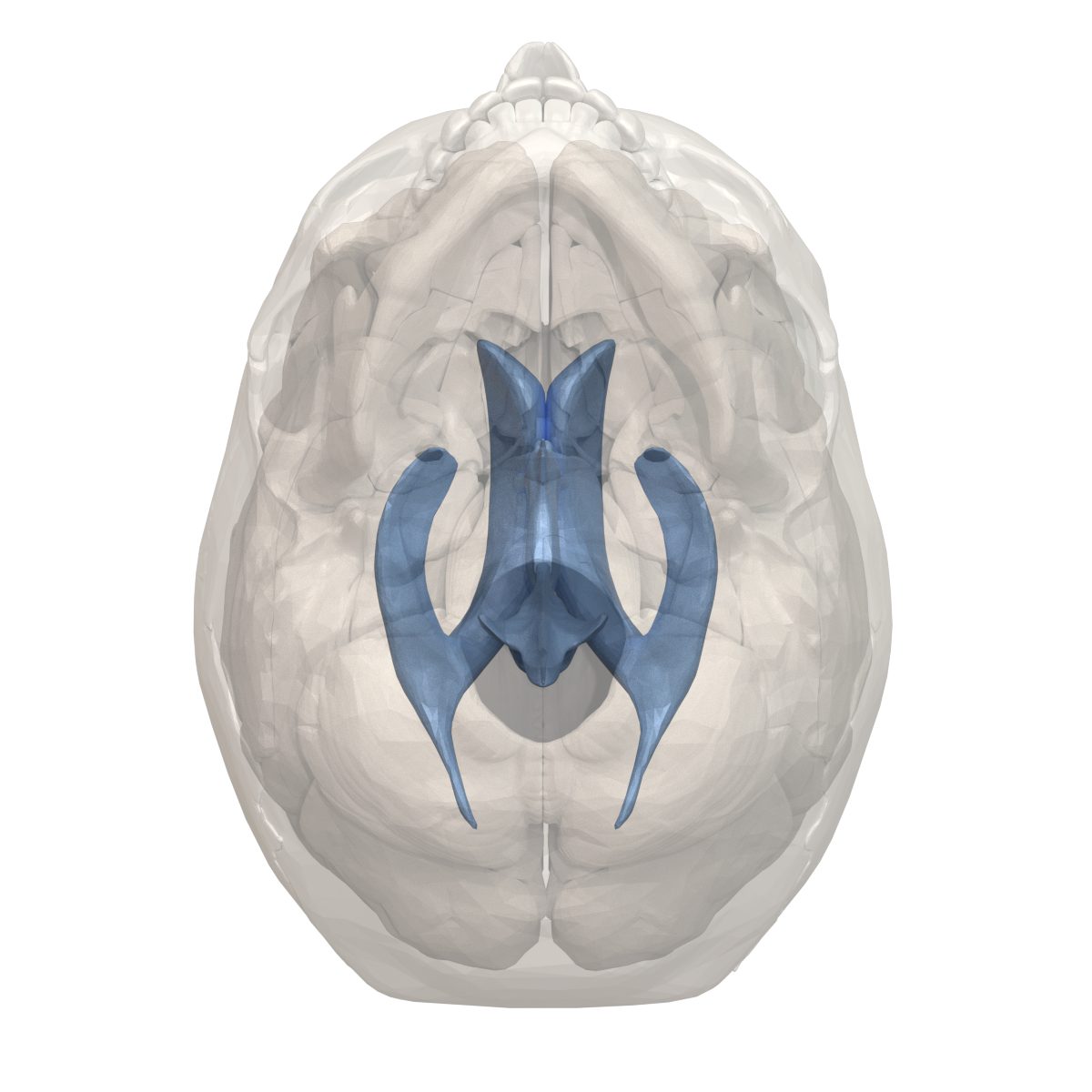
Cerebrospinal Fluid and the Ventricles
The clear fluid that cushions the brain and spinal cord: where it's made, how it circulates through four ventricles, what a lumbar puncture tells doctors, and what happens when it backs up.
May 28, 2026 · 3 min read
 Spinal Cord & Body Wiring
Intermediate
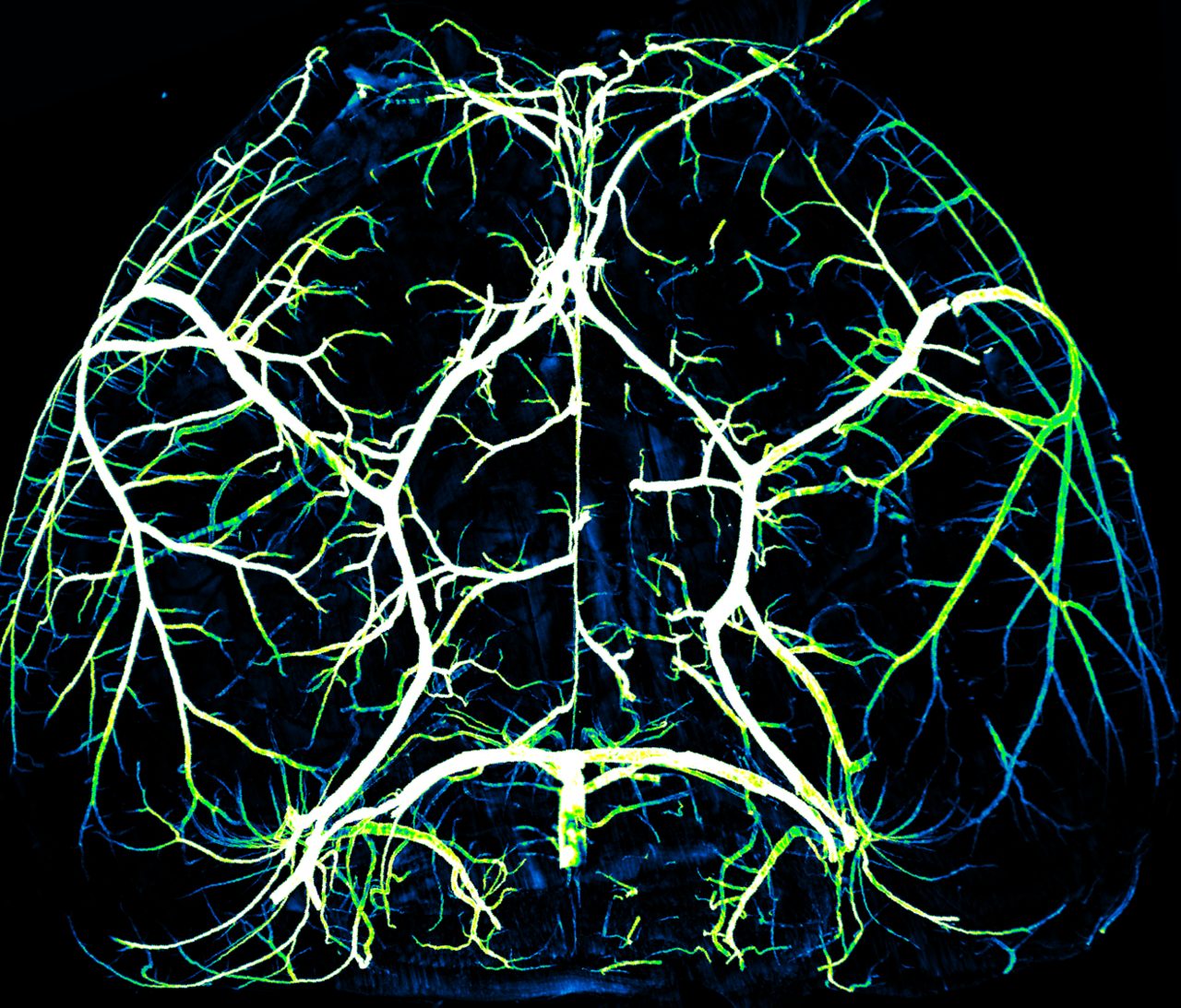
The Brain's Blood Supply
Four arteries, a safety ring called the circle of Willis, and an organ that can't store fuel: how the brain is fed, why blood flow follows activity, and what goes wrong in a stroke.
April 9, 2026 · 2 min read
 Spinal Cord & Body Wiring
Intermediate
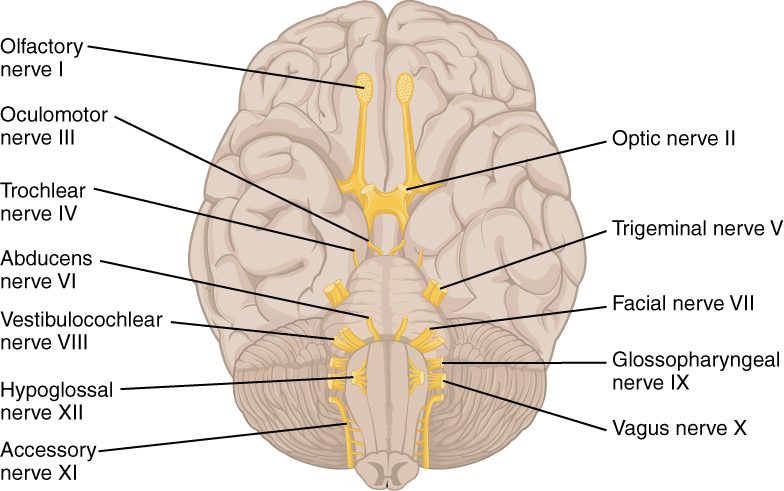
The Twelve Cranial Nerves
From smell to swallowing: the twelve pairs of nerves that leave the brain directly, what each one does, and how doctors test them at the bedside.
January 15, 2026 · 2 min read
 Development & Plasticity
Intermediate
Synaptic Pruning
The developing brain makes far more connections than it needs, then removes the unused ones. How 'use it or lose it' sculpts circuits through childhood and adolescence.
November 4, 2025 · 3 min read
 Development & Plasticity
Intermediate
Critical Periods: Windows of Opportunity
Imprinting ducklings, kittens with one eye covered, children learning languages and orphans in Romania: the evidence for sensitive windows when experience shapes the brain most powerfully.
May 13, 2026 · 3 min read
 Senses & Perception
Intermediate
Vision: From Eye to Brain
How light becomes sight: rods and cones in the retina, the blind spot, the optic chiasm, the thalamus, the primary visual cortex and the 'what' and 'where' streams.
February 28, 2026 · 3 min read
 Senses & Perception
Intermediate
Color Vision
Three kinds of cones, opponent channels, colour constancy and the dress: how the brain turns three signals into millions of colours — and why some people see colours differently.
March 17, 2026 · 3 min read
 Senses & Perception
Intermediate
Hearing
From air pressure waves to music and speech: the eardrum and ossicles, the cochlea's piano-keyboard of hair cells, sound localisation with microsecond precision, hearing loss and cochlear implants.
October 2, 2026 · 3 min read
 Senses & Perception
Intermediate
Pain and How the Brain Feels It
Nociceptors, fast and slow pain, the capsaicin receptor, the gate control theory, people who feel no pain, chronic pain and the power of placebo — why pain is an experience made by the brain.
November 19, 2025 · 3 min read
 Senses & Perception
Intermediate
Balance and Proprioception
The hidden senses: the vestibular system's spinning canals and gravity sensors, the reflex that keeps your vision steady, motion sickness, and the muscle sensors that tell you where your limbs are.
February 13, 2026 · 3 min read
 Senses & Perception
Intermediate
Interoception: Sensing Your Inner Body
Heartbeat, breathing, hunger, a full bladder: how the brain senses the state of the body from the inside, the role of the insula, and links to emotion, anxiety and wellbeing.
March 6, 2026 · 2 min read
 Movement & Motor Control
Intermediate
The Motor Cortex and the Homunculus
From Fritsch and Hitzig's dogs to Penfield's maps and modern brain-computer interfaces: how the motor cortex represents the body, and why the neat 'little man' is only part of the story.
March 23, 2026 · 3 min read
 Movement & Motor Control
Intermediate
Motor Learning: How We Learn Skills
From clumsy beginner to automatic expert: the stages of skill learning, the cerebellum's error correction, the basal ganglia's habits, the role of sleep — and what it means for practice.
March 19, 2026 · 2 min read
 Movement & Motor Control
Intermediate
Mirror Neurons: Fact and Hype
Neurons that fire both when a monkey acts and when it watches someone else act: a fascinating discovery from Parma, the grand claims made for it — empathy, language, autism — and what the evidence supports.
January 23, 2026 · 2 min read
 Learning, Memory & Thinking
Intermediate
Memory Consolidation and Sleep
How fragile new memories become stable: synaptic and systems consolidation, the hippocampus replaying the day during sleep, and the surprising discovery that recalled memories become changeable again.
October 31, 2025 · 3 min read
 Learning, Memory & Thinking
Intermediate
Attention
The cocktail party effect, the spotlight of attention, the brain networks that direct it, why multitasking fails, and how the brain decides what to ignore.
February 7, 2026 · 3 min read
 Learning, Memory & Thinking
Intermediate
Language and the Brain
From Broca and Wernicke to modern networks: how the brain produces and understands speech, reading, sign language and multiple languages — and what aphasia, dyslexia and FOXP2 reveal.
July 13, 2026 · 3 min read
 Learning, Memory & Thinking
Intermediate
Decision-Making and the Brain
How the brain weighs options: value signals in the orbitofrontal cortex, dopamine-driven learning, emotions as guides (Damasio's somatic markers), and the shortcuts and biases studied by behavioural economics.
August 18, 2026 · 3 min read
 Learning, Memory & Thinking
Intermediate
Executive Function and the Prefrontal Cortex
The brain's management system: inhibition, working memory and cognitive flexibility, how they're measured, how they develop, and what happens when the prefrontal cortex is damaged.
December 31, 2025 · 2 min read
 Learning, Memory & Thinking
Intermediate
Intelligence and the Brain
What IQ tests measure, the 'g' factor, how brain size and networks relate to intelligence, genes and environment, the Flynn effect — and the myth of Einstein's extraordinary brain.
September 4, 2026 · 3 min read
 Emotion, Motivation & the Social Brain
Intermediate
Fear and Anxiety Circuits
How the brain detects threat, learns fear and unlearns it: the amygdala, the fast and slow roads, fear conditioning and extinction, the prefrontal brake, and how anxiety differs from fear.
June 14, 2026 · 3 min read
 Emotion, Motivation & the Social Brain
Intermediate
The Social Brain
Reading faces, understanding other minds, belonging and exclusion: the brain networks for social life, the social brain hypothesis, and why loneliness matters for health.
February 18, 2026 · 3 min read
 Emotion, Motivation & the Social Brain
Intermediate
Hunger, Thirst and Appetite
How the hypothalamus balances energy and water: leptin and ghrelin, the AgRP and POMC neurons, thirst sensors, reward-driven eating, and how GLP-1 drugs act on the brain.
December 20, 2025 · 3 min read
 Sleep & Consciousness
Intermediate
What Is Consciousness?
The 'hard problem', the search for neural correlates of consciousness, blindsight and split brains, and the difference between being conscious and being conscious of something.
June 10, 2026 · 3 min read
 Sleep & Consciousness
Intermediate
Anaesthesia, Coma and Disorders of Consciousness
From the first public ether operation in 1846 to modern intensive care: how anaesthesia switches consciousness off, and how doctors distinguish coma, vegetative state, minimally conscious state, locked-in syndrome and brain death.
April 24, 2026 · 3 min read
 Sleep & Consciousness
Intermediate
Free Will and the Brain
Libet's famous experiment, the readiness potential, brain scans that predict choices seconds early, newer reinterpretations — and what neuroscience can and can't say about free will.
September 8, 2026 · 3 min read
 Neurological Disorders
Intermediate
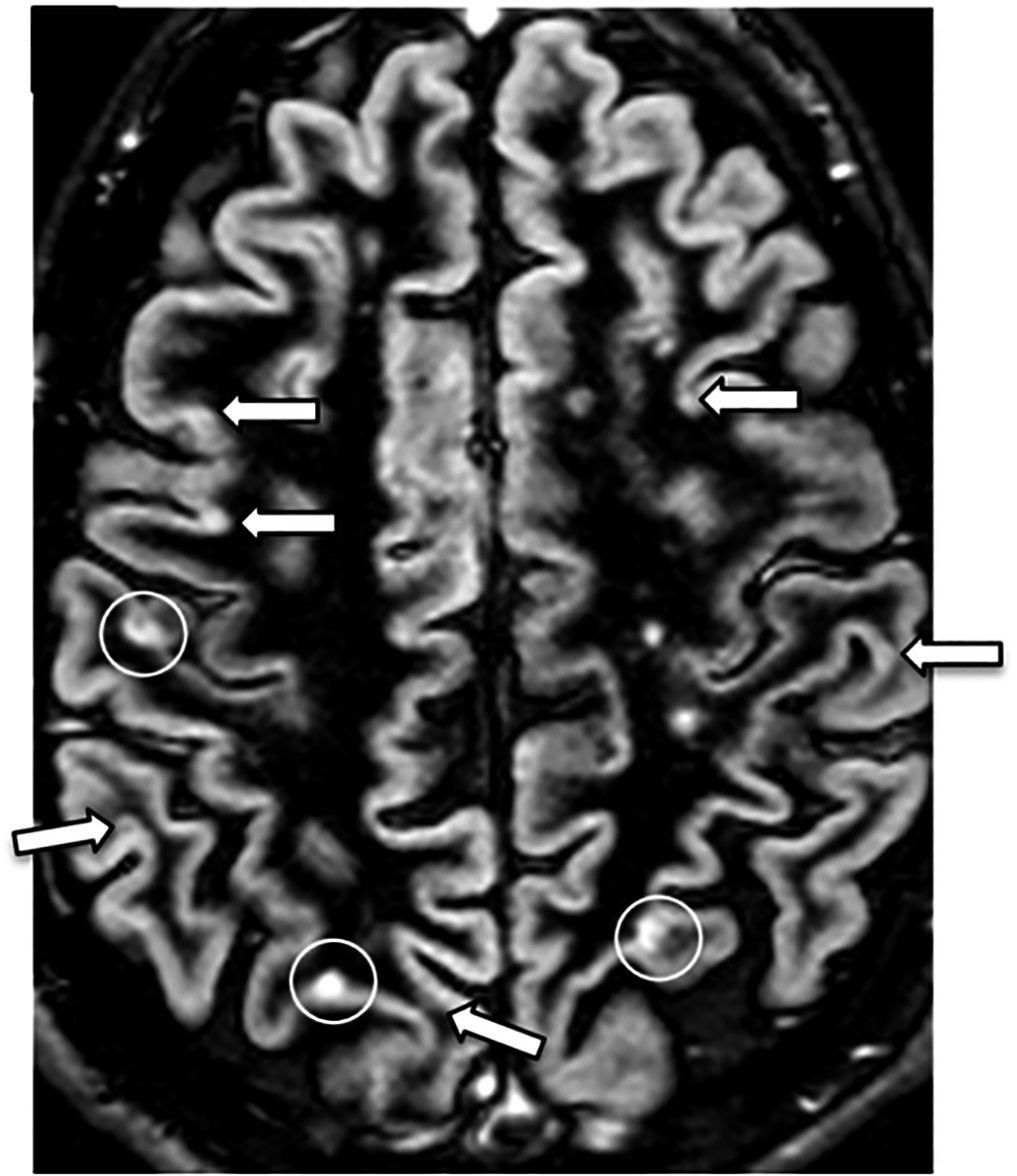
Multiple Sclerosis
An autoimmune disease that strips myelin from nerve fibres in the brain and spinal cord: symptoms, the relapsing and progressive forms, the strong link with Epstein-Barr virus, diagnosis and modern treatments.
March 9, 2026 · 3 min read
 Neurological Disorders
Intermediate
Amyotrophic Lateral Sclerosis (ALS)
The disease that kills motor neurons in the brain and spinal cord: symptoms, genetics (SOD1, C9orf72, TDP-43), Lou Gehrig and Stephen Hawking, the Ice Bucket Challenge, and the first gene-targeted treatment.
December 25, 2025 · 3 min read
 Neurological Disorders
Intermediate
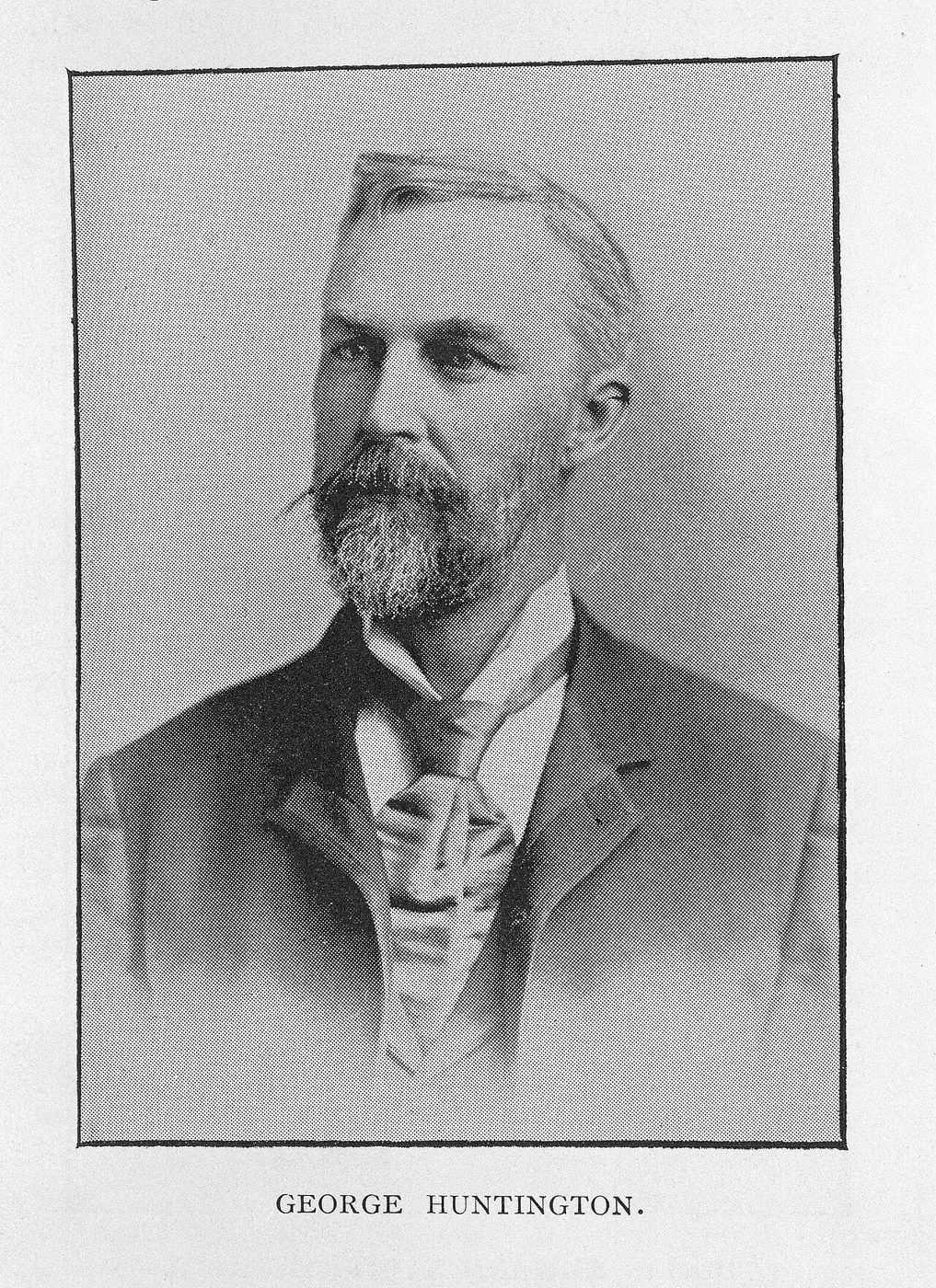
Huntington's Disease
An inherited disease caused by a repeated stretch of DNA in one gene: involuntary movements, psychiatric and cognitive changes, the Venezuelan families who helped find the gene, genetic testing dilemmas and the hunt for treatments.
May 9, 2026 · 3 min read
 Neurological Disorders
Intermediate
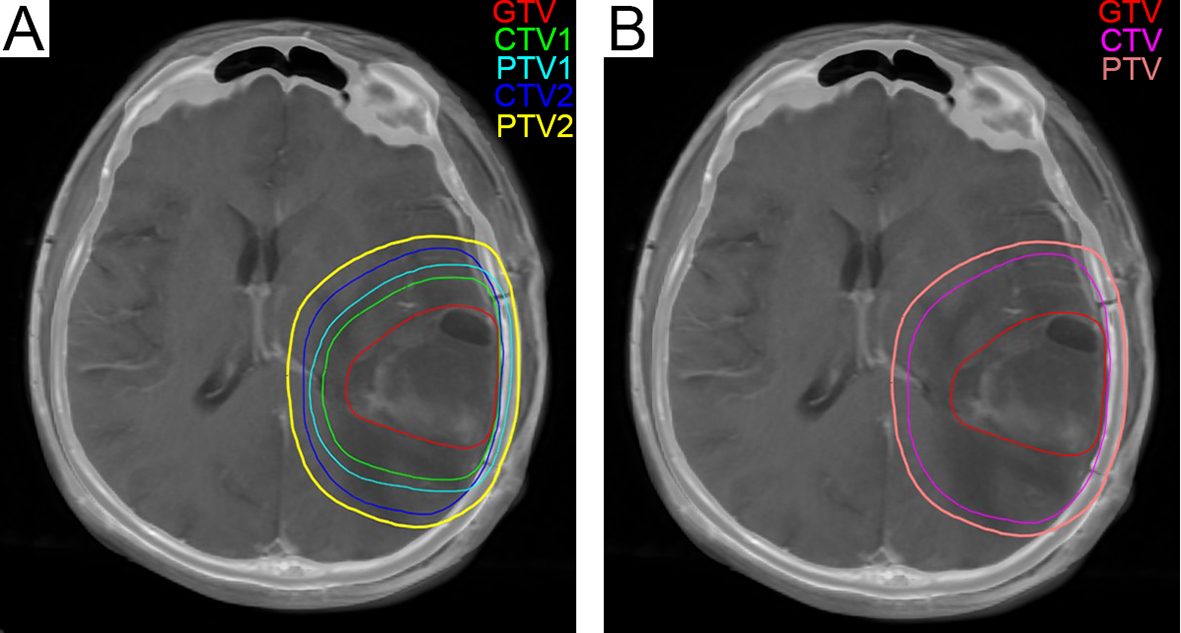
Brain Tumours
Primary versus secondary tumours, gliomas, meningiomas and glioblastoma, symptoms, the molecular revolution in classification, and treatment with surgery, radiotherapy and chemotherapy.
February 1, 2026 · 3 min read
 Mental Health & Neurodevelopment
Intermediate
Schizophrenia
Hallucinations, delusions, negative and cognitive symptoms; the dopamine and glutamate hypotheses, genetic and developmental risk, early intervention, and the first new class of antipsychotic in decades.
February 14, 2026 · 3 min read
 Mental Health & Neurodevelopment
Intermediate
Bipolar Disorder
Episodes of mania and depression: types of bipolar disorder, what's known about its biology, the story of lithium, and the role of sleep and body clocks.
March 26, 2026 · 3 min read
 Mental Health & Neurodevelopment
Intermediate
Addiction
How drugs and behaviours hijack reward, learning and self-control circuits; tolerance and withdrawal; the brain-disease model and its critics; Rat Park; and effective treatments for opioid, alcohol and nicotine addiction.
November 12, 2025 · 3 min read
 Mental Health & Neurodevelopment
Intermediate
PTSD
Post-traumatic stress disorder: from 'shell shock' to modern diagnosis, intrusive memories and hypervigilance, fear circuits that fail to switch off, and trauma-focused therapies that work.
March 30, 2026 · 2 min read
 Mental Health & Neurodevelopment
Intermediate
Obsessive-Compulsive Disorder (OCD)
Far more than tidiness: intrusive obsessions, compulsions that relieve anxiety but feed the cycle, the cortico-striatal-thalamic loop, and treatment with exposure and response prevention, SSRIs and brain stimulation.
September 30, 2026 · 3 min read
 Tools & Methods
Intermediate
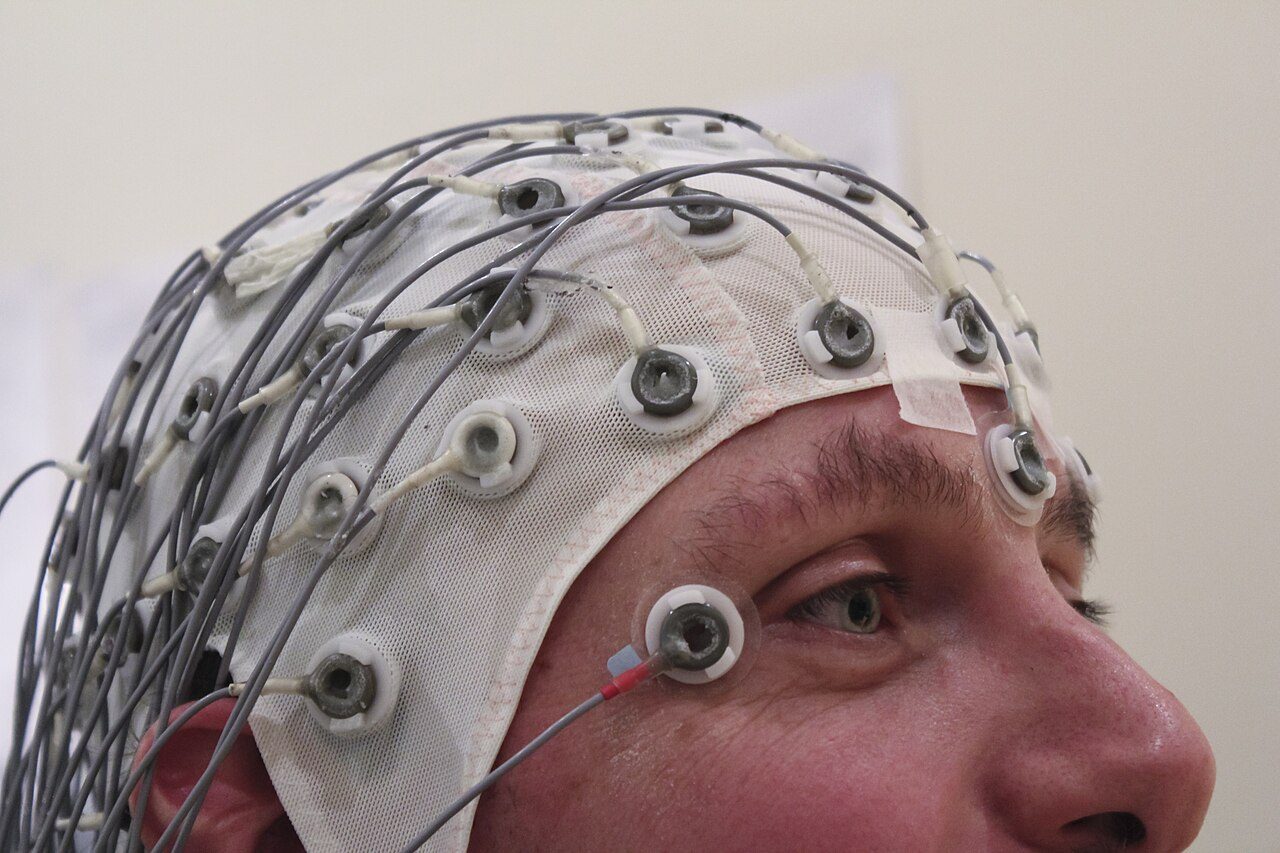
EEG and MEG
Recording the brain's electrical rhythms through the scalp, from Hans Berger's alpha waves in the 1920s to event-related potentials, sleep studies, epilepsy diagnosis and wearable magnetoencephalography.
August 6, 2026 · 3 min read
 Tools & Methods
Intermediate
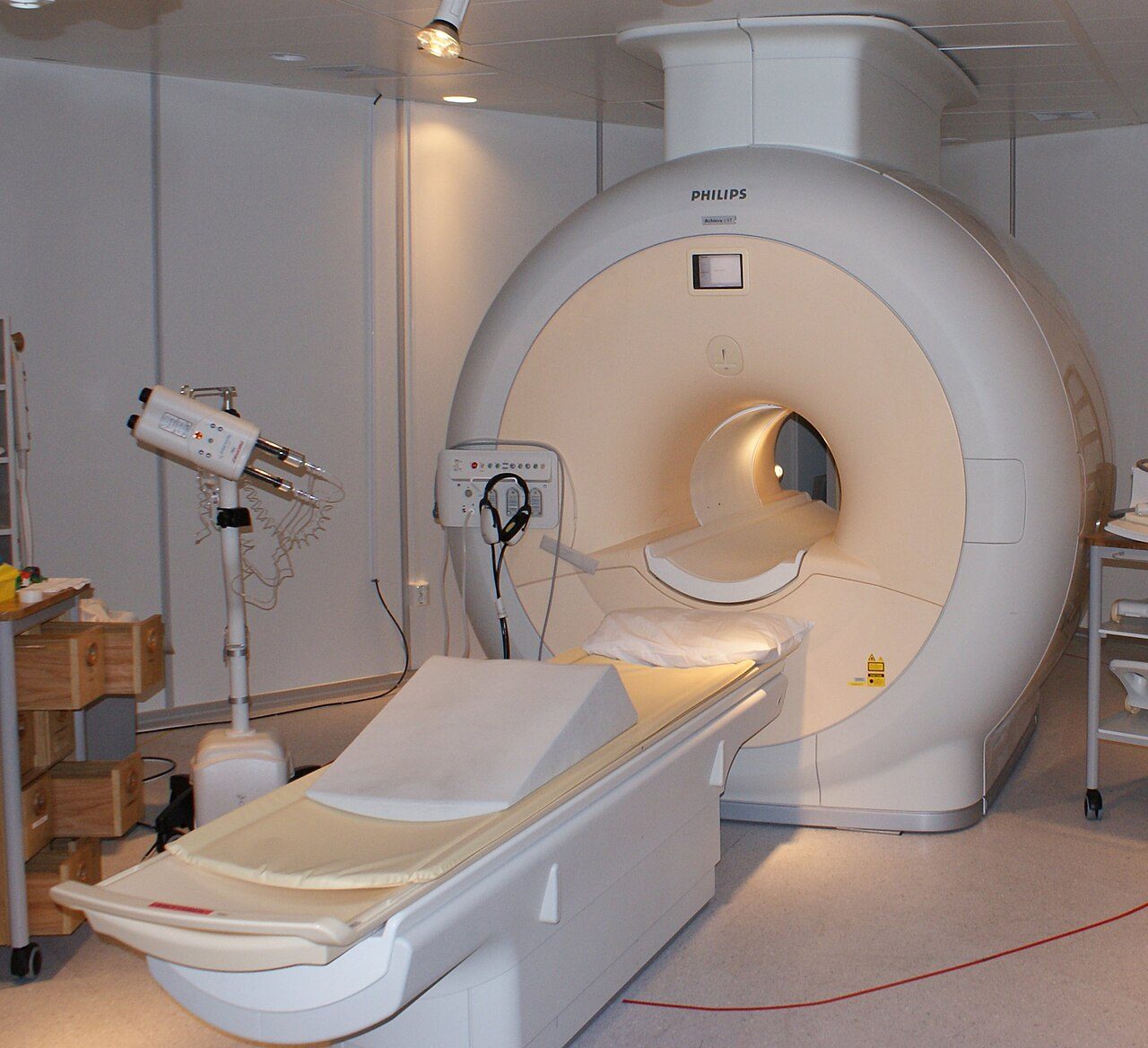
MRI and fMRI
How magnets, radio waves and hydrogen atoms produce detailed brain images; how functional MRI tracks activity through blood oxygen; diffusion imaging of white matter; and the famous dead salmon that taught a statistical lesson.
June 20, 2026 · 3 min read
 Tools & Methods
Intermediate
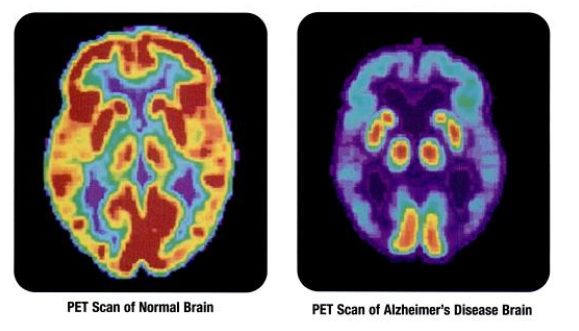
PET and SPECT
Imaging the brain's chemistry with radioactive tracers: glucose metabolism, dopamine and serotonin systems, amyloid and tau in Alzheimer's disease, and the trade-offs of nuclear imaging.
December 27, 2025 · 2 min read
 Tools & Methods
Intermediate
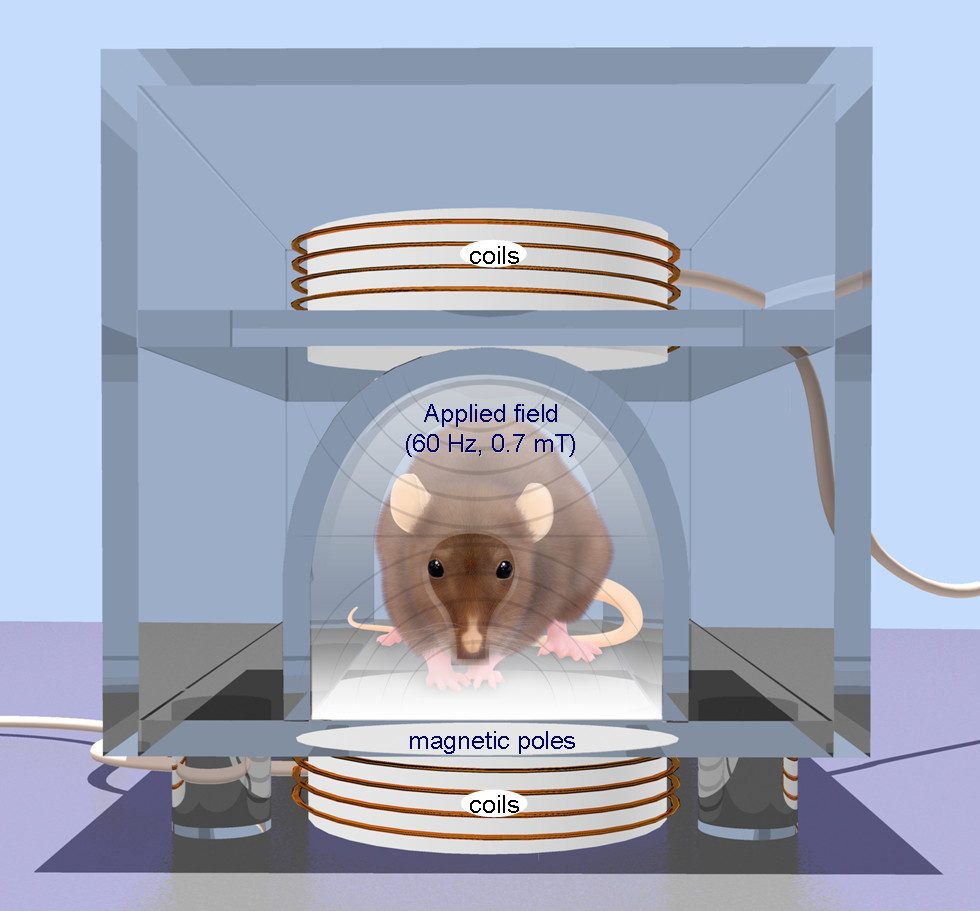
Brain Stimulation: TMS, tDCS and ECT
Changing brain activity from outside the skull: transcranial magnetic stimulation for research and depression, weak electrical currents (tDCS) and their hype, and the history and modern reality of electroconvulsive therapy.
August 10, 2026 · 3 min read
 Tools & Methods
Intermediate
Microscopy, Staining and Tissue Clearing
From Nissl and Golgi stains to electron microscopy, confocal and two-photon imaging, rainbow-coloured Brainbow mice, see-through brains with CLARITY, and expansion microscopy that physically enlarges tissue.
July 30, 2026 · 2 min read
 Tools & Methods
Intermediate
Animal Models in Neuroscience
Why neuroscience studies worms, flies, fish, mice, rats, songbirds and monkeys; what each species offers; the limits of translating animal findings to humans; brain organoids; and the ethics of the 3Rs.
December 8, 2025 · 3 min read
 Computational Neuroscience & AI
Intermediate
Computational Neuroscience
Using mathematics and computer models to understand how the brain computes: from Hodgkin–Huxley and McCulloch–Pitts to Hopfield networks, reinforcement learning and large-scale simulations.
June 1, 2026 · 3 min read
 Computational Neuroscience & AI
Intermediate
Brain Networks and the Default Mode
The brain as a network: small-world wiring, hubs and the rich club, large-scale networks such as the default mode, salience and control networks, and what network science reveals about health and disease.
June 29, 2026 · 2 min read
 Computational Neuroscience & AI
Intermediate
Neuromorphic Computing
Chips that compute like brains: spiking neurons, event-driven processing and in-memory computation — from Carver Mead's 1980s vision to TrueNorth, Loihi, SpiNNaker and event cameras.
March 24, 2026 · 2 min read
 Treatments & Therapies
Intermediate
How Brain Drugs Work
Agonists, antagonists, reuptake inhibitors and enzyme blockers: the basic ways medicines and recreational drugs change brain signalling — plus the blood-brain barrier problem and the surprising role of serendipity.
January 2, 2026 · 3 min read
 Treatments & Therapies
Intermediate
Antidepressants and Psychiatric Medication
The main classes of psychiatric medication — antidepressants, antipsychotics, mood stabilisers, anxiolytics and stimulants — how they work, how well they work, side effects, and practical facts patients should know.
January 30, 2026 · 3 min read
 Treatments & Therapies
Intermediate
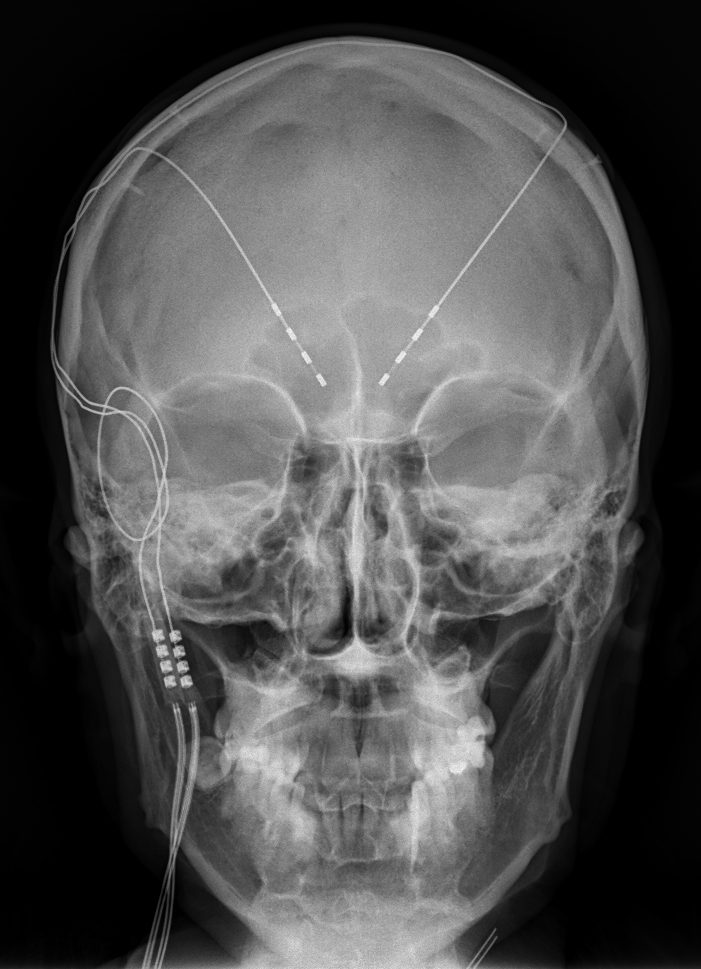
Deep Brain Stimulation
A 'pacemaker for the brain': implanted electrodes delivering continuous pulses to deep structures to treat Parkinson's disease, tremor, dystonia, epilepsy and OCD — how it was discovered, how it might work, and the new adaptive systems.
August 16, 2026 · 3 min read
 Treatments & Therapies
Intermediate
Psychedelic Research
From Albert Hofmann's bicycle ride in 1943 through prohibition to today's clinical trials: how psilocybin, LSD and MDMA act on the brain, what the evidence for treating depression and PTSD shows, and the risks.
March 28, 2026 · 3 min read
 Everyday Brain, Ethics & the Future
Intermediate
Neuroethics
The ethics of knowing and changing brains: neural data privacy and 'neurorights', cognitive enhancement, incidental findings, consent and identity in brain implants, brain death, and the moral status of brain organoids.
August 8, 2026 · 3 min read
 Everyday Brain, Ethics & the Future
Intermediate
Neuroscience and the Law
Brain scans in the courtroom, fMRI lie detection, the teenage brain in Supreme Court decisions, tumours and responsibility, eyewitness memory — and the limits of using group-level brain science to judge individuals.
September 25, 2026 · 3 min read
3
19 entries
Advanced
The detailed machinery — ions, receptors, circuits and methods. Read the linked concepts first.
 History of Neuroscience
Advanced
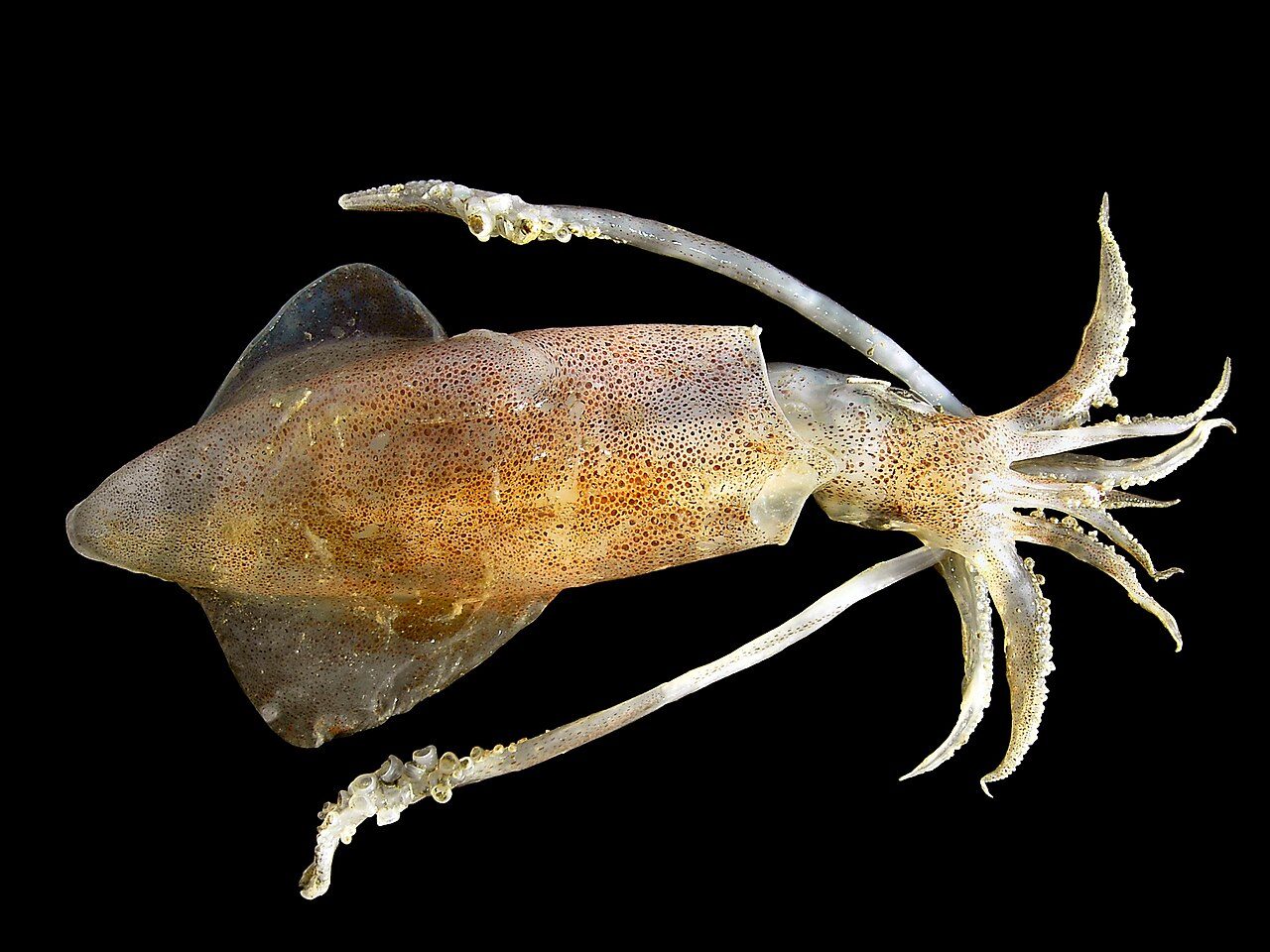
Hodgkin, Huxley and the Squid Giant Axon
Using a nerve fibre half a millimetre wide and a clever circuit called the voltage clamp, Alan Hodgkin and Andrew Huxley worked out exactly how the action potential is made — and wrote it down as equations still used today.
May 19, 2026 · 3 min read
 Neural Signaling
Advanced
The Resting Membrane Potential
Why a neuron sits at about −70 millivolts: unequal ion concentrations, a membrane leaky mainly to potassium, the sodium-potassium pump, and the equations — Nernst and Goldman — that describe them.
July 15, 2026 · 3 min read
 Neural Signaling
Advanced
Neurotransmitter Release: Vesicles, Calcium and SNAREs
The molecular machinery of the presynaptic terminal: quantal release, calcium triggering, the SNARE proteins that zip vesicles to the membrane, and the toxins — botulinum and tetanus — that cut them.
April 5, 2026 · 3 min read
 Neural Signaling
Advanced
Receptors: Ionotropic and Metabotropic
The two great families of neurotransmitter receptor: fast ion-channel receptors that open in a millisecond, and slower G-protein-coupled receptors that trigger chemical cascades — and why the same transmitter can do opposite things.
March 13, 2026 · 3 min read
 Neural Signaling
Advanced
Synaptic Integration: How Neurons Add Up Their Inputs
EPSPs and IPSPs, temporal and spatial summation, shunting inhibition and dendritic spikes: how a single neuron combines thousands of inputs into one decision.
September 23, 2026 · 3 min read
 Brain Anatomy
Advanced
The Basal Ganglia
A set of deep nuclei — striatum, globus pallidus, subthalamic nucleus and substantia nigra — that select actions, form habits and learn from reward, through 'go' and 'no-go' pathways.
March 21, 2026 · 3 min read
 Spinal Cord & Body Wiring
Advanced
The Glymphatic System: Does the Brain Wash Itself at Night?
A 2012 discovery proposed that cerebrospinal fluid flushes through brain tissue along blood vessels — especially during sleep — to clear waste like amyloid. What the evidence shows, and why the idea is now hotly debated.
March 4, 2026 · 3 min read
 Development & Plasticity
Advanced
Neurogenesis and Neural Migration
How progenitor cells in the developing brain divide to make neurons, how the cortex is built inside-out along radial glia, and what happens when migration goes wrong.
December 18, 2025 · 2 min read
 Development & Plasticity
Advanced
Axon Guidance: How Neurons Find Their Partners
Growth cones, attractive and repulsive cues, Sperry's chemoaffinity hypothesis, and the molecules — netrins, slits, semaphorins, ephrins — that wire the developing brain.
April 7, 2026 · 2 min read
 Development & Plasticity
Advanced
Adult Neurogenesis: Do We Grow New Neurons?
For a century, textbooks said adults never make new brain cells. Then rodents, songbirds and radiocarbon from nuclear tests suggested otherwise — and the human question is still fiercely debated.
December 10, 2025 · 3 min read
 Learning, Memory & Thinking
Advanced
How Memories Are Made: LTP and Engrams
Long-term potentiation, NMDA receptors, AMPA receptor insertion, protein synthesis and memory engrams: the cellular and molecular basis of learning — and how scientists have reactivated specific memories with light.
July 7, 2026 · 3 min read
 Learning, Memory & Thinking
Advanced
Place Cells, Grid Cells and Navigation
The brain's positioning system in detail: place cells, grid cells, head-direction cells, border and speed cells, theta rhythm and phase precession — and how navigation circuits may support memory and abstract thought.
July 3, 2026 · 3 min read
 Sleep & Consciousness
Advanced
Theories of Consciousness
Global workspace theory, integrated information theory, higher-order theories, recurrent processing and predictive processing — what each claims, how they differ, and the adversarial collaborations testing them.
August 3, 2026 · 3 min read
 Tools & Methods
Advanced
Recording Single Neurons and the Patch Clamp
From Adrian's single nerve fibres to microelectrodes in behaving animals, the patch clamp that captured single ion channels, Neuropixels probes recording thousands of cells, and calcium imaging with glowing proteins.
July 20, 2026 · 2 min read
 Tools & Methods
Advanced
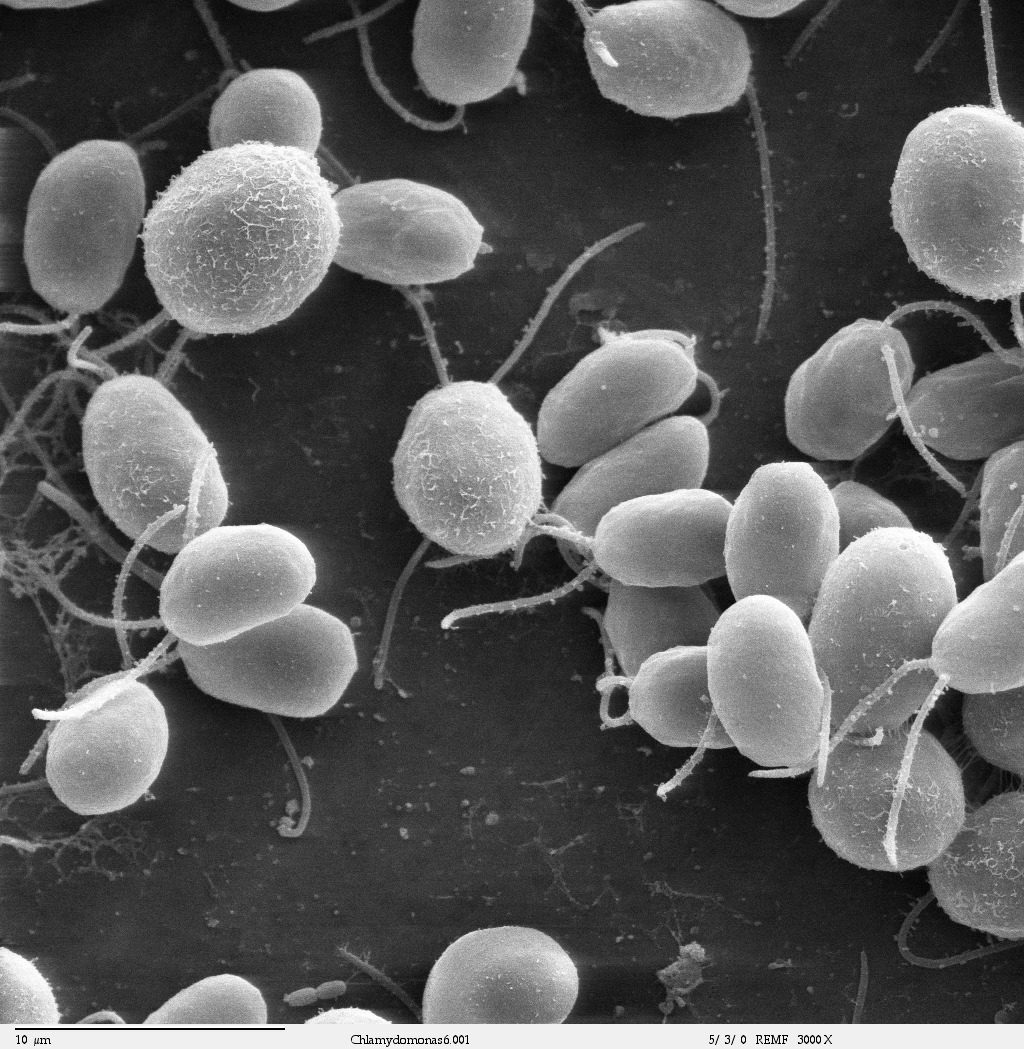
Optogenetics: Controlling Neurons with Light
Borrowing light-sensitive proteins from algae to switch specific neurons on and off in milliseconds: how optogenetics works, what it has revealed, chemogenetics, and its first steps toward human therapy.
March 11, 2026 · 2 min read
 Tools & Methods
Advanced
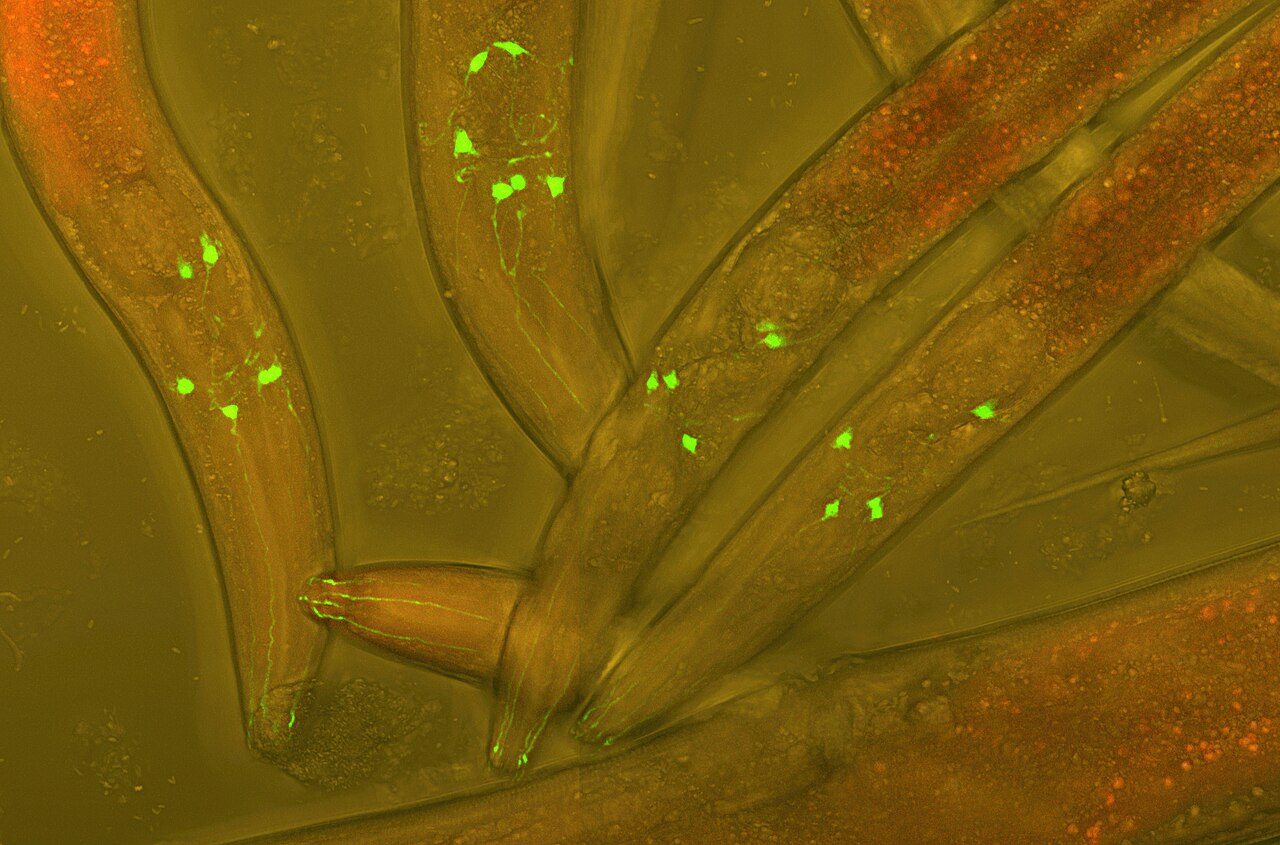
Connectomics: Mapping Every Connection
From the 302-neuron worm in 1986 to a complete fruit-fly brain in 2024, a cubic millimetre of human cortex and mouse visual cortex in 2025: how scientists map neural wiring synapse by synapse, and what the maps reveal.
November 13, 2025 · 3 min read
 Computational Neuroscience & AI
Advanced
Neural Coding: How Neurons Represent Information
Rate codes and timing codes, population vectors, sparse coding and 'concept cells' that respond to Jennifer Aniston: how patterns of spikes carry information about the world and our actions.
April 3, 2026 · 3 min read
 Computational Neuroscience & AI
Advanced
The Predictive Brain
Predictive processing, the Bayesian brain and the free-energy principle: the influential idea that the brain constantly predicts its inputs and learns from prediction errors — and what it explains about perception, action and mental illness.
May 1, 2026 · 2 min read
 Treatments & Therapies
Advanced
Gene and Cell Therapies for the Brain
Antisense drugs and AAV gene therapy for spinal muscular atrophy, ALS and rare disorders; stem-cell-derived dopamine neurons for Parkinson's; and the challenges of getting genetic medicines into the nervous system.
September 15, 2026 · 3 min read